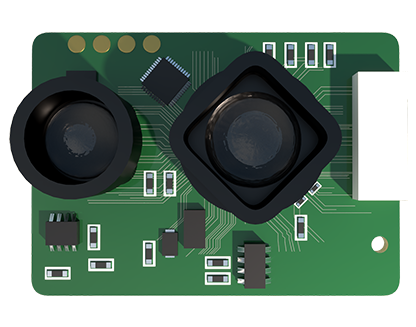
In the realm of industrial automation, process control, and robotics, precise distance measurement is a fundamental requirement. Among the plethora of sensing technologies available, Laser Time-of-Flight (ToF) sensors have emerged as a premier solution for applications demanding high accuracy, long range, and rapid response. This article delves into the operational principles, key advantages, diverse applications, and critical selection criteria for these sophisticated devices.
At its core, a Laser Time-of-Flight sensor measures distance by calculating the time it takes for a laser pulse to travel to a target object and back to the sensor. The sensor emits a short, focused pulse of infrared laser light. A high-speed receiver detects the reflected light. An internal precision clock measures the elapsed time between emission and reception. Since the speed of light (c) is a known constant (approximately 3×10^8 m/s), the distance (d) to the target can be calculated using the simple formula: d = (c × t) / 2, where t is the measured time of flight. This direct time measurement makes ToF sensors inherently stable and less susceptible to errors caused by target color, reflectivity, or ambient light variations compared to triangulation-based sensors.
The advantages of Laser ToF sensors are substantial. They offer exceptional measurement ranges, from a few centimeters up to several hundred meters, depending on the model and laser class. Their measurement speed is extremely high, often in the kilohertz range, enabling real-time monitoring of fast-moving objects. They provide excellent accuracy, typically within millimeters, even at longer distances. Furthermore, their operation is largely independent of the target's surface properties, although extremely dark or absorbent materials may reduce the maximum effective range. The collimated laser beam allows for precise spot measurement, minimizing interference from background objects.
These capabilities unlock a wide array of applications across industries. In logistics and warehousing, they are used for pallet profiling, container filling level control, and automated guided vehicle (AGV) navigation. In the automotive sector, they facilitate robot guidance in assembly lines and vehicle dimensioning. In construction, they enable leveling, volume measurement, and crane anti-collision systems. Process industries utilize them for monitoring bulk solid levels in silos or controlling roll diameters in paper and metal production. Emerging fields like drones and autonomous mobile robots rely on ToF sensors for obstacle detection and terrain mapping.
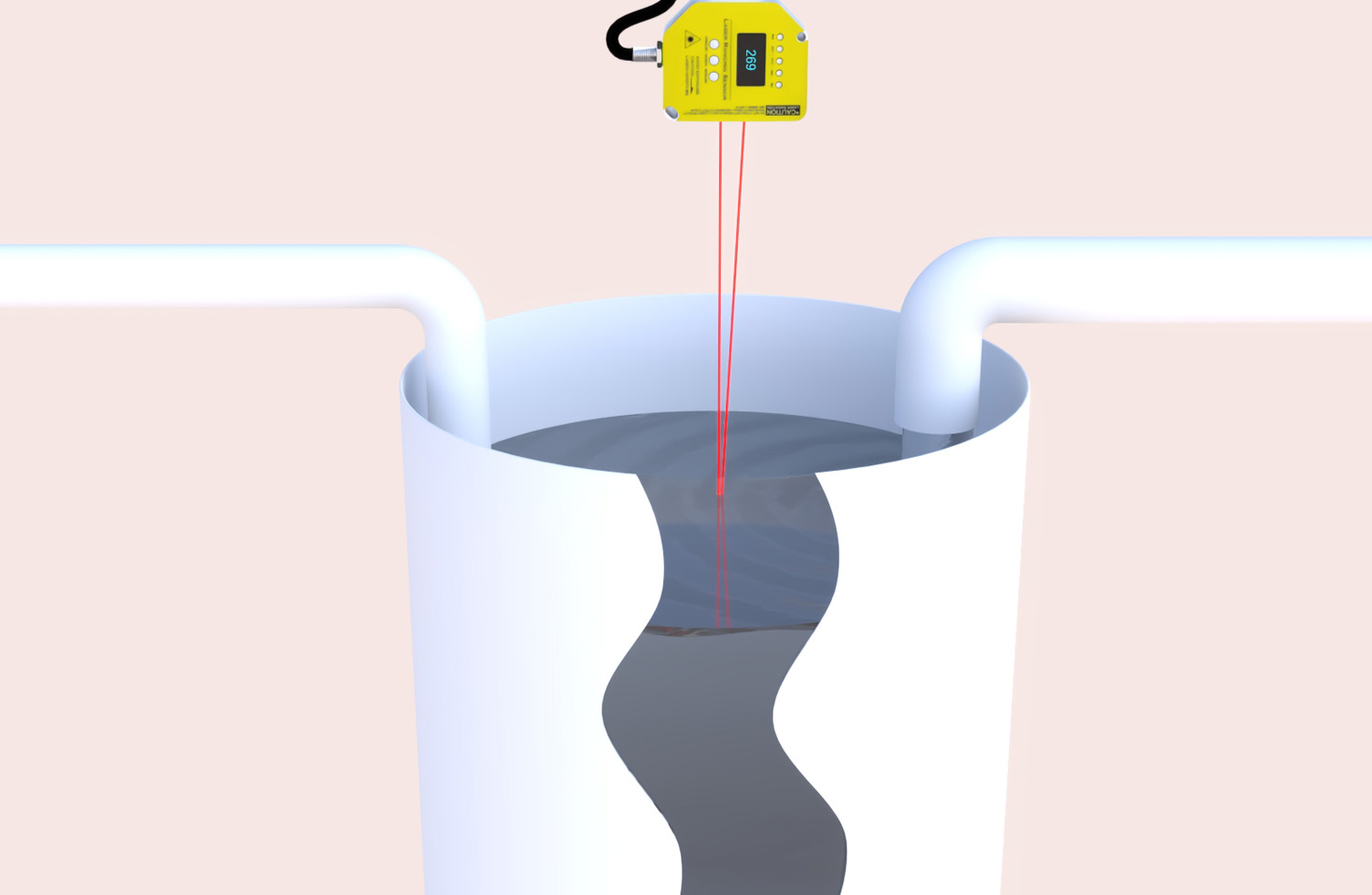
Selecting the right Laser ToF sensor requires careful consideration of several parameters. First, define the required measuring range and resolution. Ensure the sensor's specified range exceeds your maximum measurement distance with a safety margin. Consider the required accuracy and repeatability under your specific conditions. The response time or measurement frequency must match the dynamics of your application. The laser class (typically Class 1 or Class 2) is crucial for safety; Class 1 lasers are eye-safe under all conditions, which is vital for applications with potential human exposure. Environmental factors like temperature, dust, moisture, and vibration dictate the necessary ingress protection (IP) rating and housing robustness. Finally, evaluate the output interface (analog 4-20mA/0-10V, digital RS-485, IO-Link, Ethernet/IP, PROFINET) for seamless integration with your control system.
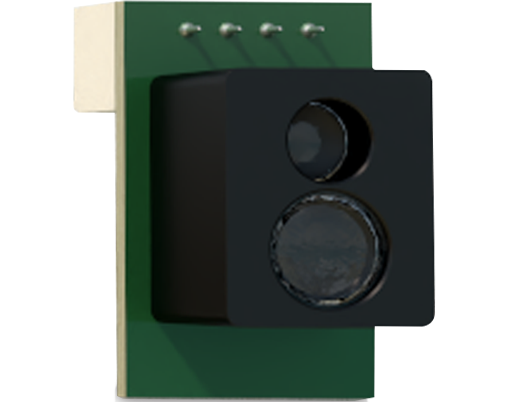
Installation and maintenance are straightforward but important. Ensure a stable mounting to minimize vibration. Keep the lens clean from dust, oil, or condensation, as contamination can attenuate the laser signal. Avoid pointing the sensor at highly reflective surfaces at a perpendicular angle, as this can cause saturation of the receiver; a slight angular offset is recommended. Always adhere to the manufacturer's safety guidelines regarding laser operation.
In conclusion, Laser Time-of-Flight sensors represent a powerful and versatile tool for non-contact distance and position measurement. Their blend of long range, high speed, and good accuracy makes them indispensable in modern automated systems. By understanding their working principle and meticulously matching sensor specifications to application needs, engineers can reliably solve complex measurement challenges, enhancing efficiency, safety, and productivity across countless industrial and technological fields.