In the realm of industrial automation and precision engineering, the demand for reliable, accurate, and non-contact measurement solutions is paramount. Potou laser distance sensors have emerged as a critical component in this landscape, offering robust performance across a diverse range of applications. These sensors utilize advanced laser triangulation or time-of-flight (ToF) principles to deliver high-resolution distance data, enabling precise control and monitoring in complex environments.
The core technology behind Potou laser distance sensors involves emitting a focused laser beam towards a target object. The reflected light is then captured by a sensitive receiver, typically a position-sensitive detector (PSD) or a CMOS/CCD array. By calculating the angle or the time delay of the returned beam, the sensor's internal processor accurately determines the distance to the target. This non-contact method eliminates mechanical wear, minimizes maintenance requirements, and allows for measurements on hot, fragile, or moving objects where physical contact is impractical or damaging.
Key performance characteristics define the superiority of Potou laser sensors. Measurement range is a primary consideration, with models available from short-range (a few millimeters to centimeters) for ultra-precise positioning to long-range (up to several hundred meters) for large-scale surveying and monitoring. Accuracy and resolution are equally vital; high-end Potou sensors can achieve sub-millimeter or even micrometer-level precision, essential for quality control in manufacturing. Furthermore, response time is critical for dynamic processes. Modern Potou sensors boast high sampling rates, allowing for real-time feedback in high-speed production lines, robotics, and automated guided vehicles (AGVs).
The industrial design of Potou laser distance sensors emphasizes durability and adaptability. Housed in rugged, often IP67-rated enclosures, they are built to withstand harsh conditions including dust, moisture, oil mist, and significant temperature variations. This makes them ideal for deployment in challenging sectors such as automotive manufacturing, metal processing, logistics, and construction. Many models feature integrated intelligence, such as programmable switching outputs, analog outputs (4-20mA, 0-10V), and digital interfaces (RS-232, RS-485, Ethernet, IO-Link). This connectivity facilitates seamless integration into broader control systems, PLCs, and Industrial IoT (IIoT) networks, enabling data aggregation and predictive analytics.
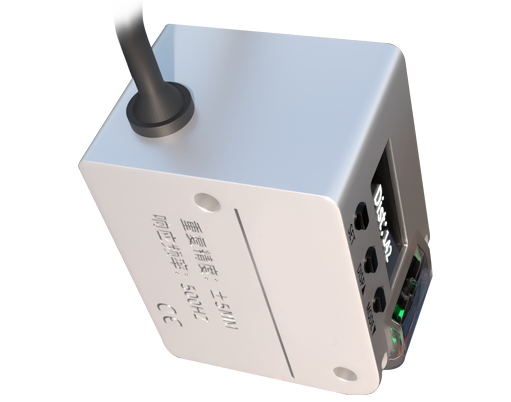
Application scenarios for Potou laser sensors are vast and varied. In the automotive industry, they are used for body-in-white gap and flush measurement, robot guidance for welding and assembly, and thickness inspection of materials. Within logistics and warehousing, these sensors manage palletizing, measure package dimensions for volume scanning, and ensure precise positioning in automated storage and retrieval systems (AS/RS). In construction and civil engineering, they assist in leveling, alignment, and monitoring structural deformations. Additionally, they play a crucial role in roll diameter measurement in paper and textile mills, fill level control in silos and tanks, and defect detection on production lines.
Selecting the appropriate Potou laser distance sensor requires a careful analysis of the application's specific needs. Engineers must evaluate factors such as the target material's color and surface texture (as highly reflective or dark surfaces can affect performance), the required measurement window, environmental interferences like ambient light, and the necessary mounting configuration. Many Potou sensor series offer adjustable parameters, background suppression, and specialized filters to mitigate these challenges, ensuring stable and reliable operation.
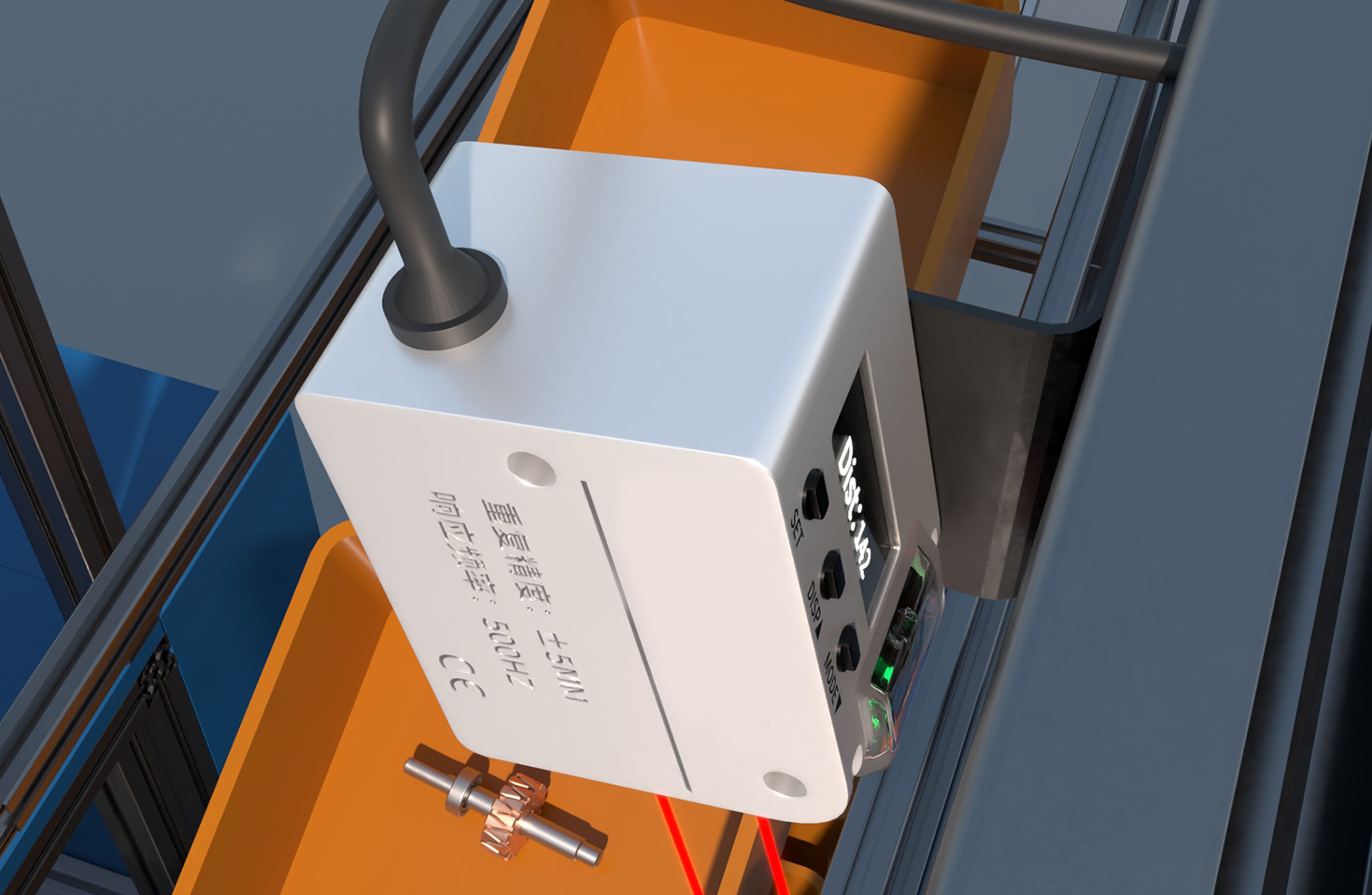
Looking ahead, the evolution of Potou laser distance sensors is aligned with Industry 4.0 trends. Future developments are expected to focus on enhanced miniaturization, reduced power consumption, and increased embedded intelligence with advanced data processing capabilities at the edge. The integration of multi-echo technology and improved algorithms will further boost performance on difficult surfaces. As smart factories and automated processes become the norm, the role of precise, connected, and resilient measurement devices like Potou laser sensors will only grow in significance, forming the foundational sensory layer for intelligent automation and data-driven decision-making.