Proximity sensors are indispensable components in modern industrial automation, providing non-contact detection of objects within a specific range. Their ability to operate without physical contact minimizes wear and tear, enhances reliability, and allows for high-speed operation in demanding environments. This article delves into the primary classifications of proximity sensors, explaining their operating principles, typical specifications, and common industrial use cases.
The most prevalent type is the Inductive Proximity Sensor. These sensors generate an electromagnetic field and detect the eddy currents induced in metallic targets. They are exclusively used for sensing ferrous and non-ferrous metals, with detection ranges typically from a few millimeters to about 60 millimeters. Key characteristics include high switching frequency, robustness against environmental contaminants like dust and oil, and insensitivity to non-metallic objects. Common applications include part presence verification on conveyor lines, end-of-travel detection on cylinders, and metal counting.
Capacitive Proximity Sensors operate by detecting changes in capacitance. They can sense both metallic and non-metallic materials, including liquids, plastics, glass, and wood. The sensor forms one plate of a capacitor, with the target object acting as the other plate. The presence of the target alters the dielectric constant, triggering the switch. These sensors are ideal for level detection in tanks (for liquids or granular solids), material handling of non-metallic products, and touch-sensitive control panels. Their sensing range is generally similar to inductive types but can be influenced by the material's dielectric properties.
Magnetic Proximity Sensors, often referred to as reed switches or Hall-effect sensors, detect the presence of a permanent magnet. Reed switches use hermetically sealed ferromagnetic reeds that close or open in the presence of a magnetic field. Hall-effect sensors produce a voltage output when exposed to a magnetic field. They are highly reliable for position sensing in harsh conditions, such as detecting the position of pneumatic cylinder pistons (using an embedded magnet) or in safety door interlocks. Their key advantage is complete isolation from the sensed environment.
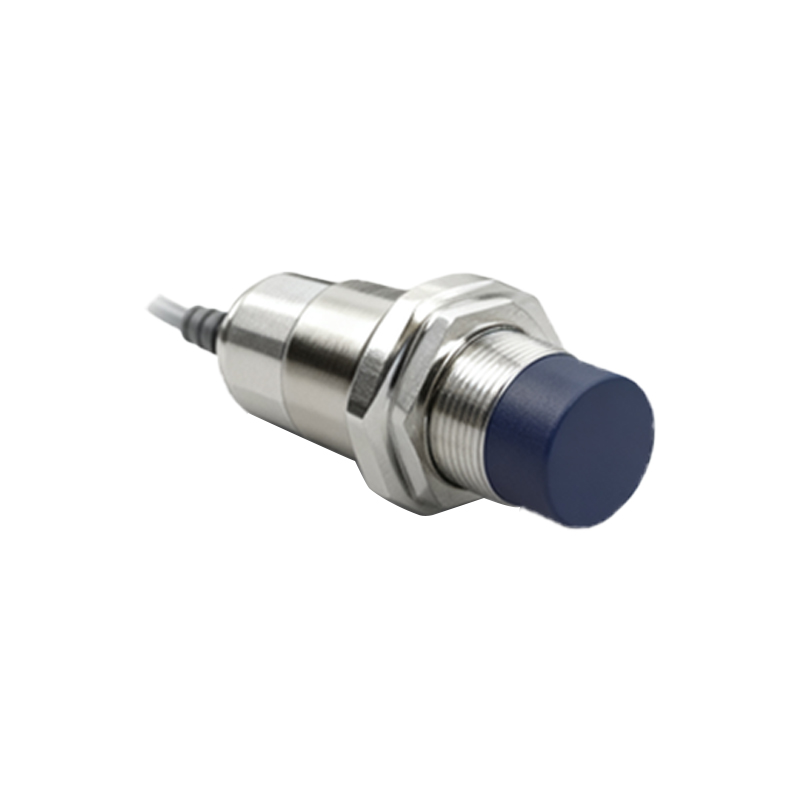
Ultrasonic Proximity Sensors measure the time-of-flight of high-frequency sound waves to determine the distance to an object. They emit an ultrasonic pulse and listen for the echo. These sensors can detect almost any material, regardless of color, transparency, or surface texture, and are effective over longer distances (from centimeters to several meters). They excel in applications like bulk level monitoring, loop control in web handling, and parking assistance systems in AGVs (Automated Guided Vehicles). Factors like temperature, humidity, and steep target angles can affect accuracy.
Photoelectric Sensors, while sometimes categorized separately, function as proximity devices in their diffuse (reflective) mode. They consist of an emitter (usually an LED) and a receiver. In the diffuse mode, the sensor detects light reflected directly from the target. They offer the longest sensing ranges among non-contact sensors and can detect a vast array of materials. Variants include through-beam (for maximum range and reliability) and retro-reflective models. Applications are ubiquitous, including object counting, bottle cap detection on filling lines, and breakage detection in transparent films.
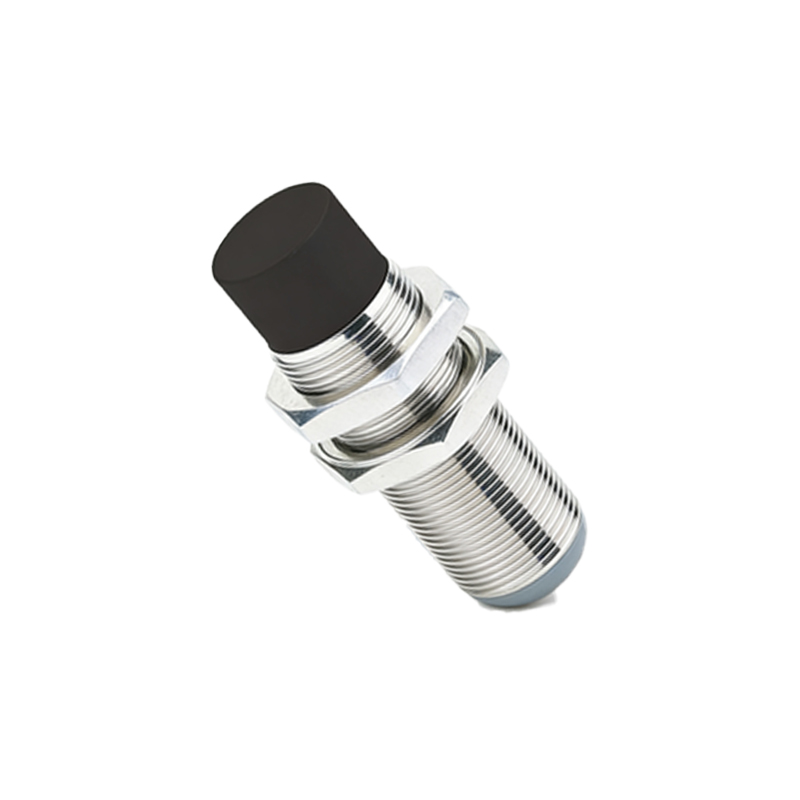
Selecting the appropriate proximity sensor requires a careful analysis of the application parameters: target material, required sensing distance, environmental conditions (temperature, presence of contaminants), electrical output requirements (PNP/NPN, analog, IO-Link), and response speed. Understanding the fundamental differences between inductive, capacitive, magnetic, ultrasonic, and photoelectric types is the first critical step in designing efficient, reliable, and cost-effective automation systems. The continued evolution of these sensors, including miniaturization and enhanced communication capabilities like IO-Link, is further integrating them into the framework of Industry 4.0 and smart manufacturing.