Proximity sensors, often referred to as proximity switches, are ubiquitous yet often unseen components in modern technology. Their core function is to detect the presence or absence of an object within a specific range without any physical contact. This non-contact detection capability makes them invaluable across a vast spectrum of industries. Understanding where these sensors are deployed reveals the hidden intelligence behind automated systems.
The most prominent application area is industrial automation and manufacturing. Here, proximity sensors are the workhorses on assembly lines and within machinery. They are used for precise object detection, ensuring a component is in the correct position before a robotic arm performs a weld or a paint sprayer activates. They count products on high-speed conveyor belts, monitor the position of robotic limbs, and verify if a door or safety guard is securely closed, enabling essential safety interlocks. In metal machining centers, inductive proximity sensors (which detect metals) are crucial for tool positioning, checking for broken tools, and confirming the presence of a raw metal blank before a process begins.
Another critical domain is the automotive industry. From the manufacturing plant to the vehicle itself, proximity sensors are everywhere. On the production line, they guide robots that install windows and wheels. Within the car, they form the basis of parking assist systems, alerting drivers to nearby obstacles with audible warnings. They are integrated into keyless entry systems, detecting the approach of a key fob to unlock doors. Some advanced systems even use them to detect a driver's hand approaching the infotainment screen to activate touch controls.
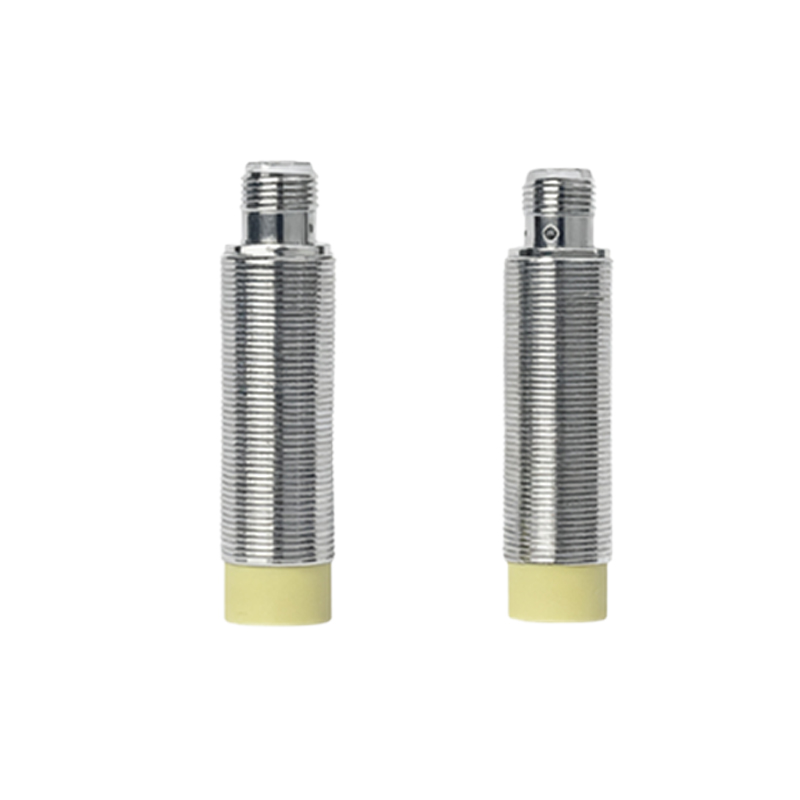
Consumer electronics and appliances increasingly rely on these sensors for enhanced user experience and energy savings. In smartphones, a capacitive proximity sensor (which detects conductive objects like a human body) turns off the screen during a phone call to prevent accidental cheek presses. Automatic faucets and soap dispensers in public restrooms use infrared or ultrasonic sensors to detect hands, promoting hygiene and conserving water. Modern refrigerators may use them to turn on interior lights only when someone approaches, and some washing machines use them to sense load size.
The realm of security and access control is a natural fit. Proximity sensors are integral to security alarm systems, detecting the opening of windows or doors. They are used in building automation to control lighting in hallways or restrooms, turning lights on when motion is detected and off when the area is vacant, leading to significant energy efficiency. Automatic sliding doors at supermarkets and airports are a classic example, using sensors to provide smooth, hands-free access.
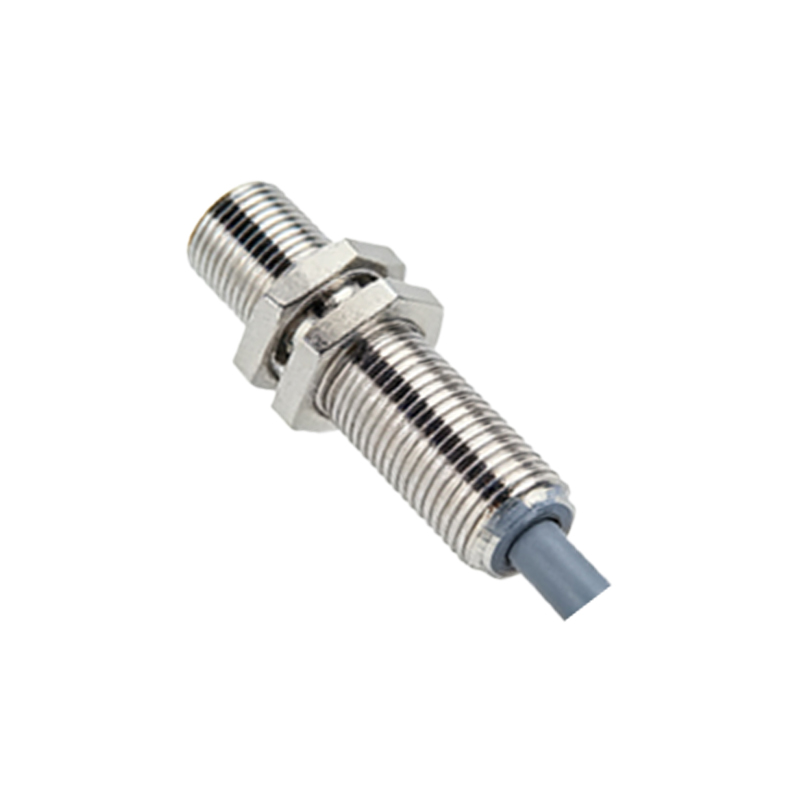
Beyond these common fields, specialized applications abound. In the food and beverage industry, sensors with specific hygienic designs monitor packaging levels. In agriculture, they can be used on automated harvesting equipment. In aerospace, they provide critical position feedback on landing gear and control surfaces. Even in the medical field, they are found in automated diagnostic equipment and patient monitoring devices.
The type of sensor chosen—inductive for metals, capacitive for liquids and non-metals, photoelectric for long-range or specific color detection, or ultrasonic for challenging environments—depends entirely on the target object and the environmental conditions. The placement is equally strategic: mounted on moving parts for position feedback, embedded in housings for discreet detection, or positioned at critical junctures for safety and verification.
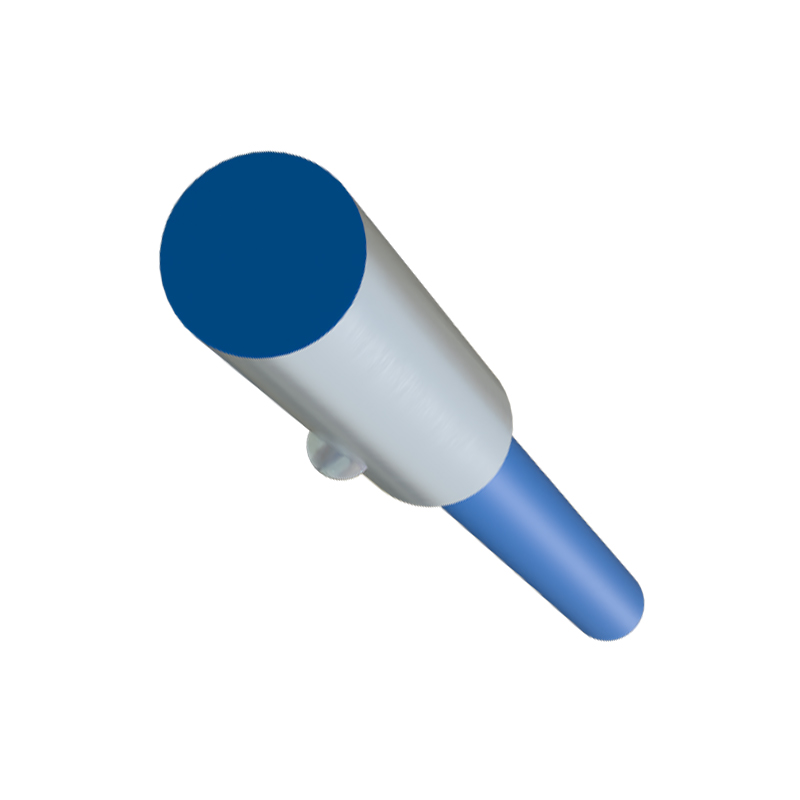
In essence, proximity sensors are wherever automation, safety, efficiency, or user convenience is required. They are the silent sentinels that provide the essential binary input—"object present" or "object absent"—that allows complex systems to make intelligent decisions. From the factory floor to your pocket, their reliable, contactless operation forms a fundamental layer of our automated world, often working seamlessly in the background to enhance functionality and reliability.