In the realm of industrial automation, the ability to detect the presence or absence of an object without physical contact is fundamental. Among the various technologies enabling this, non-shielded (or unshielded) inductive proximity sensors stand as a robust and widely deployed solution. Unlike their shielded counterparts, these sensors offer distinct advantages and considerations that every engineer and system designer must understand for optimal implementation.
The core operating principle of a non-shielded inductive proximity sensor is electromagnetic induction. The sensor's face contains a coil that is part of an oscillating circuit. When an electrically conductive target (typically metal) enters the sensor's active electromagnetic field, eddy currents are induced on the target's surface. This causes a change in the oscillation amplitude within the sensor's circuit. An evaluation circuit detects this change and triggers a solid-state output switch, signaling the object's presence. The key differentiator of a non-shielded design is the absence of a metal ring (usually ferrite) surrounding the sensing coil. This ring, present in shielded sensors, focuses the electromagnetic field directly in front of the sensor face. In contrast, the field of a non-shielded sensor extends laterally from the sides of the sensing coil as well.
This characteristic field shape defines the primary advantages of non-shielded sensors. The most significant benefit is a longer sensing range for a given sensor diameter compared to a shielded model. A standard unshielded sensor can typically detect a standard steel target at a distance of 2 to 3 times its diameter, whereas a shielded sensor's range is often limited to 0.5 to 1 times its diameter. This extended range provides greater installation flexibility, allowing for more generous mounting clearances. Furthermore, the lateral field enables detection from the side, which can be advantageous in certain niche applications where a sideways approach is necessary.
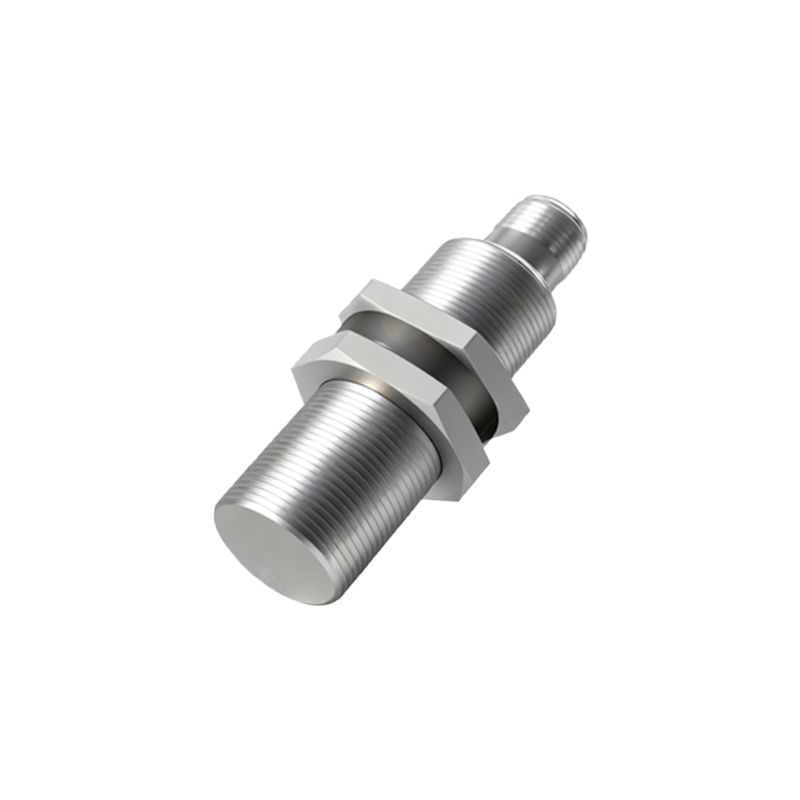
However, the very feature that grants these benefits also introduces critical installation constraints. The extended lateral field makes non-shielded sensors susceptible to interference from surrounding metallic objects. If mounted flush in a metal bracket or too close to other machine structures, the sensor may false-trigger or experience a significant reduction in its effective sensing range. Therefore, they require a defined non-metallic "free zone" around the sides of the sensor barrel. Manufacturers specify the required radial and axial clearance distances, which must be strictly adhered to during mounting. This often necessitates the use of non-metallic mounting brackets or spacers, adding a layer of complexity to the mechanical design.
The applications for non-shielded proximity sensors are vast, but they are particularly favored in scenarios where range is paramount and mounting conditions can be controlled. Common uses include:
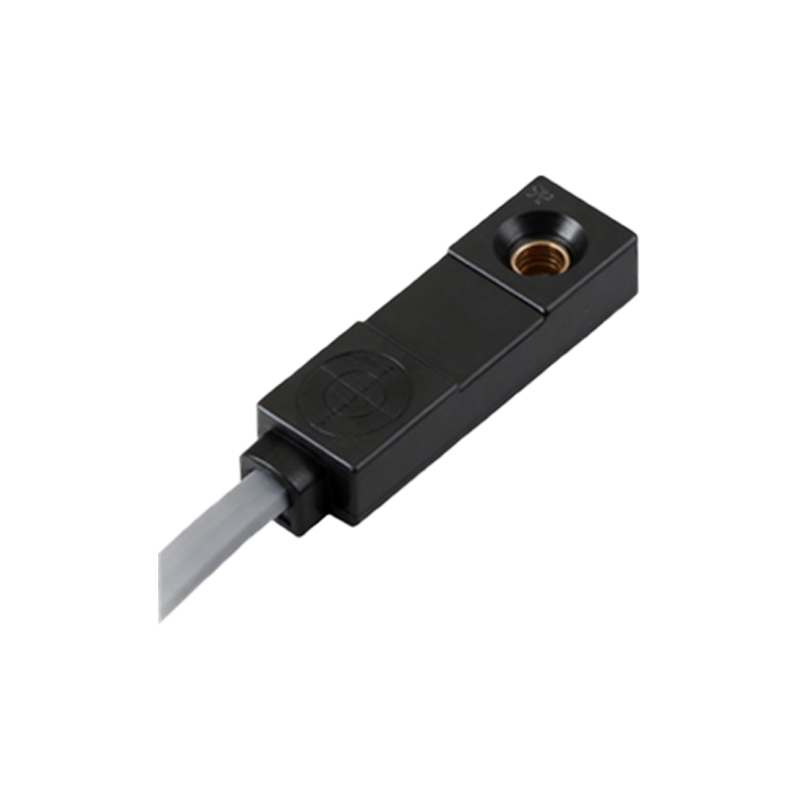
Position Sensing on Non-Metallic Machinery: Ideal for detecting metal components on equipment frames made of plastic, aluminum (a non-ferrous metal with lower detection factor), or other composites, where interference from the frame itself is minimal.
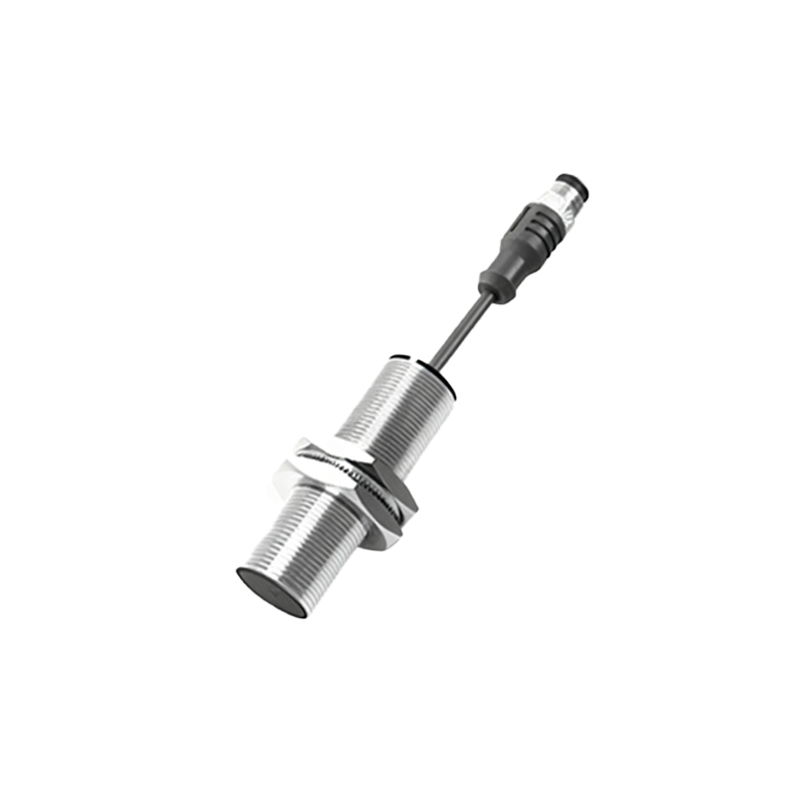
Conveyor Systems: Used for counting metal parts, detecting the end of a metal roll, or initiating processes when a pallet or fixture arrives. The longer range allows for detection before the object is directly in front of the sensor.
Material Handling: Detecting the presence of metal bins, racks, or tools in automated storage and retrieval systems.
Packaging Machinery: Monitoring the position of metal actuators, cams, or product carriers.
When selecting a non-shielded proximity sensor, several key parameters must be evaluated beyond just the sensing distance. The target material is crucial; while designed for metals, the sensing range is specified for mild steel (Fe360). For stainless steel, brass, or aluminum, the effective range is reduced, often by 30% to 60%, requiring consultation of derating curves. The sensor's housing material, typically nickel-plated brass or stainless steel, must be chosen to withstand the environmental conditions, including exposure to coolants, oils, or washdowns (with appropriate IP rating, e.g., IP67 or IP69K). Output configuration (PNP/NPN, NO/NC) must match the controller's input card specifications. Finally, considering the operating frequency—the maximum number of on/off cycles per second—is vital for high-speed applications to ensure the sensor can keep pace with the process.
In conclusion, non-shielded inductive proximity sensors are powerful tools that offer superior range at the cost of more demanding mounting requirements. Their successful deployment hinges on a clear understanding of their electromagnetic field behavior and a disciplined approach to installation, respecting the necessary clearances. By carefully matching the sensor's characteristics to the application's mechanical environment and performance needs, engineers can reliably harness their capabilities to build more flexible and efficient automated systems. They remain a testament to the principle that in sensor technology, understanding the nuances of the field—both electromagnetic and operational—is key to robust design.
SEO