In the realm of electrical engineering, the integration of lasers and sensors has catalyzed a paradigm shift, enabling unprecedented precision, efficiency, and innovation across diverse applications. Lasers, as coherent light sources, provide highly focused energy beams that can be precisely controlled in terms of wavelength, intensity, and duration. When coupled with advanced sensors—devices that detect and respond to physical stimuli—these technologies form synergistic systems that are transforming industries from manufacturing and telecommunications to healthcare and autonomous systems.
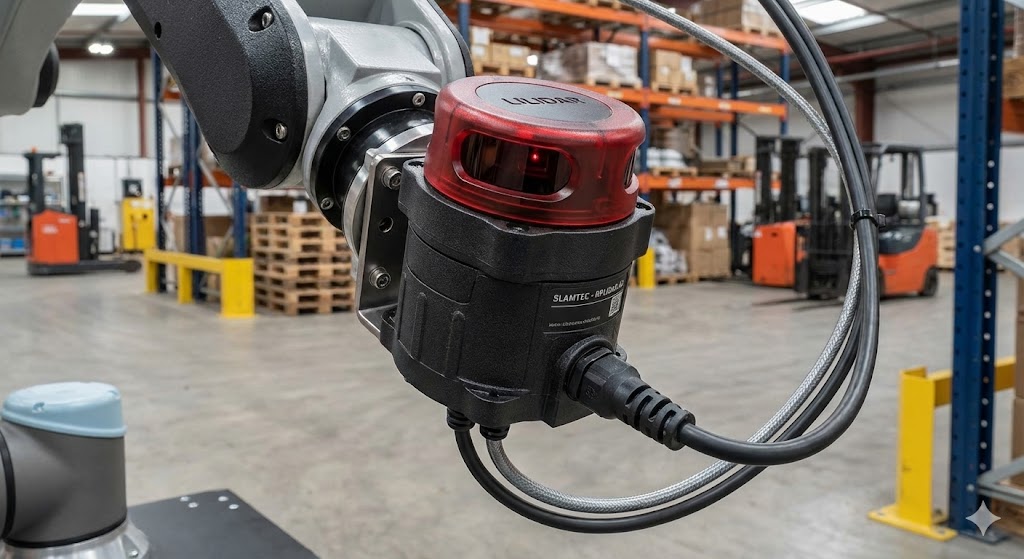
The fundamental principle behind laser-sensor synergy lies in the ability of lasers to interact with materials or environments, while sensors capture the resulting changes. For instance, in LiDAR (Light Detection and Ranging) systems, pulsed lasers scan surroundings, and sensors measure the time delay of reflected light to generate detailed 3D maps. This technology is pivotal for autonomous vehicles, enabling real-time navigation and obstacle avoidance with centimeter-level accuracy. Similarly, in industrial automation, laser-based sensors monitor parameters like distance, thickness, and alignment in production lines, ensuring quality control and minimizing human error. Fiber-optic sensors, which use laser light transmitted through optical fibers, are another breakthrough. They detect minute changes in temperature, pressure, or strain by analyzing light properties, making them ideal for harsh environments such as oil pipelines or aerospace structures where traditional electronic sensors may fail.
In telecommunications, lasers serve as the backbone of fiber-optic networks, transmitting data as light pulses over long distances with minimal loss. Sensors integrated into these networks monitor signal integrity and performance, allowing for proactive maintenance and enhanced bandwidth. The healthcare sector benefits from laser-sensor combinations in diagnostic tools like optical coherence tomography, where lasers image tissue microstructures, and sensors capture high-resolution data for early disease detection. Moreover, environmental monitoring leverages laser spectroscopy sensors to analyze air quality by detecting trace gases, contributing to climate research and pollution control.
The evolution of these technologies is driven by advancements in semiconductor materials, nanotechnology, and artificial intelligence. Miniaturized laser diodes and MEMS (Micro-Electro-Mechanical Systems) sensors have reduced costs and expanded applications to consumer electronics, such as smartphone facial recognition and gesture control. However, challenges persist, including power consumption, thermal management, and interference mitigation in complex environments. Future trends point toward quantum sensors using laser-cooled atoms for ultra-precise measurements, as well as integrated photonic circuits that combine lasers and sensors on a single chip for faster, more compact systems.
As electrical engineers continue to innovate, the convergence of lasers and sensors will unlock new frontiers in smart infrastructure, robotics, and sustainable energy. By harnessing light and detection capabilities, these technologies not only enhance operational efficiency but also pave the way for safer, more connected, and intelligent solutions in an increasingly automated world.