Small plastic proximity switch sensors have become indispensable components in modern industrial automation, offering reliable non-contact detection for a wide range of applications. These compact devices are engineered to detect the presence or absence of objects without physical contact, making them ideal for environments where durability, hygiene, and precision are paramount. Typically constructed from high-grade engineering plastics such as PBT, PPS, or PVDF, these sensors provide excellent resistance to chemicals, oils, and mechanical stress, ensuring long-term performance even in harsh conditions.
The operational principle of plastic proximity sensors is based on electromagnetic, capacitive, or inductive technologies. Inductive variants, for instance, generate an oscillating electromagnetic field to detect metallic objects, while capacitive sensors can identify both metallic and non-metallic materials by measuring changes in capacitance. This versatility allows engineers to select the appropriate sensor type based on specific application requirements, such as detection range, response time, and environmental factors. Key advantages include minimal maintenance needs, high switching frequencies, and immunity to surface contaminants like dust or moisture, which often plague mechanical switches.
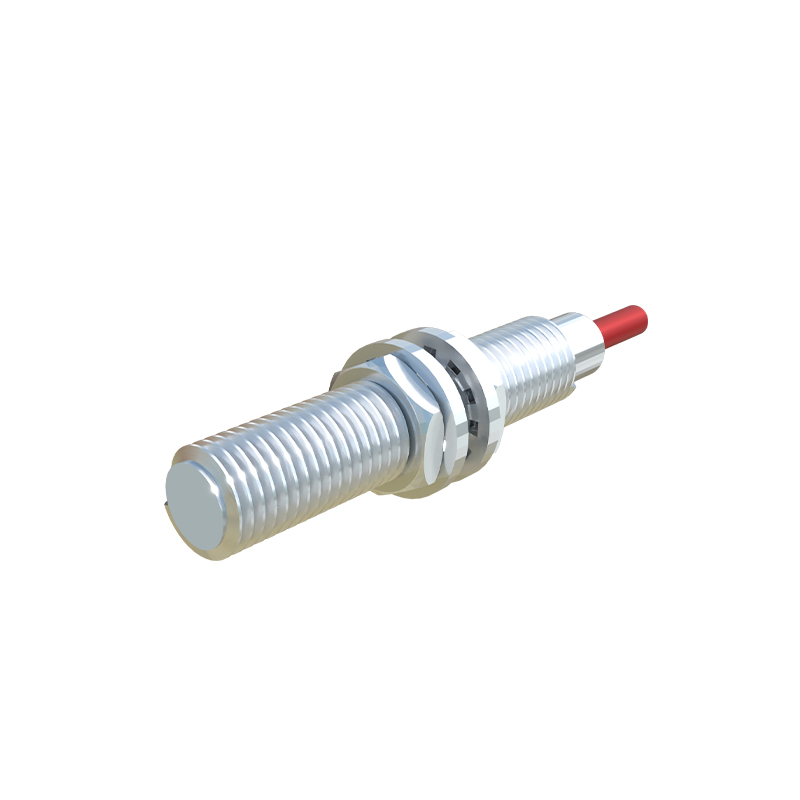
In practice, small plastic proximity sensors are widely deployed in packaging machinery, conveyor systems, automotive assembly lines, and food processing equipment. Their lightweight and compact design enables easy integration into tight spaces, while their plastic housings prevent interference with nearby metal components—a common issue with metal-cased sensors. Many models feature built-in LED indicators for status monitoring and offer various output configurations, including NPN, PNP, and analog signals, ensuring compatibility with PLCs and control systems. When selecting a sensor, critical parameters to consider include sensing distance, temperature tolerance, IP rating for ingress protection, and electrical specifications like voltage range and current capacity.
Installation and alignment are straightforward but require attention to detail. Sensors should be mounted securely to avoid vibration-induced errors, and the sensing face must be positioned parallel to the target object for optimal accuracy. Regular testing with the intended target material is recommended, as factors like object size, shape, and material composition can affect performance. For challenging environments—such as areas with high electromagnetic interference or extreme temperatures—specialized variants with enhanced shielding or extended operational ranges are available.
Looking ahead, advancements in polymer technology and miniaturization are driving the evolution of these sensors. Future trends include the integration of IO-Link communication for smart factory connectivity, improved energy efficiency, and enhanced resistance to aggressive chemicals. By leveraging small plastic proximity switches, industries can achieve higher automation levels, reduce downtime, and improve safety—all while maintaining cost-effectiveness. Whether for simple object detection or complex positioning tasks, these sensors continue to play a pivotal role in optimizing industrial processes.