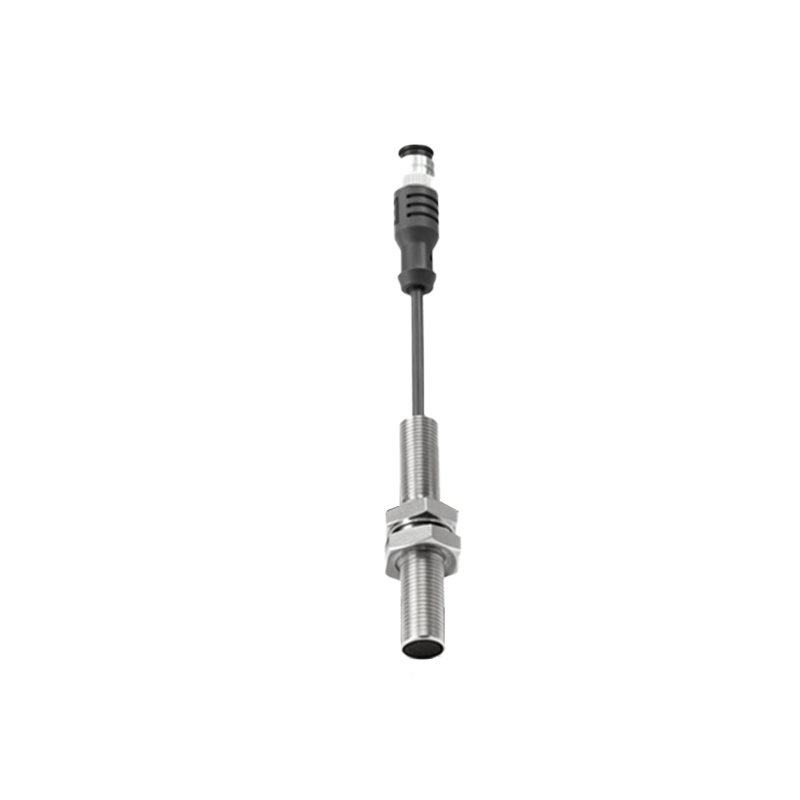
In the realm of industrial automation, proximity sensors are indispensable components that enable non-contact detection of objects, ensuring precision, reliability, and efficiency in countless applications. As a seasoned electrical engineer, I aim to provide a detailed overview of prominent proximity sensor models, their operating principles, and key selection criteria to guide professionals in optimizing their systems.
Proximity sensors function by emitting an electromagnetic field or beam and detecting changes in the field upon the approach of a target object. They are broadly categorized into inductive, capacitive, ultrasonic, and photoelectric types, each suited to specific environments and materials. Inductive sensors, for instance, are ideal for detecting metallic objects and are widely used in manufacturing lines for position sensing. Popular models in this category include the Omron E2E series and Sick IME series, known for their robust construction, high switching frequencies, and resistance to harsh conditions like dust and moisture. These models often feature adjustable sensing ranges, typically from 2mm to 40mm, and come in both shielded and unshielded variants to accommodate different installation needs.
Capacitive sensors, such as the Balluff BC series and Pepperl+Fuchs C series, excel in detecting non-metallic materials like plastics, liquids, or wood. They operate by measuring changes in capacitance and are commonly employed in level control or material handling. Key specifications to consider include the sensing distance, which can range from 5mm to 60mm, and the response time, often under 10ms for high-speed applications. For environments requiring detection over longer distances or through opaque materials, ultrasonic sensors like the Siemens 3RG series offer reliable performance with ranges up to several meters, making them suitable for bulk material monitoring or collision avoidance in automated guided vehicles (AGVs).
Photoelectric sensors, including diffuse, retro-reflective, and through-beam types, provide versatile solutions for object detection based on light beams. Models such as the Allen-Bradley 42JR series and Keyence FU series are renowned for their accuracy and adaptability in packaging, robotics, and assembly lines. When selecting a photoelectric sensor, factors like light source (infrared, laser, or visible light), sensing range, and environmental immunity to ambient light or vibrations are critical. For instance, laser-based sensors offer precise detection for small parts, while infrared variants ensure stability in varying lighting conditions.
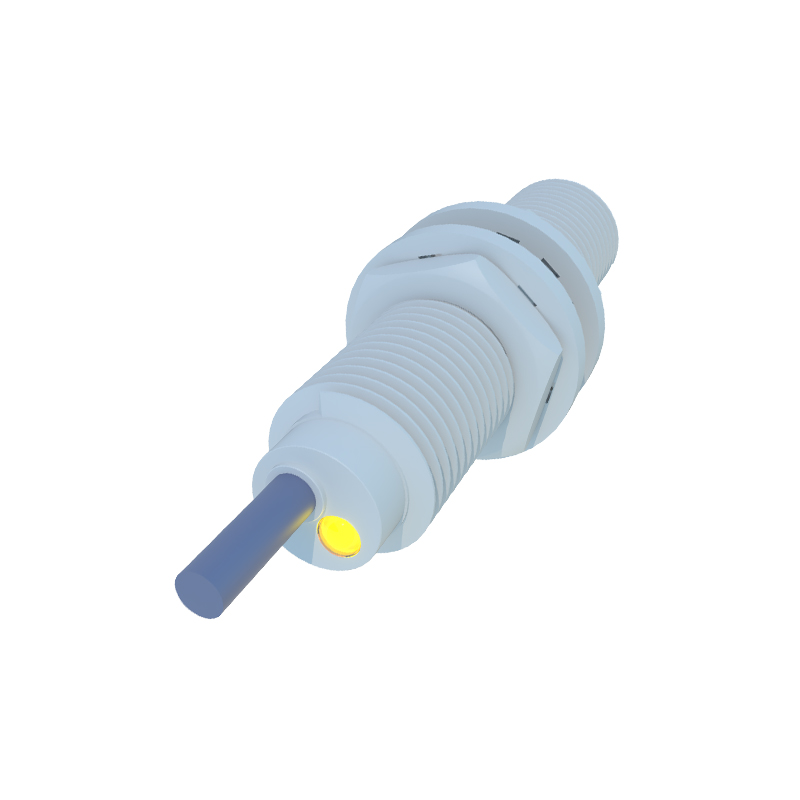
In addition to type-specific models, modern proximity sensors integrate advanced features to enhance functionality. Many contemporary units, like the Turck Q series or IFM Efector series, incorporate IO-Link communication for real-time data exchange, enabling predictive maintenance and seamless integration with Industrial Internet of Things (IIoT) platforms. These smart sensors can transmit parameters such as temperature, signal strength, or diagnostic alerts, reducing downtime and improving operational transparency. Enclosure ratings, such as IP67 or IP69K for water and dust resistance, are also vital for durability in demanding settings like food processing or outdoor installations.
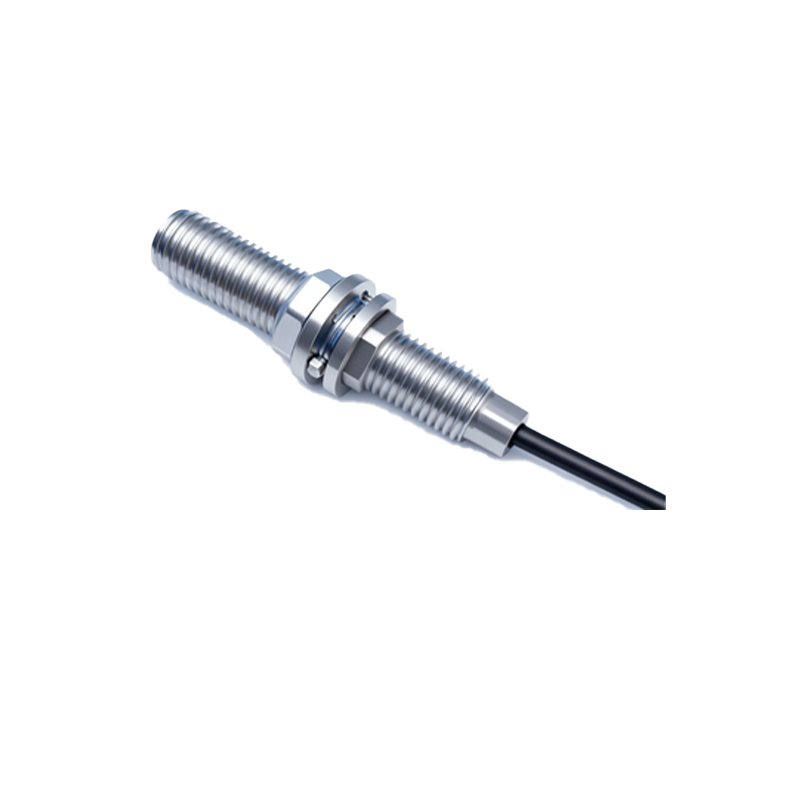
Selecting the right proximity sensor model hinges on a thorough analysis of application requirements. Engineers must evaluate the target material, required sensing distance, environmental factors (e.g., temperature extremes, chemical exposure), and electrical specifications like supply voltage (commonly 10-30V DC) and output type (PNP/NPN). For high-speed counting tasks, a sensor with a fast response time and high switching frequency is essential, whereas safety-critical applications may demand redundant designs or certified models meeting ISO 13849 standards. Cost considerations should balance initial investment with long-term reliability, as premium models often offer extended lifespans and reduced maintenance needs.
In conclusion, the diversity of proximity sensor models available today empowers engineers to tailor solutions for virtually any industrial scenario. By understanding the nuances of inductive, capacitive, ultrasonic, and photoelectric technologies—and leveraging innovations in connectivity—professionals can drive efficiency, safety, and innovation in automated systems. Regular consultation with manufacturer datasheets and industry benchmarks, such as those from IEC 60947-5-2, ensures informed decisions that align with operational goals.