In the rapidly evolving landscape of heating, ventilation, and air conditioning (HVAC) technology, laser sensors have emerged as a pivotal component, driving significant advancements in system efficiency, precision control, and user comfort. Unlike traditional infrared or ultrasonic sensors, laser sensors utilize focused light beams to detect and measure environmental parameters with exceptional accuracy. This technology is increasingly integrated into modern air conditioning systems, offering a sophisticated approach to climate management.
The core principle of laser sensing in air conditioning revolves around the precise measurement of distance, presence, and even particulate matter. A laser diode emits a coherent light beam toward a target area. By analyzing the reflected light—measuring the time-of-flight or phase shift—the sensor can calculate the distance to an object or surface with millimeter-level precision. In practical HVAC applications, this capability is harnessed for occupancy detection and spatial mapping. For instance, laser sensors can detect the presence and movement of occupants within a room. This data allows the air conditioning system to adjust airflow and temperature dynamically, cooling or heating only occupied zones rather than the entire building. This targeted approach leads to substantial energy savings, reducing operational costs and environmental impact.
Beyond occupancy, laser sensors are instrumental in air quality monitoring. They can detect and quantify airborne particles, such as dust, pollen, and other allergens, by measuring light scattering. When integrated with the air conditioning unit's filtration and ventilation systems, this enables real-time air quality assessment. The system can automatically increase filtration efficiency or introduce fresh air when pollutant levels rise, ensuring a healthier indoor environment. This is particularly valuable in commercial spaces, hospitals, and residential settings where air purity is paramount.
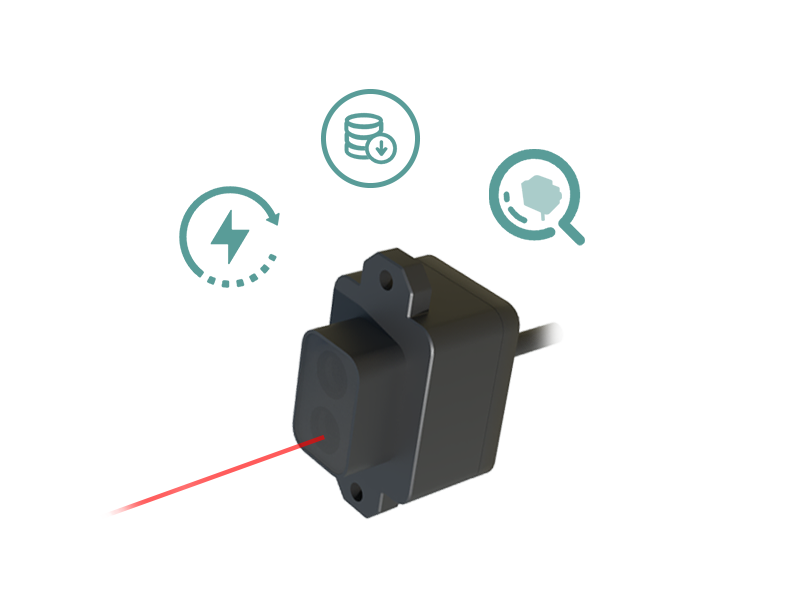
Another critical application is in predictive maintenance and system diagnostics. Laser sensors can monitor the physical condition of internal components, such as fan blade alignment or filter clogging, by detecting minute vibrations or obstructions. Early detection of such issues prevents system failures, reduces downtime, and extends the equipment's lifespan. This proactive maintenance strategy, powered by precise laser data, is becoming a standard in smart building management.
The integration of laser sensors with the Internet of Things (IoT) and building automation systems represents the frontier of HVAC innovation. These sensors provide a continuous stream of high-fidelity data, which can be analyzed by AI algorithms to optimize system performance over time. For example, machine learning models can learn occupancy patterns and environmental trends, enabling the air conditioning system to anticipate needs and operate at peak efficiency. This not only enhances comfort by maintaining consistent, desired conditions but also contributes to broader energy conservation goals.
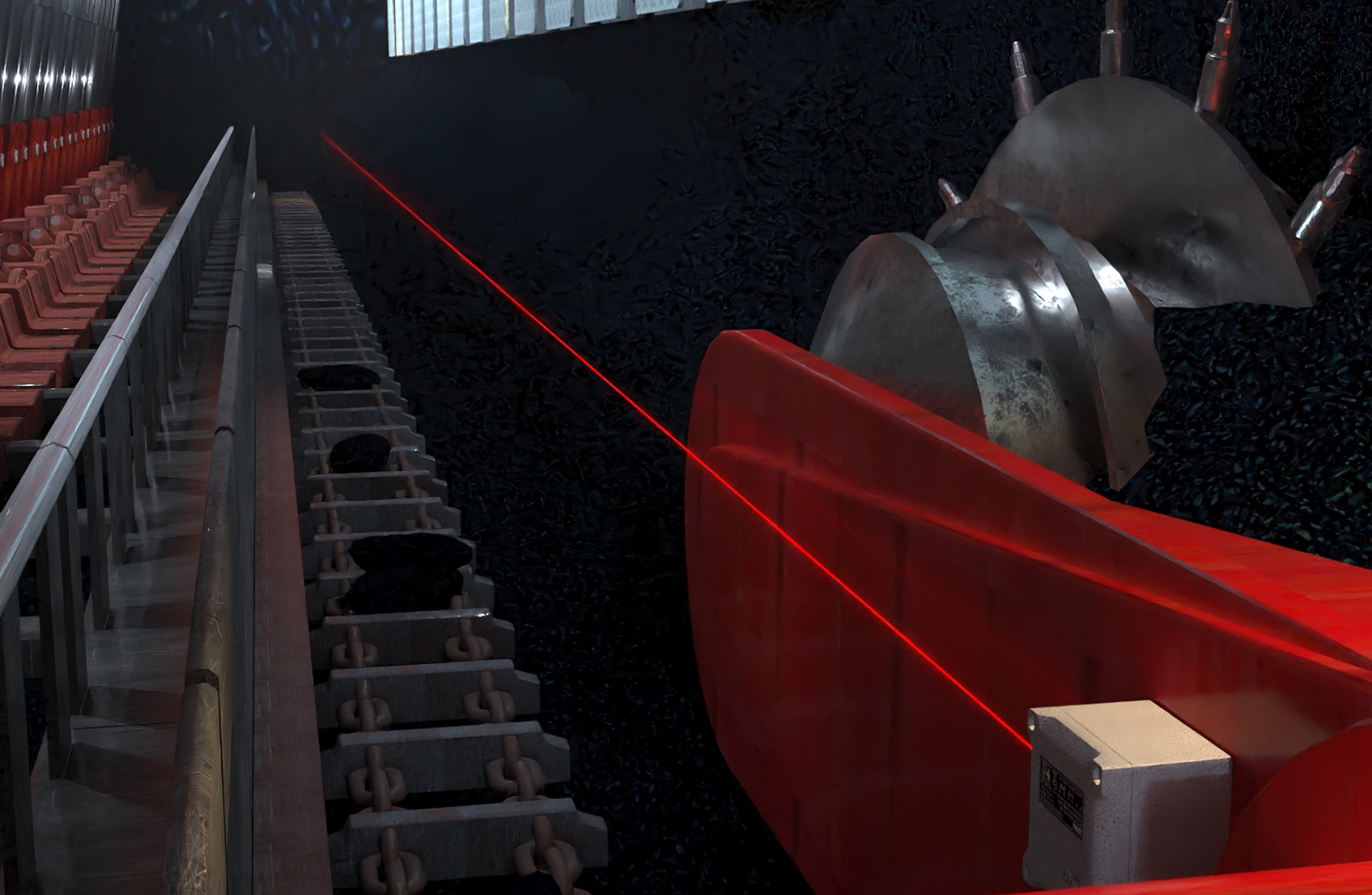
Despite their advantages, the adoption of laser sensors in air conditioning does present challenges. The initial cost is higher compared to conventional sensors, which can be a barrier for some residential or small-scale applications. Additionally, these sensors require careful calibration and protection from physical obstructions or excessive dirt that could interfere with the laser beam. However, as manufacturing scales and technology matures, costs are steadily decreasing, making laser sensors more accessible.
From an engineering perspective, the design integration of laser sensors must consider factors like placement for optimal coverage, power consumption, and compatibility with existing control protocols. Engineers are developing low-power variants and standardized communication interfaces, such as BACnet or Modbus, to facilitate seamless integration into diverse HVAC architectures.
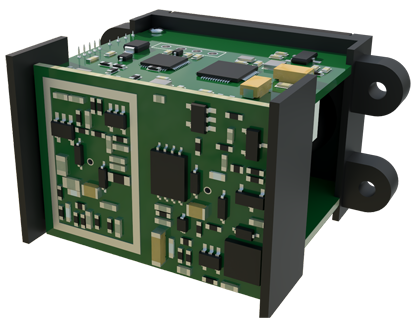
In conclusion, laser sensors are transforming air conditioning from a reactive, broad-stroke system into an intelligent, responsive, and highly efficient network. By enabling precise occupancy detection, superior air quality management, and predictive maintenance, they elevate both performance and sustainability. As research continues to enhance their durability, affordability, and capabilities, laser sensors are poised to become an indispensable element in the next generation of smart, energy-efficient HVAC solutions, redefining our expectations of indoor environmental control.