In the dynamic landscape of industrial automation and precision measurement, laser sensors stand as critical components, enabling unparalleled accuracy in distance measurement, object detection, and quality control. However, these sophisticated devices are subject to wear, environmental stress, and technological obsolescence. Rather than opting for costly replacements, a strategic refurbishment process can restore laser sensors to optimal performance, extending their operational lifespan and providing significant cost savings. This guide delves into the professional methodology for laser sensor refurbishment.
The initial phase of any refurbishment project is a comprehensive diagnostic assessment. This involves a meticulous visual inspection for physical damage to the housing, lens, and connector interfaces. Contamination, such as dust, oil, or debris on the optical lens, is a common culprit for signal degradation or failure. Following the visual check, the sensor undergoes functional testing using calibrated reference targets and standard test conditions. Key parameters are evaluated: output power stability, linearity of measurement, repeatability, and response time. Data logging during this stage is crucial to establish a performance baseline and identify specific deviations from the manufacturer's specifications. Advanced diagnostics may include oscilloscope analysis of the signal output and spectral analysis of the laser source to detect aging or mode instability.
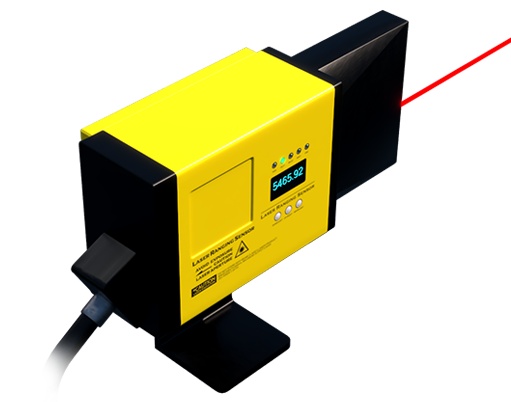
Once diagnostics are complete, the core refurbishment procedures begin. The process is highly systematic. First, the sensor housing is carefully disassembled in a controlled, clean environment to prevent the introduction of new contaminants. The optical assembly, including the laser diode (or other source), collimating lenses, and receiving optics, is delicately cleaned using appropriate solvents and lint-free wipes certified for optical components. For sensors with significant internal contamination, ultrasonic cleaning of non-electronic parts may be employed.
The electronic components require equal attention. Circuit boards are inspected for signs of corrosion, cold solder joints, or damaged traces. Power supplies and signal conditioning circuits are tested under load. Often, the refurbishment includes replacing aging electrolytic capacitors, which are prone to failure over time, and upgrading firmware or software to the latest stable version to enhance functionality and compatibility. For the laser source itself, if testing indicates a drop in output power beyond acceptable limits, replacement with a new or reconditioned emitter module is necessary. This is a precision task, requiring realignment to ensure the optical path integrity.
Re-calibration is the cornerstone of a successful refurbishment. After reassembly, the sensor must be calibrated against traceable standards. This involves adjusting internal potentiometers or software parameters to ensure its output accurately corresponds to known physical distances or reflectivity values. The calibration process typically maps the sensor's response across its entire measurement range, correcting for any non-linearity. A final validation test, replicating the initial diagnostic conditions, is performed. The results are compared against the baseline and original specifications. Only sensors that meet or exceed predefined performance criteria are approved for return to service.
The benefits of professional laser sensor refurbishment are substantial. It offers a cost-effective alternative to new purchases, often at 40-60% of the replacement cost. It reduces electronic waste, supporting sustainability goals. Furthermore, refurbishment can sometimes incorporate minor upgrades, such as improved sealing for higher ingress protection (IP) ratings or enhanced communication protocols. For legacy systems where direct replacements are discontinued, refurbishment is often the only viable option to maintain production line continuity.
In conclusion, laser sensor refurbishment is not merely a repair job; it is a value-engineering process that demands technical expertise, proper tools, and a rigorous quality assurance protocol. By partnering with a specialized service provider or establishing an in-house competency, organizations can maximize the return on their capital investment in sensing technology, ensuring reliable, accurate, and efficient operation for years beyond the typical lifecycle.