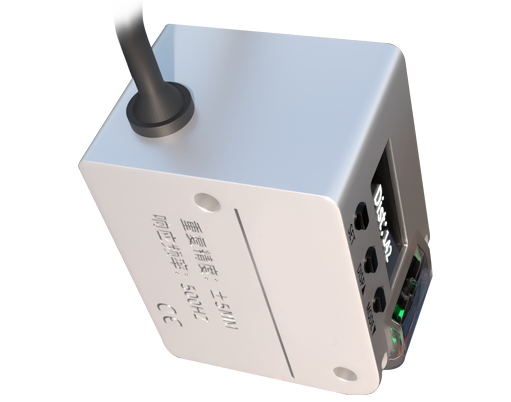
Laser displacement sensors are non-contact measurement devices that utilize laser triangulation or time-of-flight principles to determine the distance between the sensor and a target object with high precision. These sensors emit a focused laser beam onto the target surface. The reflected light is then captured by a receiving element, such as a CCD or PSD. By calculating the angle or the time difference between the emitted and reflected light, the sensor's internal processor computes the exact displacement or distance. This technology enables measurements ranging from sub-micron levels to several meters, depending on the sensor model and configuration.
The core advantage of laser displacement sensors lies in their ability to perform high-speed, accurate measurements without physical contact. This non-contact nature eliminates issues like mechanical wear, surface damage, or measurement inertia, making them ideal for delicate or moving objects. Common industrial applications include thickness gauging in manufacturing, vibration analysis, profile scanning, part positioning, and quality inspection on assembly lines. For instance, in automotive production, these sensors verify component dimensions and alignments, ensuring stringent tolerances are met. In electronics manufacturing, they measure solder paste height or inspect micro-component placements.
When selecting a laser displacement sensor, several critical parameters must be considered. Measurement range defines the minimum and maximum distances the sensor can accurately cover. Resolution indicates the smallest detectable change in distance, crucial for high-precision tasks. Linearity error reflects the deviation from an ideal straight-line output across the measurement range. Spot size, determined by the laser wavelength and optics, affects measurement stability on rough or curved surfaces—smaller spots suit detailed features, while larger spots average surface irregularities. Response speed, often in kilohertz, determines how quickly the sensor can update measurements, essential for high-speed production environments.
Environmental factors significantly impact sensor performance. Ambient light, especially strong infrared or direct sunlight, can interfere with the laser signal. Dust, oil mist, or steam may scatter or absorb the laser beam. Many industrial-grade sensors incorporate protective housings (IP67 ratings), optical filters, or modulated laser light to mitigate these interferences. Additionally, target surface properties—such as color, material, texture, and reflectivity—influence measurement accuracy. Highly reflective or transparent surfaces (e.g., glass, polished metal) often require specialized sensors with adjustable sensitivity or supplementary accessories like retro-reflective tapes.
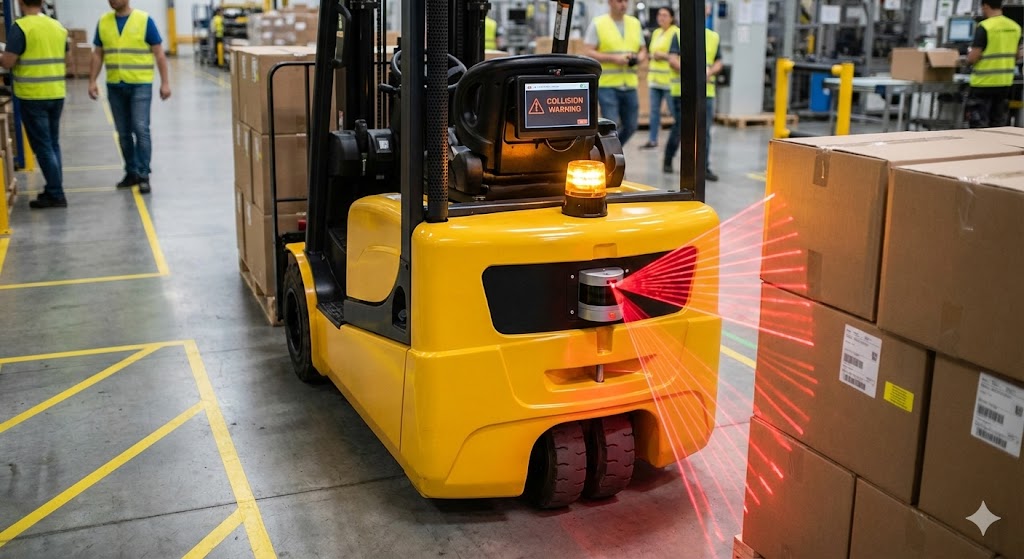
Modern laser displacement sensors integrate advanced features to enhance functionality. Analog outputs (0-10V, 4-20mA) and digital interfaces (EtherCAT, PROFINET, RS-485) facilitate seamless integration into control systems. Some models offer programmable logic for in-sensor decision-making, reducing PLC workload. Multi-point measurement modes enable profile scanning or simultaneous thickness calculation. For challenging applications, confocal chromatic or blue laser sensors provide solutions for transparent materials or low-reflectivity surfaces.
Installation and calibration are pivotal for optimal performance. Proper alignment ensures the laser beam strikes the target perpendicularly, minimizing cosine error. Vibration isolation mounts may be necessary in dynamic settings. Regular calibration against certified reference standards maintains accuracy over time. Maintenance typically involves cleaning the optical window with appropriate solvents to prevent contamination buildup.
In summary, laser displacement sensors are indispensable tools in precision engineering and automated manufacturing. Their selection requires a thorough analysis of application requirements, target characteristics, and operational environment. By leveraging their high accuracy, speed, and versatility, industries can achieve enhanced quality control, process efficiency, and operational reliability. As technology evolves, trends like miniaturization, higher-speed processing, and smarter sensor fusion continue to expand their potential across sectors such as robotics, aerospace, and medical device manufacturing.