As an experienced electrical engineer in industrial automation, I have encountered countless cases of premature proximity sensor failure. These failures are not merely inconveniences; they lead to costly downtime, production losses, and maintenance headaches. Understanding the root causes is the first step toward building a more reliable system. This guide delves into the most common reasons proximity sensors fail and provides actionable solutions.
The primary culprit behind frequent sensor failure is often environmental contamination. In harsh industrial settings, sensors are bombarded by metal chips, cutting fluids, coolants, and dust. Inductive proximity sensors, in particular, can accumulate conductive metallic swarf on their sensing face. This buildup effectively forms a shield, drastically reducing the sensor's effective sensing range and causing intermittent operation or complete failure. The solution involves selecting sensors with the appropriate IP (Ingress Protection) rating for the environment. For areas with heavy particulate or liquid exposure, sensors rated IP67 or higher are essential. Regular, gentle cleaning of the sensing face with a soft cloth and appropriate solvent (check manufacturer guidelines) is a simple yet highly effective preventive measure.
Electrical overload and voltage spikes are silent killers of electronic components, and proximity sensors are no exception. While most sensors have some degree of protection, sustained overvoltage or severe voltage transients from sources like inductive load switching (relays, solenoids, motors) can damage internal circuitry. This often manifests as erratic behavior or a complete lack of output. Ensuring a stable, clean power supply is critical. Implement protective devices such as surge suppressors, transient voltage suppression (TVS) diodes, or proper RC snubber circuits across inductive loads in the same system. Always verify that the power supply voltage matches the sensor's specifications and remains within its tolerance range, especially during machine startup when inrush currents can cause voltage dips.
Mechanical stress and improper installation account for a significant portion of physical failures. Proximity sensors are precision devices, not structural components. Mounting a sensor in a way that makes it vulnerable to physical impact from passing objects, vibration, or excessive torque during installation can crack housings, misalign internal coils, or loosen connections. Follow the manufacturer's mounting instructions precisely. Use the correct brackets and ensure the sensor is securely fastened but not overtightened. In high-vibration environments, choose sensors specifically designed with robust housings and vibration-resistant components. Additionally, ensure the sensing face has a clear, unobstructed path to the target, maintaining the recommended mounting distance.
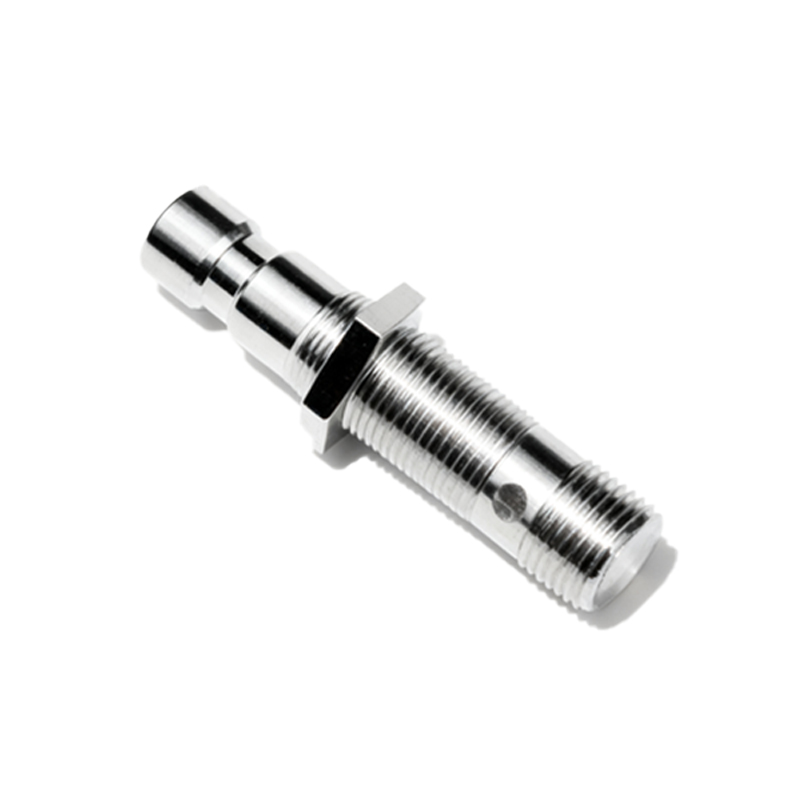
Incorrect sensor selection for the application is a fundamental but common error. Using a standard inductive sensor to detect a non-ferrous metal like aluminum or copper will result in a severely reduced sensing distance and unreliable operation. For such applications, a sensor specifically designed for non-ferrous metals (often labeled "non-ferrous" or with a reduced sensing factor) is required. Similarly, using an inductive sensor to detect plastic or liquid is impossible; a capacitive proximity sensor would be the correct choice. For detecting any material through a non-metallic barrier, ultrasonic sensors are ideal. Always consult the sensor datasheet to confirm it is suitable for your specific target material, size, and required sensing distance.
Finally, do not overlook the simple factors. Wiring errors, such as incorrect polarity for DC sensors or loose connections in terminal boxes, can cause immediate failure or intermittent issues. Excessive ambient temperature can push the sensor beyond its operational limits, leading to thermal degradation of components. Ensure sensors are not placed near extreme heat sources like ovens or furnaces unless they are high-temperature rated. Similarly, chemical exposure to aggressive solvents or acids can degrade sensor housing and seals.
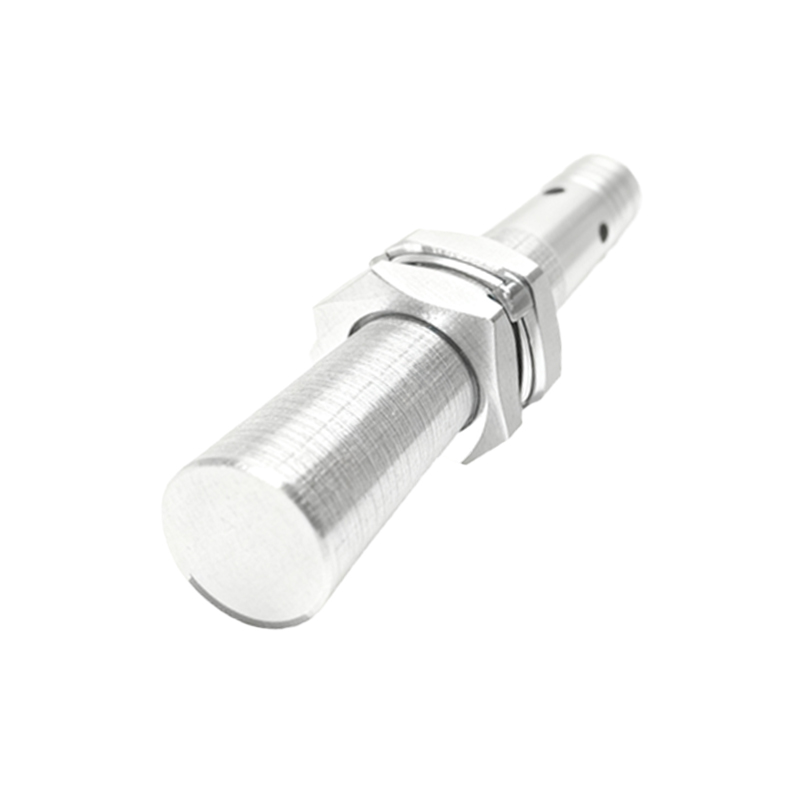
A systematic approach to troubleshooting is invaluable. Start with a visual inspection for contamination or physical damage. Check the power supply with a multimeter. Verify the load (e.g., PLC input, relay coil) is within the sensor's switching capacity. Use the manufacturer's diagnostic indicators, if available. Often, the problem is not the sensor itself but the environment or electrical network it operates within.
Proactive maintenance and correct initial selection are far more cost-effective than reactive replacements. By addressing environmental protection, electrical stability, mechanical security, and application suitability, you can dramatically extend the operational life of proximity sensors, ensuring smoother production flow and reduced total cost of ownership. Invest time in the planning and installation phase; it pays dividends in long-term reliability.