In the dynamic landscape of automotive manufacturing, proximity sensors have emerged as indispensable components, driving advancements in automation, safety, and quality control. These non-contact devices detect the presence or absence of objects within a specified range, enabling seamless integration into various stages of vehicle production. From assembly lines to robotic systems, their application ensures high precision, reliability, and operational efficiency, aligning with the industry's push toward smarter, more connected factories.
Proximity sensors operate on multiple principles, including inductive, capacitive, and magnetic technologies. Inductive sensors are predominantly used for detecting metallic objects, making them ideal for tasks such as part positioning in engine assembly or monitoring component flow. Capacitive sensors, on the other hand, can detect both metallic and non-metallic materials, such as plastics or liquids, which is crucial in interior trim installation or fluid level monitoring. Magnetic sensors offer robust performance in harsh environments, often applied in wheel alignment or brake system checks. Each type is selected based on factors like detection range, environmental conditions, and target material, ensuring optimal functionality across diverse automotive applications.
The integration of proximity sensors into automotive manufacturing lines significantly enhances precision. In welding stations, for instance, sensors accurately position car body panels, minimizing errors and reducing material waste. During painting processes, they monitor robot arm movements to ensure uniform coating application, contributing to superior finish quality. Additionally, in final inspection areas, sensors verify the correct installation of components like doors, hoods, and lights, preventing defects before vehicles leave the factory. This level of accuracy not only improves product consistency but also reduces rework costs, supporting lean manufacturing principles.
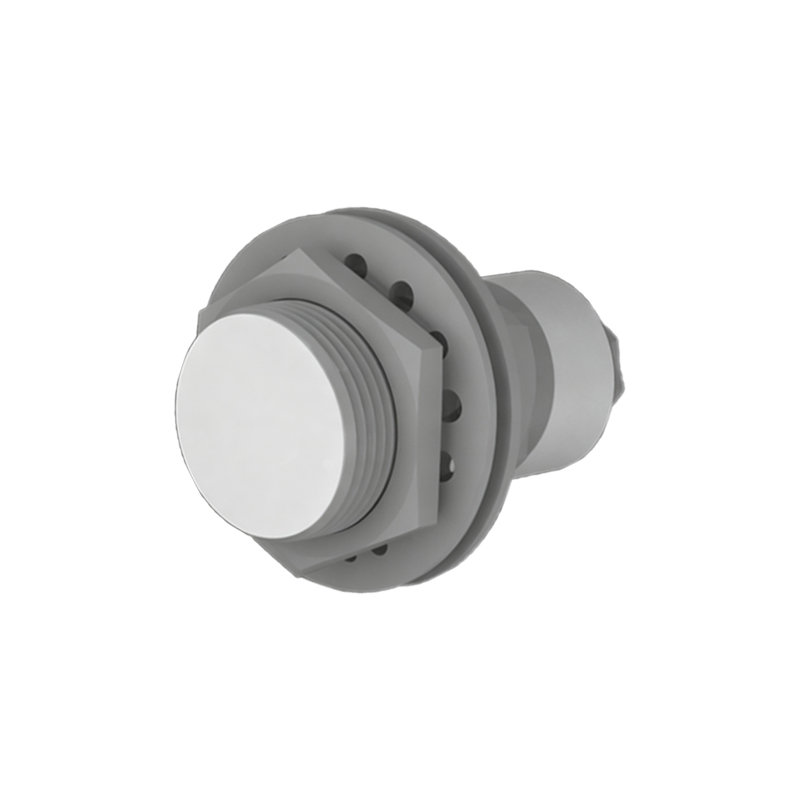
Efficiency gains are another key benefit. Proximity sensors enable real-time monitoring and data collection, facilitating predictive maintenance and minimizing downtime. For example, in conveyor systems, sensors track part movement, allowing for synchronized operations and preventing bottlenecks. In robotic cells, they ensure safe human-machine interaction by detecting intrusions into restricted zones, thereby enhancing workplace safety. Moreover, with the rise of Industry 4.0, these sensors are increasingly connected to IoT platforms, providing analytics that optimize production schedules and energy usage. This connectivity supports adaptive manufacturing, where lines can quickly reconfigure for different vehicle models, boosting flexibility in response to market demands.
Despite their advantages, challenges persist in deploying proximity sensors. Harsh industrial environments, involving extreme temperatures, vibrations, or electromagnetic interference, can affect sensor performance. To address this, manufacturers are developing ruggedized designs with higher ingress protection ratings and enhanced signal processing capabilities. Furthermore, calibration and maintenance require skilled personnel, underscoring the need for ongoing training in automotive engineering teams. Future trends point toward miniaturization, increased sensitivity, and integration with AI for smarter decision-making, potentially revolutionizing areas like autonomous vehicle testing and electric battery assembly.
In conclusion, proximity sensors are pivotal in modern automotive manufacturing, offering a blend of precision, efficiency, and adaptability. As the industry evolves toward electric and autonomous vehicles, their role will expand, necessitating continuous innovation. By leveraging these technologies, automotive manufacturers can achieve higher quality standards, reduce operational costs, and maintain competitiveness in a rapidly changing global market. Embracing such advancements is not just an option but a necessity for sustainable growth in the automotive sector.