In the rapidly evolving landscape of industrial automation and smart facility management, disinfection LiDAR sensors have emerged as a critical component for autonomous disinfection robots and systems. As a seasoned electrical engineer specializing in sensor integration, I aim to demystify the pricing structure of these sophisticated devices. The market price for a commercial-grade disinfection LiDAR sensor is not a single figure but a spectrum, typically ranging from $1,500 to $8,000 per unit. This significant variance is not arbitrary; it is a direct reflection of the underlying technology, performance specifications, and integration complexity.
At the core of the cost are the laser source and the photodetector. High-power, eye-safe laser diodes operating at specific wavelengths effective for pathogen detection (often in the UV-C or specific IR spectra for indirect disinfection system guidance) constitute a major portion of the Bill of Materials (BOM). The precision of the scanning mechanism—whether it's a rotating mirror, MEMS-based, or solid-state—also drastically affects the price. A high-resolution, long-range sensor (e.g., 100 meters with centimeter-level accuracy) for a large warehouse disinfection robot will command a premium over a short-range, lower-accuracy model designed for room-scale applications.
Beyond the hardware, the embedded software and algorithms are substantial cost drivers. Advanced sensors come with sophisticated perception stacks capable of real-time 3D mapping, dynamic obstacle detection for navigation, and even integration with disactivation emission systems. The development and licensing of this software, which ensures reliable operation in diverse and cluttered environments, is factored into the final price. Furthermore, compliance with international safety standards (like IEC 60825 for laser safety) and industry-specific certifications adds to the development and testing overhead.
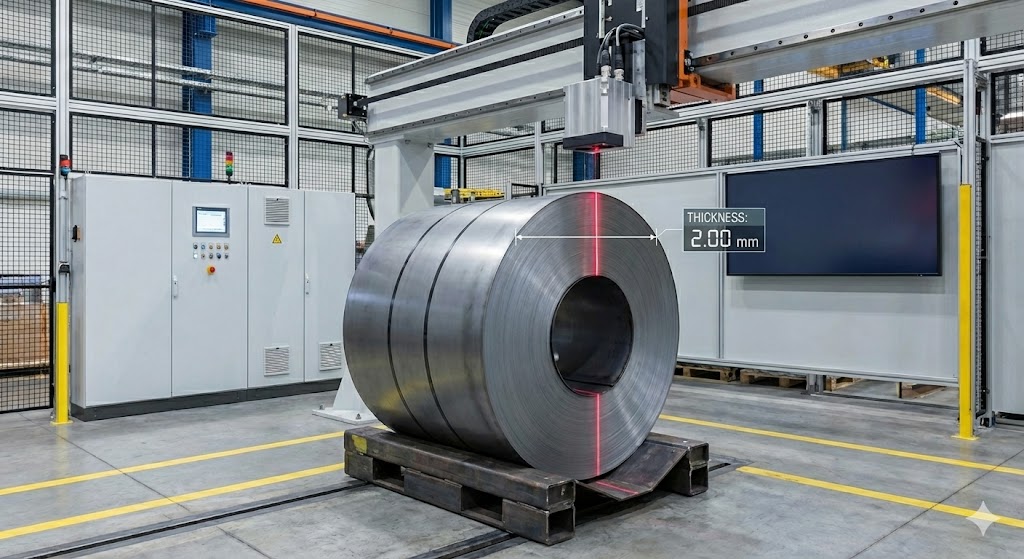
The ecosystem and support model play a crucial role. A sensor from an established manufacturer like SICK, Hokuyo, or Velodyne often includes robust technical support, detailed SDKs, and warranty services, justifying a higher price point. In contrast, newer entrants or OEM modules might offer lower upfront costs but require more in-house engineering resources for integration and troubleshooting. The choice between a standalone sensor unit and a fully integrated perception module for a disinfection platform also impacts cost. The latter, providing a plug-and-play solution, naturally carries a higher price tag due to the added value of pre-processing and calibration.
Supply chain dynamics and order volume are the final arbiters of price. Customizations for specific disinfection wavelengths, enhanced ingress protection (IP ratings for chemical resistance), or unique form factors lead to Non-Recurring Engineering (NRE) costs. Conversely, large-volume procurement for fleet deployments can reduce the per-unit cost significantly through economies of scale. Currently, the trend towards solid-state LiDAR is promising for cost reduction in the long term, though the technology for high-performance disinfection applications is still maturing.
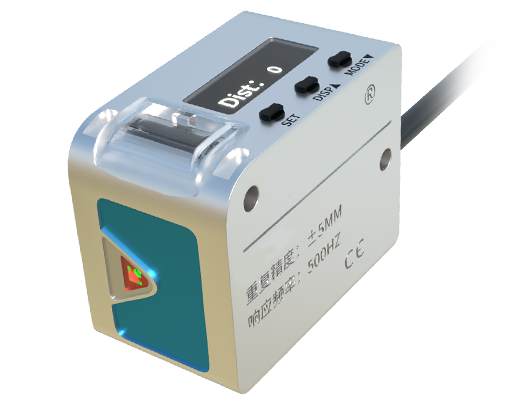
In conclusion, evaluating the price of a disinfection LiDAR sensor requires a holistic view beyond the initial quote. Engineers and procurement managers must conduct a thorough Total Cost of Ownership (TCO) analysis, balancing performance metrics—range, field of view, accuracy, scan rate—against the project's specific requirements for automation level, operational environment, and long-term maintenance. The "right" sensor is the one that delivers reliable, safe, and efficient performance at an optimal lifecycle cost, enabling effective and autonomous disinfection operations.