In the realm of industrial automation, proximity sensors are indispensable components, providing non-contact detection of objects for countless applications, from assembly lines to robotic systems. However, the seamless integration of these sensors into complex control networks often hinges on a critical yet sometimes overlooked component: the proximity sensor adapter. These adapters serve as the vital interface, translating signals and ensuring compatibility between sensors, cables, and controllers. Their role is fundamental in achieving reliable, flexible, and efficient automation solutions.
A proximity sensor adapter is essentially a connectivity device designed to bridge physical and electrical mismatches. Its primary functions include signal conversion, cable interface adaptation, and electrical protection. For instance, many modern programmable logic controllers (PLCs) utilize specific connector types, such as M8 or M12 circular connectors, while sensors may come with flying leads or different plug styles. An adapter facilitates this connection, preventing wiring errors and saving significant installation time. Furthermore, adapters can convert sensor output signals—switching between NPN (sinking) and PNP (sourcing) configurations—or adapt voltage levels to match the control system's requirements, such as converting 24V DC sensor signals for a 5V DC input module.
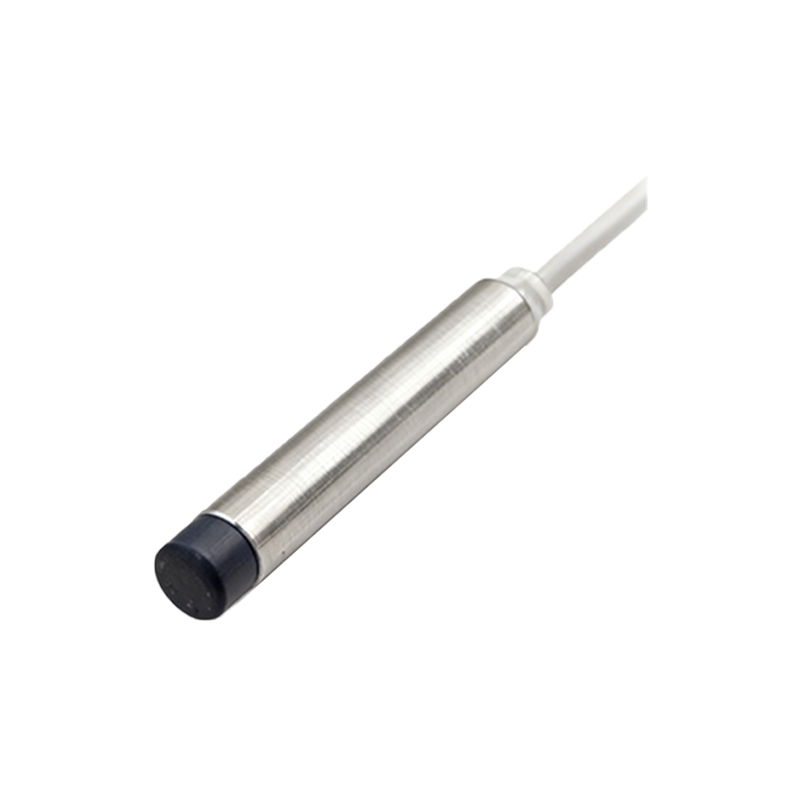
The selection of an appropriate adapter is governed by several key technical parameters. Connector type and gender are the most basic considerations; the adapter must match the sensor's output plug and the cable or controller's input socket. Pin configuration, typically 3-pin or 4-pin for DC sensors, must be verified. The electrical specifications are paramount: operating voltage range (commonly 10-30V DC), output type (NPN/PNP, NO/NC), and current rating. Environmental ratings, indicated by IP (Ingress Protection) codes like IP67, ensure the adapter can withstand dust, moisture, and washdowns in harsh industrial settings. Material construction, often using robust plastics like PBT or metal housings, contributes to durability and electromagnetic compatibility.
The strategic implementation of sensor adapters yields substantial benefits for system design and maintenance. They dramatically enhance flexibility, allowing engineers to standardize on a preferred cable type across the facility regardless of the sensor brand or model installed. This reduces inventory complexity for spare parts. From a maintenance perspective, adapters enable rapid sensor replacement without the need to rewire entire cable runs. A faulty sensor can be disconnected at the adapter, and a new unit plugged in, minimizing machine downtime. Additionally, many adapters incorporate LED indicators that provide visual confirmation of the sensor's operational status and power supply, aiding in swift troubleshooting.
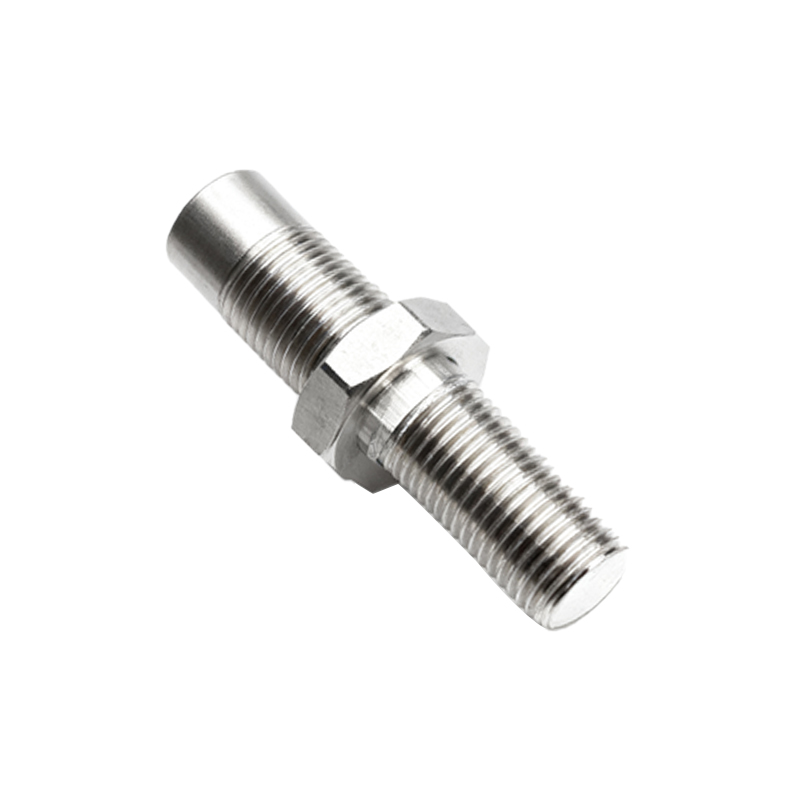
Looking forward, the evolution of proximity sensor adapters aligns with broader Industry 4.0 trends. There is a growing demand for adapters that support IO-Link communication, a point-to-point serial protocol that transforms a standard sensor into an intelligent device. IO-Link adapters not only transmit the standard switching signal but also enable bidirectional data exchange, allowing for remote parameter configuration, advanced diagnostics, and process data monitoring. This intelligence layer, facilitated by the adapter, is crucial for predictive maintenance and data-driven optimization. Furthermore, the miniaturization of sensors for compact machinery drives the need for correspondingly smaller, yet fully featured, adapter solutions.
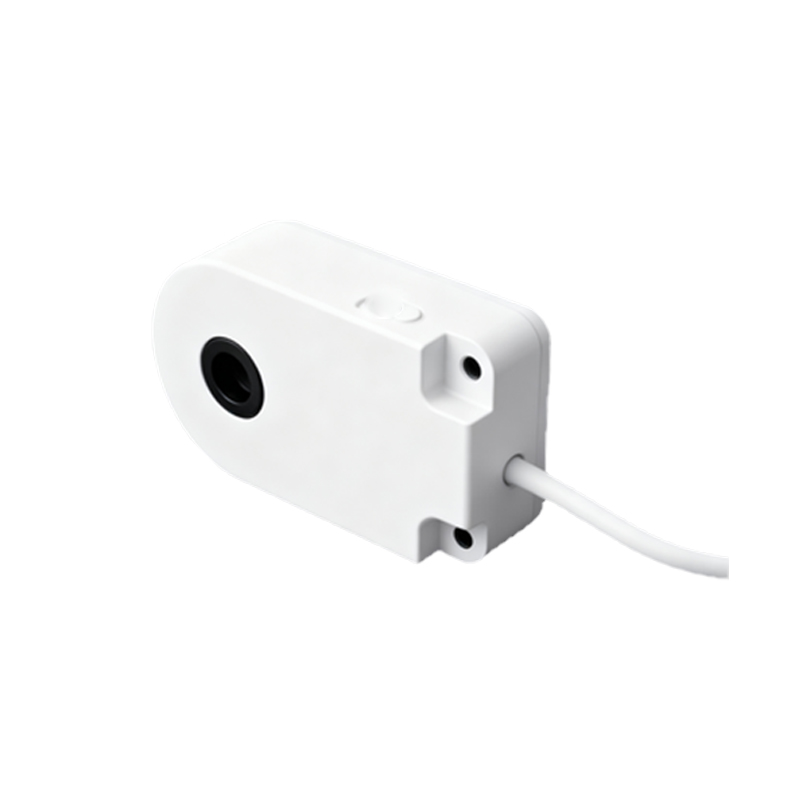
In conclusion, proximity sensor adapters are far more than simple mechanical couplers. They are engineered components that ensure signal integrity, protect sensitive electronics, and provide the connectivity backbone for modern automated systems. By carefully selecting adapters based on electrical, mechanical, and environmental criteria, engineers can build more resilient, adaptable, and intelligent automation infrastructures. Their role as enablers of compatibility and diagnostics will only expand as industrial networks become more sophisticated and data-centric, solidifying their position as essential elements in the toolbox of industrial automation.