In industrial automation, proximity sensors serve as the eyes of machinery, detecting the presence or absence of objects without physical contact. Ensuring their reliability is paramount, and that's where a proximity sensor tester becomes an indispensable tool. This device validates sensor performance, diagnoses faults, and maintains operational efficiency, making it a critical asset for engineers and technicians.
A proximity sensor tester simulates real-world conditions to evaluate key parameters. It typically measures sensing distance, response time, and output signal integrity. For inductive sensors, testers check detection ranges for metallic targets, while capacitive versions assess sensitivity to non-metallic materials. Advanced testers also verify switching frequency, hysteresis, and temperature drift, providing a holistic view of sensor health.
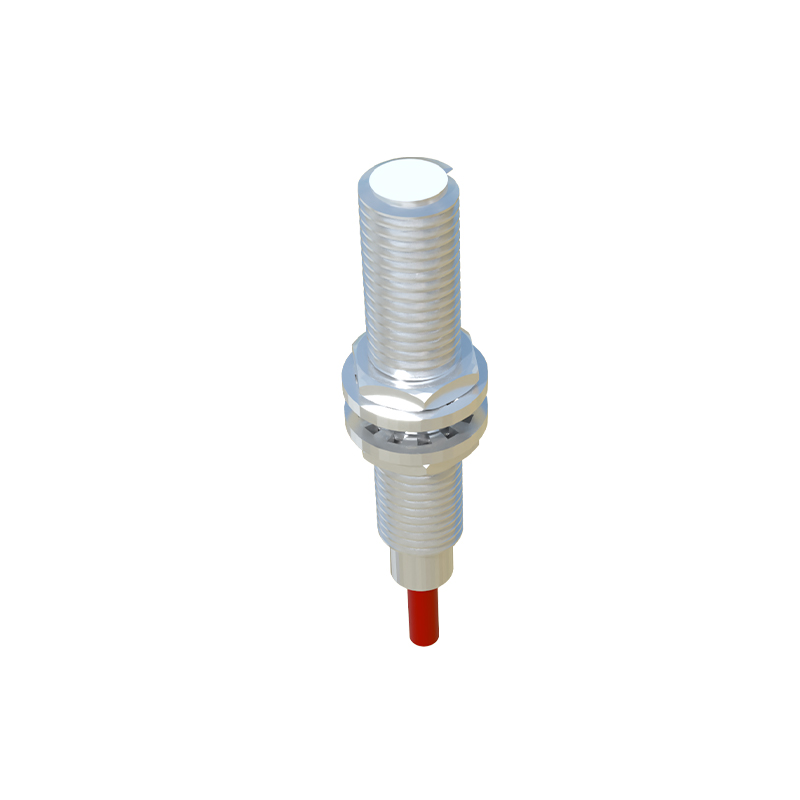
Using a tester involves a systematic approach. First, power the sensor according to its specifications—common voltages include 10-30V DC or 90-250V AC. Connect the tester to the sensor's output circuit, then introduce a target object at varying distances. The tester displays real-time data, such as the exact point of activation, allowing comparison against manufacturer benchmarks. For instance, if a sensor rated for a 5mm range triggers at 3mm, it may indicate wear or misalignment.
Common issues identified by testers include reduced sensing range due to contamination, electrical noise interference, or output signal degradation. In noisy environments, testers help assess shielding effectiveness and recommend adjustments like adding ferrite cores. They also detect false triggers caused by vibration or ambient light, enabling preemptive maintenance.
Modern testers integrate digital interfaces, such as OLED screens and Bluetooth connectivity, for data logging and analysis. This facilitates trend monitoring, where historical performance data predicts sensor lifespan. For example, a gradual decrease in response time might signal impending failure, allowing scheduled replacement during downtime.
In practice, regular testing with a dedicated device reduces unplanned outages by up to 40%. It's especially vital in high-stakes sectors like automotive assembly, where sensor failure can halt production lines, or in food processing, where hygiene standards demand flawless detection of packaging materials. Testers also aid in calibrating sensors after installation, ensuring alignment with mechanical tolerances.
When selecting a tester, consider compatibility with sensor types (inductive, capacitive, ultrasonic), measurement accuracy (typically ±0.1mm), and portability for field use. Top models offer automated test sequences, saving time in routine checks. Always follow safety protocols, like isolating power during connections, to prevent electrical hazards.
Ultimately, a proximity sensor tester is more than a diagnostic tool—it's a cornerstone of predictive maintenance. By empowering professionals to verify sensor integrity swiftly, it upholds system reliability, minimizes costly repairs, and drives industrial productivity forward.