In the realm of industrial automation, robotics, and advanced manufacturing, the ability to measure distance with high accuracy, speed, and reliability is paramount. Among the plethora of sensing technologies available, laser distance sensors have emerged as a gold standard for precision applications. This article delves into the operational principles, key technologies, and critical application considerations of laser-based distance measurement, providing electrical engineers with a thorough technical foundation.
At its core, a laser distance sensor operates by emitting a focused beam of coherent light—typically from a laser diode—towards a target object. The sensor then analyzes the reflected light to determine the distance. The two most prevalent methods for this analysis are the Time-of-Flight (ToF) principle and the Triangulation principle, each suited to different ranges and accuracy requirements.
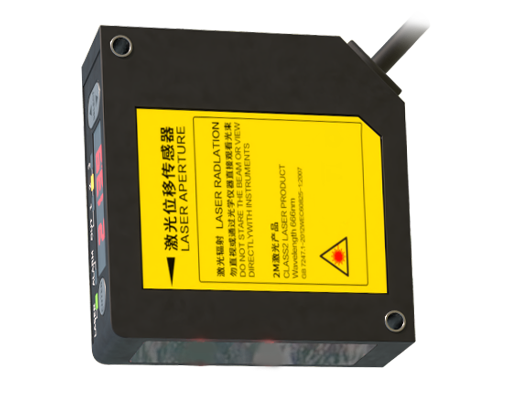
The Time-of-Flight method is ideal for longer-range measurements, from a few centimeters up to several hundred meters. It calculates distance by precisely measuring the time interval between the emission of a laser pulse and the detection of its reflection. Given the constant speed of light, this time delay is directly proportional to twice the distance to the target. Modern ToF sensors utilize high-speed electronic circuits to achieve sub-millimeter resolution even at significant distances. They are commonly deployed in applications like vehicle lidar, bulk material level monitoring in silos, and large-scale dimensional gauging.
For applications demanding ultra-high precision at shorter ranges—typically from a few millimeters to a few meters—the laser triangulation sensor is the preferred choice. In this configuration, the laser emitter, the target point, and a position-sensitive detector (like a CCD or PSD) form a triangle. The laser spot projected onto the target is imaged onto the detector. As the target distance changes, the position of this imaged spot shifts on the detector. By calculating this shift, the sensor determines the distance with exceptional resolution, often in the micrometer range. This makes triangulation sensors indispensable in quality control for electronics assembly, wafer alignment, and precision thickness measurement.
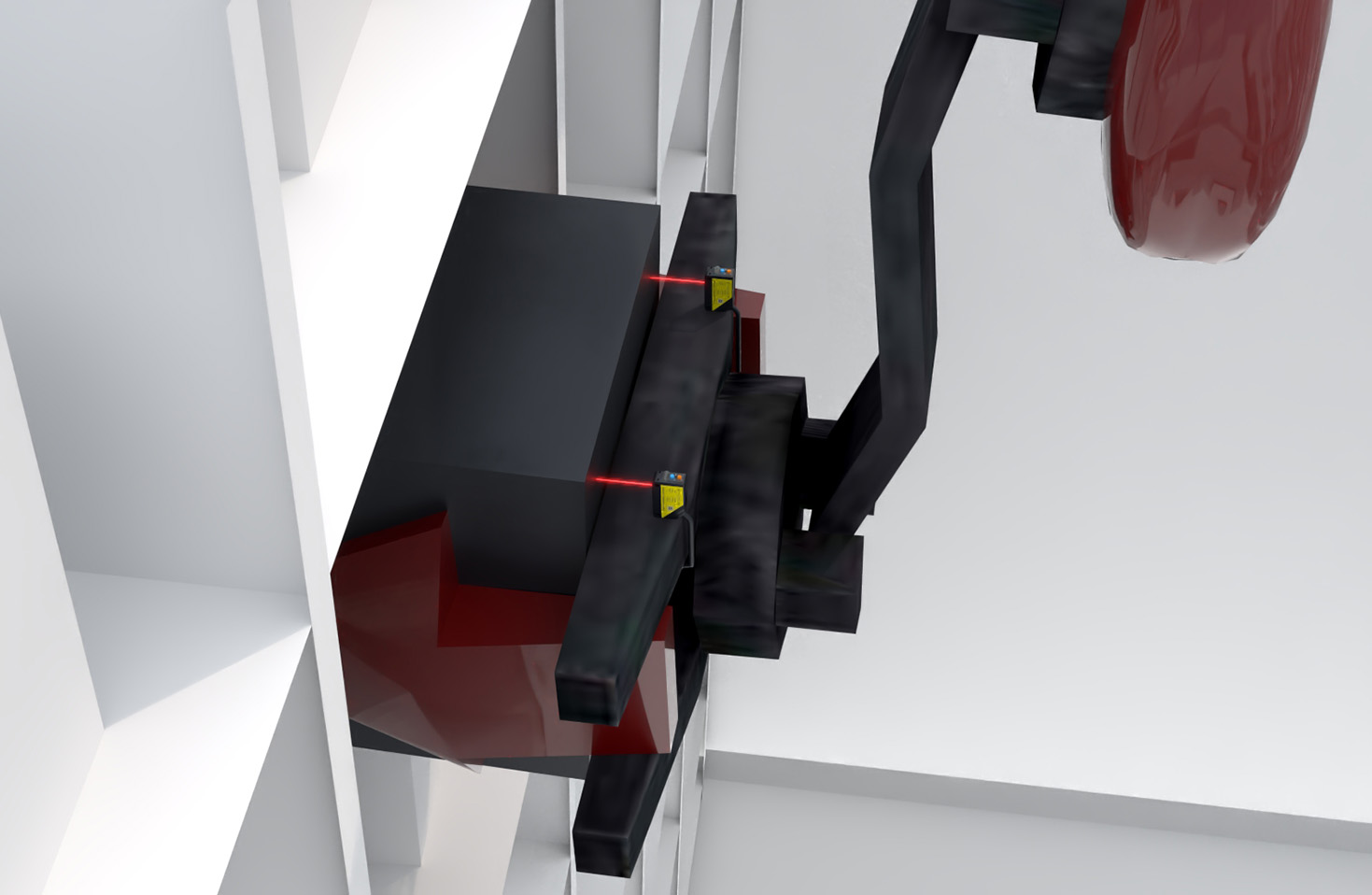
Beyond the measurement principle, several key specifications define a laser sensor's performance. Resolution refers to the smallest detectable change in distance. Accuracy indicates how close the measured value is to the true distance, often affected by environmental factors and target surface properties. Repeatability is the sensor's ability to consistently return the same reading for an unchanged distance. Sampling rate or response time is crucial for dynamic measurements on moving production lines. Engineers must carefully balance these parameters against application needs and cost constraints.
The choice of target surface significantly impacts performance. Ideal diffuse surfaces, like matte white material, provide a strong, scattered reflection. Specular or shiny surfaces can reflect the beam away from the detector, causing a loss of signal. Dark or absorptive materials reduce the intensity of the return signal. Many advanced laser sensors incorporate automatic exposure control or teach-in functions to adapt to different surface conditions, ensuring stable operation.
Integration into electrical systems is straightforward. Most industrial laser sensors provide standardized output interfaces. Analog outputs (0-10V, 4-20mA) offer continuous distance data to PLCs or data acquisition systems. Digital interfaces like RS-232, RS-485, or Ethernet/IP facilitate configuration and high-speed data transfer. Discrete I/O (PNP/NPN) are used for simple threshold switching, such as pass/fail inspection. Engineers must ensure proper electrical isolation, noise immunity, and compliance with laser safety classifications (Class 1 or Class 2 are typical for industrial sensors, indicating eye-safe operation under normal use).
In practice, laser distance sensors are revolutionizing numerous sectors. In automated guided vehicles (AGVs), they enable precise navigation and obstacle detection. In robotics, they provide critical feedback for bin-picking and assembly tasks. On production lines, they perform non-contact inspection of component heights, coplanarity, and presence. In logistics, they measure package dimensions for volumetric sorting.
When selecting and deploying a laser sensor, consider the operating environment. Ambient light, particularly direct sunlight, can interfere with the laser signal. Dust, steam, or vibration may also affect performance. Selecting sensors with robust housings (IP67 ratings are common), appropriate temperature ratings, and built-in environmental compensation algorithms is essential for reliable operation in harsh industrial settings.
In conclusion, laser distance sensors offer a powerful combination of precision, speed, and versatility for modern electrical engineering challenges. By understanding the underlying technologies—ToF versus triangulation—and carefully evaluating specifications against the specific demands of surface type, environment, and integration requirements, engineers can effectively harness this technology to enhance system accuracy, efficiency, and intelligence. As Industry 4.0 advances, the role of precise, data-rich sensing provided by laser technology will only become more central to automated and smart manufacturing ecosystems.