In the realm of industrial automation and machine design, the reliable detection of metallic objects is a fundamental requirement. Inductive proximity sensors are the workhorses for this task, offering non-contact, wear-free operation in harsh environments. However, the performance and longevity of these robust sensors are critically dependent on a component often overlooked: the mounting bracket. A well-designed bracket is not merely a mechanical holder; it is an integral part of the sensing system that ensures optimal functionality, protects the sensor, and simplifies maintenance.
The primary function of a mounting bracket for an inductive proximity sensor is to provide precise, secure, and stable positioning. The sensing distance of an inductive sensor, typically specified as the nominal sensing distance (Sn), is highly dependent on the alignment and distance to the target. A bracket must hold the sensor rigidly to prevent vibration-induced movement, which could cause false triggering or missed detections. Furthermore, brackets enable the sensor to be mounted in locations where direct installation is impossible due to space constraints or the need to protect the sensor from physical impact, welding spatter, or cutting fluids. Common bracket designs include straight mounting brackets, right-angle (L-shaped) brackets, adjustable brackets, and swivel or pivot brackets that allow for fine-tuning of the sensing angle after installation.

Material selection for brackets is a key engineering consideration. For most industrial applications, zinc-plated steel or stainless steel (such as 304 or 316 grade) is preferred. Steel offers high strength and durability, with zinc plating providing corrosion resistance for general factory environments. Stainless steel is essential for washdown areas in food & beverage or pharmaceutical applications, or in environments with high chemical exposure. In some non-critical, low-vibration applications, engineered plastics like PA (Nylon) or POM (Acetal) may be used for their inherent corrosion resistance and electrical insulation properties.
The design and selection process must account for several critical factors. First is the sensing field geometry. Inductive sensors have a frontal sensing field. Brackets, especially those made of metal, must be designed to avoid encroaching into this active area, as a metal bracket itself could be detected, effectively "shielding" the sensor and reducing its effective range. Manufacturers often specify minimum clearance distances from the sensor's face to any surrounding metal. Non-metallic brackets circumvent this issue entirely. Second is environmental protection. The bracket should complement the sensor's IP (Ingress Protection) or NEMA rating. A poorly designed bracket can create pockets where contaminants collect or allow liquid to drip directly onto the sensor's cable entry. Third is ease of installation and adjustment. Time is money on the factory floor. Brackets with slotted holes, integrated cable ties, or quick-release mechanisms can significantly reduce installation and replacement time. Adjustable brackets are invaluable during machine commissioning for achieving the perfect sensing position.
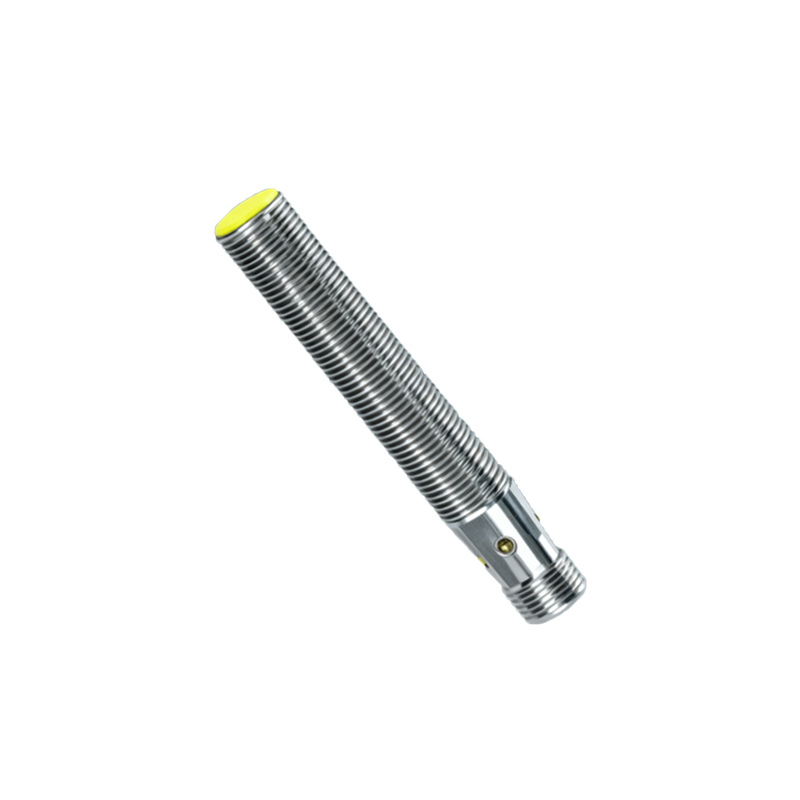
Best practices for implementation start with following the sensor manufacturer's mounting recommendations. Always ensure the bracket is securely fastened to a stable machine structure using appropriate hardware, typically locking washers to prevent loosening from vibration. Cable routing should be considered; brackets with integrated cable glands or strain relief features help protect the vulnerable connection point. For applications involving extreme vibration, additional damping materials or vibration-isolating mounting systems may be necessary. Regular inspection of brackets as part of preventive maintenance is advised to check for loose fasteners, corrosion, or physical damage that could compromise the sensor's position.
In conclusion, while the inductive proximity sensor itself captures the spotlight for its sensing capabilities, the mounting bracket is the unsung hero that guarantees its reliable operation. Selecting the correct bracket—considering material, design, environmental factors, and adjustability—is a critical engineering decision. A strategic investment in high-quality, appropriately specified mounting brackets minimizes downtime, reduces false trips, extends sensor life, and ultimately contributes to higher overall equipment effectiveness (OEE) in automated systems. It transforms a standalone component into a robust, integrated, and reliable sensing solution.