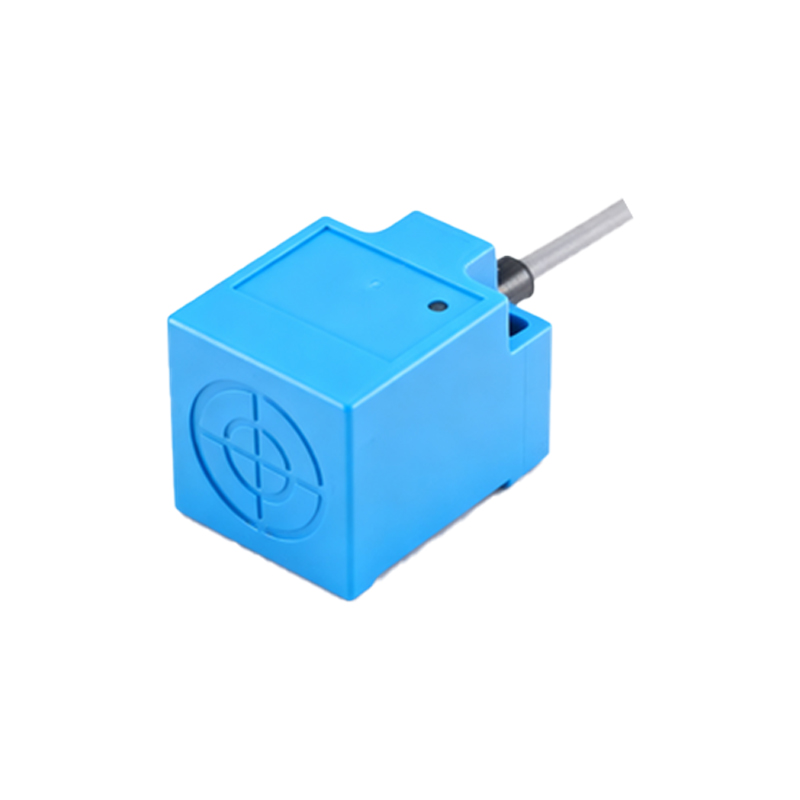
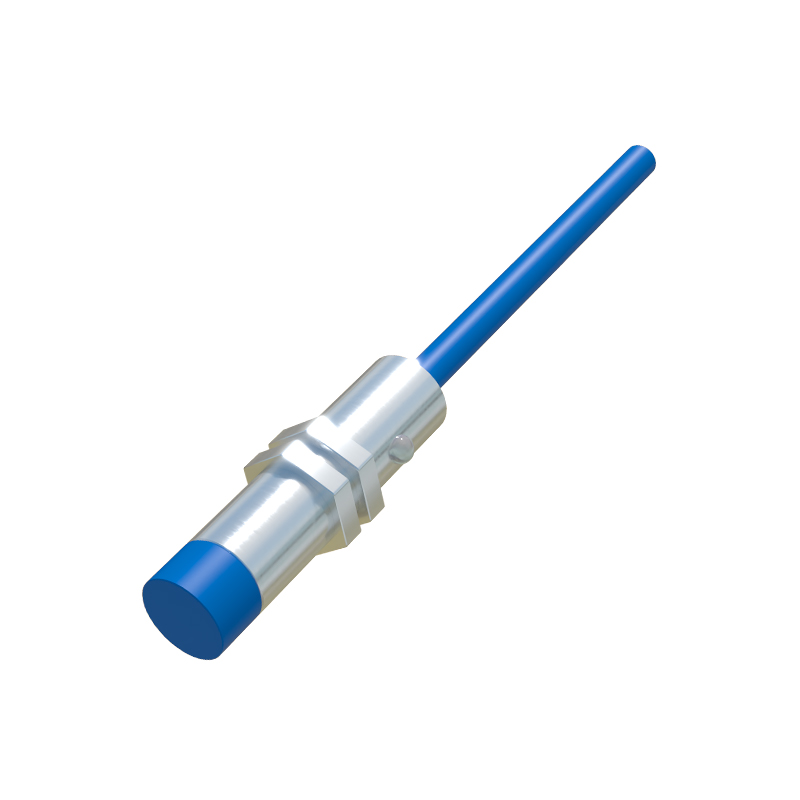
In the realm of industrial automation, the synergy between proximity sensors and servo motors forms a cornerstone of precision control and efficiency. Proximity sensors, as non-contact detection devices, play a pivotal role in monitoring position, presence, or absence of objects within their operational field. These sensors, including inductive, capacitive, and magnetic types, offer reliable performance in harsh environments where dust, moisture, or vibration might compromise other sensing technologies. For instance, inductive proximity sensors excel in detecting metallic objects without physical contact, making them ideal for assembly lines where rapid part detection is crucial. Their ability to provide real-time feedback ensures that machinery operates within specified tolerances, reducing downtime and preventing costly errors.
Servo motors, on the other hand, are the driving force behind precise motion control in automated systems. Unlike standard motors, servos incorporate feedback mechanisms—often facilitated by encoders or resolvers—to adjust position, speed, and torque with high accuracy. This closed-loop control allows servo motors to execute complex movements, such as those required in robotics, CNC machining, and packaging equipment. The integration of proximity sensors with servo systems enhances this precision further. For example, a proximity sensor can detect the exact position of a workpiece on a conveyor belt, sending a signal to a servo motor to initiate a pick-and-place operation. This seamless interaction minimizes latency and optimizes cycle times, leading to increased productivity.
The technical specifications of these components are critical for optimal performance. Proximity sensors are characterized by their sensing range, response time, and output type (e.g., PNP or NPN). A typical inductive sensor might have a range of up to 20 mm and a response time of less than 1 millisecond, ensuring swift detection in high-speed applications. Servo motors are rated by parameters like torque, speed, and inertia matching. Modern servos often feature brushless designs for reduced maintenance and higher efficiency, with torque ratings ranging from fractional horsepower to several hundred kilowatts. When selecting these components, engineers must consider factors such as environmental conditions, load requirements, and communication protocols (e.g., EtherCAT or PROFINET) to ensure compatibility within a networked automation system.
Applications of proximity sensor-servo motor combinations span diverse industries. In automotive manufacturing, they enable precise welding and painting by coordinating robot arm movements with part detection. In food processing, capacitive proximity sensors detect non-metallic containers, triggering servo-driven fillers to dispense accurate portions. The pharmaceutical sector relies on this duo for sterile packaging, where sensors verify seal integrity before servos actuate cutting mechanisms. Moreover, the advent of Industry 4.0 has amplified their importance through IoT connectivity. Smart sensors and servos can transmit diagnostic data to central controllers, enabling predictive maintenance and adaptive control strategies that reduce energy consumption and extend equipment lifespan.
Despite their advantages, challenges persist in implementing these technologies. Electromagnetic interference (EMI) from servo drives can affect sensor accuracy, necessitating proper shielding and grounding. Calibration drift over time may require periodic adjustments to maintain precision. However, advancements in digital signal processing and self-tuning algorithms are mitigating these issues. Future trends point toward miniaturization and enhanced intelligence, with sensors incorporating AI for anomaly detection and servos offering higher power density. As automation evolves, the collaboration between proximity sensors and servo motors will continue to drive innovation, ensuring robust and flexible industrial solutions.
In summary, the integration of proximity sensors and servo motors is indispensable for modern automation, offering unparalleled control and reliability. By understanding their principles and applications, engineers can design systems that meet the demands of today's dynamic industrial landscape.