Laser sensors are integral components in modern industrial automation, offering high precision for measurement, detection, and positioning tasks. However, like any sophisticated technology, they are susceptible to various operational issues that can impact performance and reliability. Understanding these common problems and implementing effective troubleshooting strategies is essential for maintaining optimal system functionality.
One prevalent issue is signal interference, which can arise from ambient light sources, such as sunlight or high-intensity factory lighting, or from other electromagnetic devices operating nearby. This interference often leads to inaccurate readings or false triggers. To mitigate this, ensure the sensor is equipped with appropriate optical filters or modulated light sources that distinguish the laser signal from background noise. Additionally, proper shielding and grounding of both the sensor and associated cabling can significantly reduce electromagnetic interference.
Another frequent challenge is contamination of the sensor lens. In industrial environments, dust, oil, moisture, or other particulates can accumulate on the optical surface, attenuating the laser beam and causing measurement errors. Regular maintenance, including cleaning the lens with approved solvents and soft materials, is crucial. For harsh conditions, selecting sensors with higher ingress protection (IP) ratings or installing protective enclosures can prevent contamination buildup.
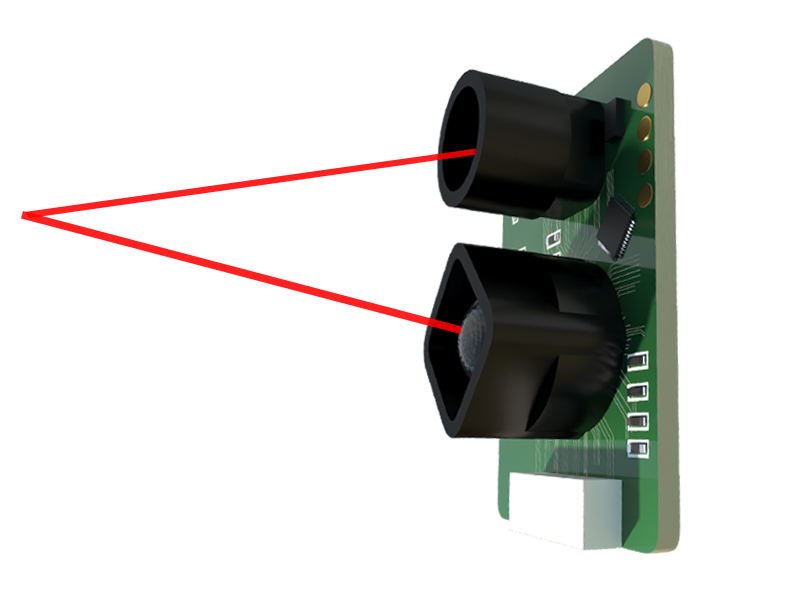
Alignment drift is also a common concern, particularly in applications involving vibration or thermal fluctuations. Over time, mechanical stress or temperature changes can cause misalignment between the laser emitter and receiver, leading to signal loss or inconsistent data. Periodic calibration and the use of robust mounting hardware designed to withstand environmental stressors are recommended. Some advanced sensors feature self-alignment or compensation mechanisms to counteract these effects automatically.
Electrical issues, such as power supply instability or incorrect wiring, can manifest as intermittent sensor failures or erratic behavior. Verify that the voltage and current specifications match the sensor requirements, and use stable, regulated power sources. Check all connections for corrosion, looseness, or damage, and ensure wiring follows manufacturer guidelines to avoid signal degradation. In networked systems, communication protocol mismatches or network congestion might also disrupt sensor output, necessitating configuration reviews and network diagnostics.
Software and configuration errors often underlie performance problems. Incorrect parameter settings—like threshold levels, response times, or output modes—can cause the sensor to operate outside intended parameters. Always refer to the user manual for initial setup and any adjustments. Firmware updates provided by manufacturers may address known bugs or enhance compatibility, so keeping the sensor software current is advisable.
Finally, component wear or aging can lead to gradual performance decline. Laser diodes, for instance, have finite lifetimes and may degrade in output intensity over extended use. Monitoring sensor health through diagnostic features or predictive maintenance schedules helps identify aging components before they fail completely. When degradation is detected, timely replacement ensures continuous operation without unexpected downtime.
In summary, proactive maintenance, correct installation, environmental control, and adherence to technical specifications are key to minimizing laser sensor issues. By systematically addressing interference, contamination, alignment, electrical, software, and aging-related problems, engineers can sustain high accuracy and reliability in industrial automation systems.