For industrial buyers and engineers in the Pearl River Delta (PRD), navigating the laser sensor market involves balancing technical specifications, reliability, and cost. Laser sensors, critical for precision measurement, positioning, and quality control in automation, electronics manufacturing, and logistics, vary widely in price. Understanding the factors behind these costs is essential for making informed procurement decisions.
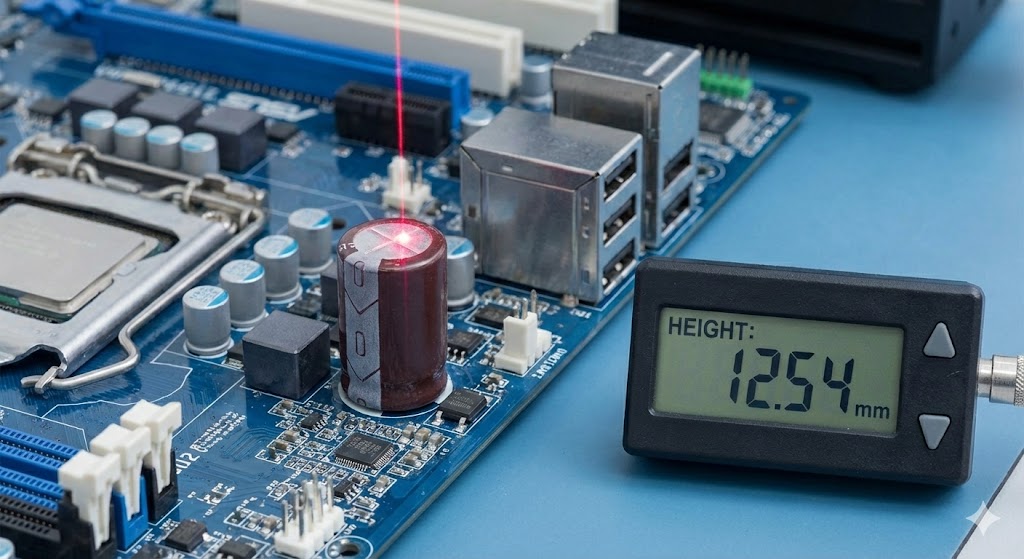
The price spectrum for laser sensors in Guangdong's manufacturing hubs like Shenzhen, Dongguan, and Guangzhou typically ranges from $50 for basic models to over $5,000 for high-end, specialized units. Several core factors drive this variation. First, measurement principle and type play a significant role. Standard diffuse-reflective sensors, used for simple object detection, are the most economical. In contrast, through-beam sensors, requiring separate transmitter and receiver units, cost more but offer longer ranges and higher reliability in harsh environments. The most expensive are often triangulation or time-of-flight (ToF) sensors, which provide sub-micron accuracy or long-distance measurement, essential for R&D and high-precision assembly lines.
Second, key performance parameters directly impact cost. Higher sensing distance, finer resolution (e.g., 0.1µm vs. 10µm), faster response time, and enhanced environmental ratings (IP67/IP69K for dust/water resistance) add to the price. A sensor rated for high-temperature factory floors or with robust resistance to optical interference (ambient light, reflective surfaces) will command a premium over a standard workshop model.
Third, brand and origin are major price determinants. Established international brands like Keyence, Omron, SICK, and Banner Engineering offer top-tier reliability, extensive support, and advanced features, with prices at the higher end. Japanese and German sensors, in particular, are associated with premium performance. Conversely, a growing number of competitive Chinese manufacturers, based in Shenzhen and Zhuhai, provide cost-effective alternatives. While initially cheaper, total cost of ownership must consider factors like longevity, calibration stability, and after-sales service. Many local suppliers now offer sensors with decent specifications for common applications, significantly undercutting imported prices.
Fourth, integration and support requirements affect final costs. A simple plug-and-play sensor has a clear base price. However, requirements for specific communication protocols (IO-Link, Ethernet/IP), custom mounting brackets, or proprietary software for configuration and data analysis add expenses. Sourcing from local distributors in the PRD often reduces lead time and may offer bundled technical support, which can be more valuable than a marginal online price difference.
For procurement specialists, strategic sourcing is key. Engaging directly with manufacturers at trade fairs like the China International Industry Fair in Shanghai or local electronics expos in Shenzhen can yield better pricing and customization options. Requesting samples for on-site testing under real operating conditions is highly recommended before bulk purchasing. Furthermore, consider the total application cost. A slightly more expensive sensor with higher durability and precision can reduce downtime and scrap rates, offering better long-term value than a cheaper, failure-prone unit.

The market is also seeing price trends influenced by technological integration. Sensors with built-in IoT connectivity for Industry 4.0 data collection are becoming more common, sometimes at a moderate price increment. Additionally, the localization of core components like laser diodes and CMOS detectors is gradually reducing manufacturing costs for domestic brands, making high-performance sensors more accessible.
In summary, the laser sensor quotation in the Pearl River Delta is a function of technology, performance, brand, and support. By thoroughly analyzing application needs—required accuracy, range, environmental conditions, and integration level—buyers can effectively benchmark prices from both international and local suppliers. The vibrant industrial ecosystem of Guangdong provides ample choice, but due diligence in technical evaluation and supplier vetting remains the cornerstone of a cost-effective and reliable procurement strategy.