In the intricate world of industrial automation and machine design, the ability to detect the presence, absence, or position of an object without physical contact is paramount. This is the domain of proximity sensors, a cornerstone technology that ensures efficiency, safety, and precision. Unlike mechanical limit switches, proximity sensors perform their function through an electromagnetic field, beam of light, or sound waves, offering unparalleled reliability and longevity by eliminating mechanical wear and tear.
At their core, proximity sensors are defined by their non-contact operation. They emit a field or signal and detect changes caused by a target object entering this field. The key output is a simple switching signal, indicating detection. This fundamental principle is applied through several distinct technologies, each suited to specific materials, environments, and sensing ranges.
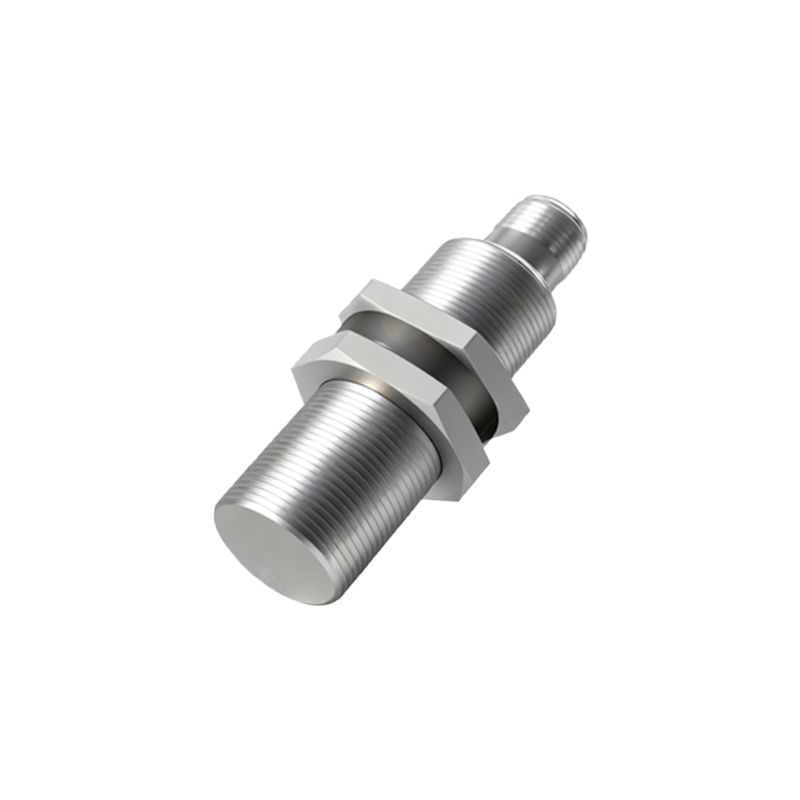
The most prevalent type is the inductive proximity sensor. These sensors generate an oscillating electromagnetic field. When a metallic object (the target) enters this field, it induces eddy currents on the metal's surface, which dampens the oscillation. The sensor's circuitry detects this damping and triggers a solid-state switch. Inductive sensors are exceptionally robust, ideal for harsh industrial environments with dust, oil, or coolant. They are, however, limited to detecting ferrous and non-ferrous metals, with typical sensing ranges from a few millimeters to about 60 millimeters.
For non-metallic objects, capacitive proximity sensors are the tool of choice. They function similarly but utilize a capacitive field sensitive to any material that alters the dielectric constant, including plastics, wood, liquids, powders, and even human skin. This makes them versatile for level detection of granular materials, presence sensing of glass or cardboard, and touch-sensitive interfaces. Their sensing range is generally shorter than inductive sensors and can be influenced by environmental factors like humidity.
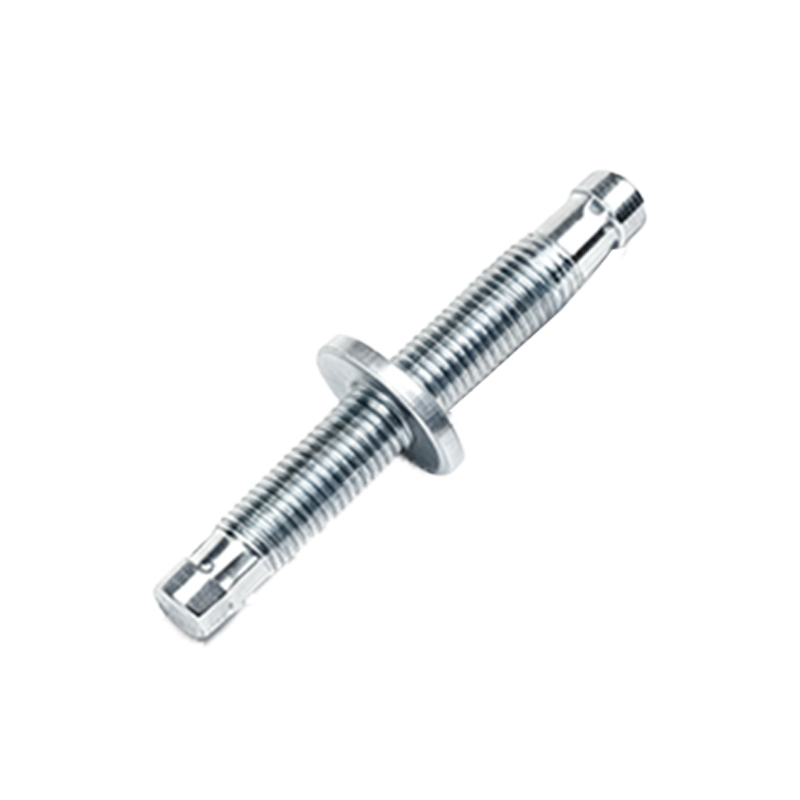
For longer-range detection and precise positioning, photoelectric sensors employ a beam of light, typically infrared, visible red, or laser. They operate in three main configurations: through-beam (separate emitter and receiver), retro-reflective (with a reflector), and diffuse (reflective), where the sensor itself emits and receives the reflected light from the target. Photoelectric sensors can detect objects of almost any material at distances from centimeters to tens of meters, but their performance can be affected by ambient light, color, and surface reflectivity.
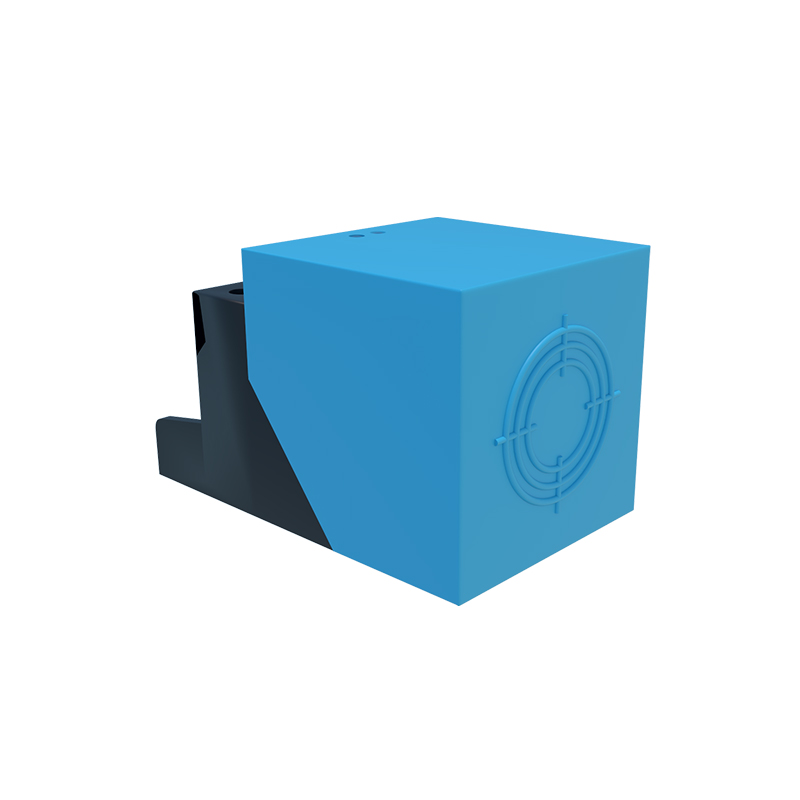
Ultrasonic sensors use sound waves beyond human hearing. They measure the time interval between emitting a sonic pulse and receiving its echo. This time-of-flight principle allows them to detect objects of any material, color, or transparency, and is excellent for measuring distance or controlling liquid levels. They perform well in dusty or steamy environments where photoelectric sensors might fail, though they can be influenced by temperature variations and soft, sound-absorbing materials.
Selecting the right proximity sensor requires careful consideration of several application parameters. The target material is the primary determinant: metal dictates inductive, non-metal suggests capacitive or photoelectric, and all materials work with ultrasonic. The required sensing distance must be within the sensor's nominal range, with a safety margin. Environmental conditions are critical; factors like washdowns, extreme temperatures, or heavy electromagnetic interference will dictate the sensor's housing material (often stainless steel or PBT plastic) and ingress protection (IP) rating. Finally, the electrical output must match the control system, with options ranging from standard DC 3-wire (PNP or NPN) configurations to analog outputs for distance-proportional signals and specialized IO-Link versions for smart, data-rich communication.
Modern advancements are pushing the boundaries of what proximity sensors can do. Miniaturization allows for installation in incredibly tight spaces. Increased intelligence via IO-Link enables not just switching but also the transmission of process data like sensor health, temperature, and precise measured values for predictive maintenance. Furthermore, the development of sensors with enhanced resistance to welding spatter and cutting fluids directly addresses the challenges of specific industries like automotive manufacturing and metalworking.
In conclusion, proximity sensors are the silent, reliable sentinels of modern industry. From counting bottles on a conveyor and ensuring a robot gripper is correctly positioned to safeguarding personnel by monitoring safety curtain boundaries, their applications are virtually limitless. A deep understanding of their operating principles—inductive, capacitive, photoelectric, and ultrasonic—empowers engineers to select the optimal device. This ensures not only the flawless operation of machinery but also contributes significantly to creating smarter, safer, and more efficient automated systems. The correct sensor choice is not merely a component selection; it is a fundamental engineering decision that impacts system performance, uptime, and total cost of ownership.