In the rapidly evolving landscape of industrial automation, proximity sensors stand as critical components, enabling precise detection, positioning, and control without physical contact. These devices, which utilize electromagnetic fields, infrared light, or ultrasonic waves to sense the presence or absence of objects, are integral to manufacturing, automotive, packaging, and robotics sectors. The global market for proximity sensors is driven by increasing demand for automation, safety enhancements, and efficiency improvements across industries. This article explores key companies leading the proximity sensor industry, their technological innovations, and market impact.
Among the foremost players is Sick AG, a German-based sensor manufacturer renowned for its high-precision inductive, capacitive, and photoelectric proximity sensors. Sick's products are celebrated for robustness in harsh environments, with applications ranging from factory automation to logistics. Their innovative offerings, such as the IM12 inductive sensor series, provide exceptional reliability in metal detection, contributing to reduced downtime in production lines.
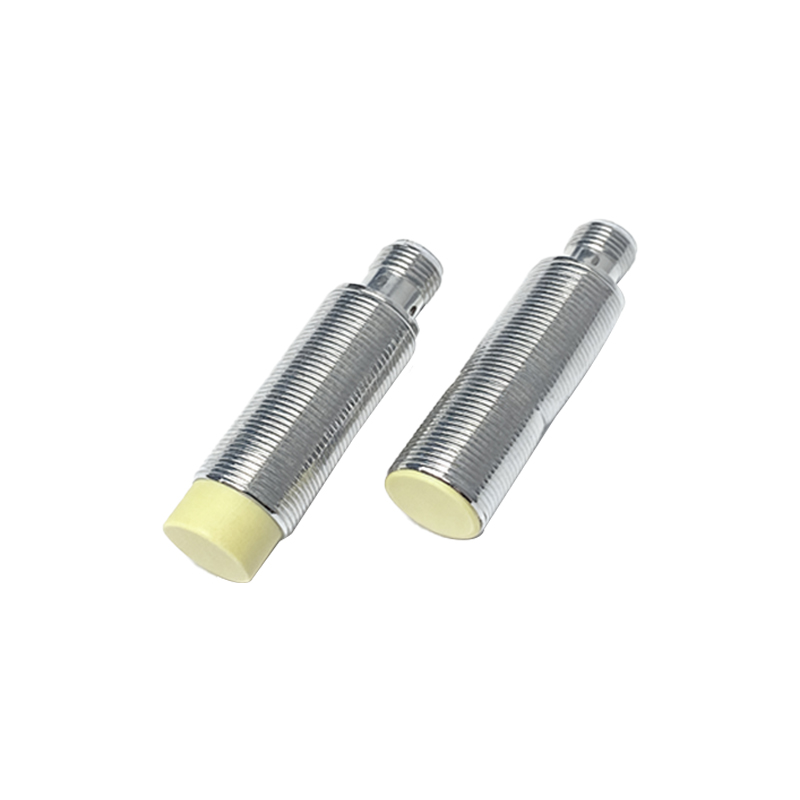
Another major contributor is Omron Corporation, a Japanese electronics giant with a strong foothold in industrial automation. Omron's proximity sensor portfolio includes compact, high-performance models like the E2E series, designed for space-constrained installations. The company emphasizes IoT integration, enabling sensors to communicate data for predictive maintenance and real-time monitoring, aligning with Industry 4.0 trends.
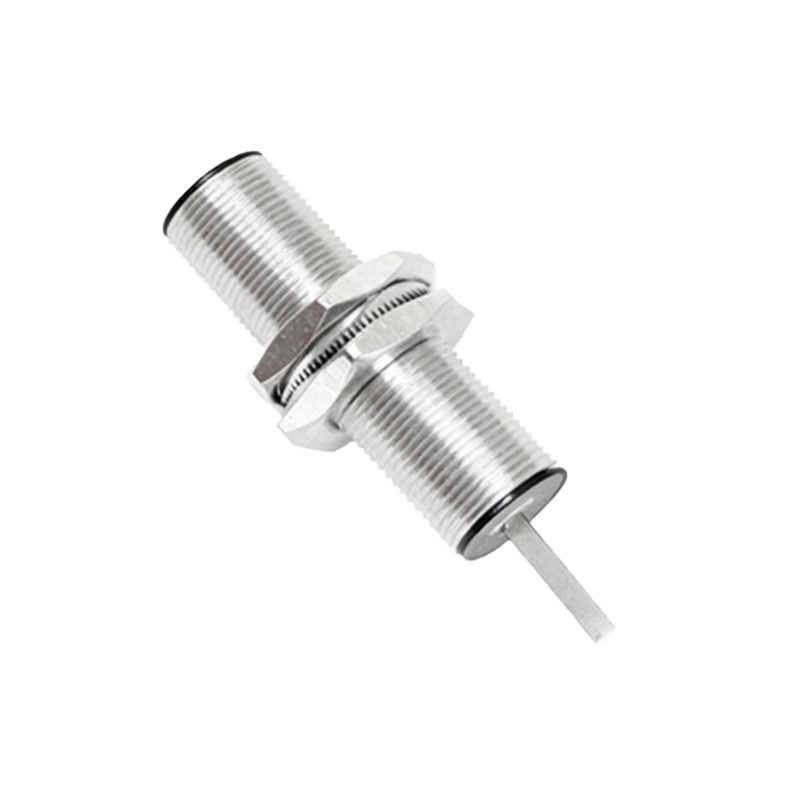
Balluff GmbH, based in Germany, excels in providing customized sensing solutions, particularly in automotive and machining industries. Their BALLUFF proximity sensors are known for durability and precision, with options like the BES series offering versatile mounting configurations. Balluff also focuses on connectivity, supporting IO-Link protocols to facilitate smart factory ecosystems.
In the United States, Rockwell Automation stands out through its Allen-Bradley brand, delivering proximity sensors that enhance machine safety and productivity. Products such as the 871F series are engineered for heavy-duty applications, featuring rugged housings and advanced diagnostics. Rockwell's emphasis on integrated control systems allows seamless sensor integration into broader automation networks.
Pepperl+Fuchs, a German specialist in sensor technology, offers a comprehensive range of inductive and capacitive proximity sensors. Their innovative designs, like the NBB series, provide high switching frequencies and resistance to electromagnetic interference, making them ideal for packaging and material handling. The company also prioritizes global support and application expertise.
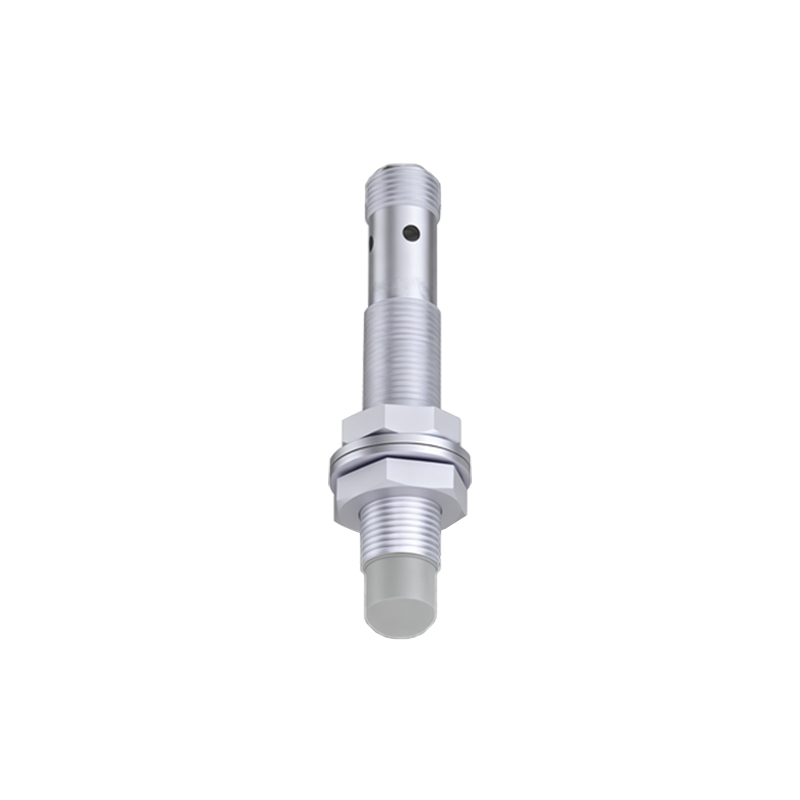
Emerging trends in the proximity sensor market include miniaturization, enhanced sensing ranges, and smart capabilities. Companies are investing in R&D to develop sensors with embedded intelligence, such as self-diagnostic features and wireless connectivity. Environmental sustainability is another focus, with efforts to reduce energy consumption and use eco-friendly materials.
Challenges faced by the industry include intense competition, price pressures, and the need for standardization across platforms. However, opportunities abound with the growth of autonomous vehicles, renewable energy systems, and smart infrastructure, where proximity sensors play a vital role in obstacle detection and process control.
In conclusion, proximity sensor companies are pivotal to advancing industrial automation, driven by innovation and adaptability. Leaders like Sick, Omron, Balluff, Rockwell Automation, and Pepperl+Fuchs continue to shape the future with cutting-edge technologies, ensuring efficiency, safety, and sustainability in global operations. As industries evolve, these firms are poised to meet emerging demands, solidifying their positions in the competitive market.