In the intricate dance of modern automation, where machines perform with precision and intelligence, there exist silent, unseen sentinels. These are sensors and proximity switches, the fundamental components that bridge the physical world with the digital realm of control systems. Their primary role is to detect, measure, and report, providing the essential data that allows automated processes to function reliably, safely, and efficiently. Without these devices, the sophisticated interplay of robotics, assembly lines, and smart systems would simply cease to exist.
At its core, a sensor is a device that detects and responds to a specific type of input from the physical environment. This input could be light, heat, motion, moisture, pressure, or any one of a vast array of other environmental phenomena. The output is generally a signal that is converted into a human-readable display or transmitted for further processing. Sensors are the analog of human senses, granting machines the ability to 'see,' 'feel,' 'hear,' and 'smell' their surroundings. For instance, a temperature sensor in a chemical plant acts as a continuous monitor, ensuring processes stay within safe thermal limits, while a photoelectric sensor on a packaging line verifies the presence of a label on every bottle.
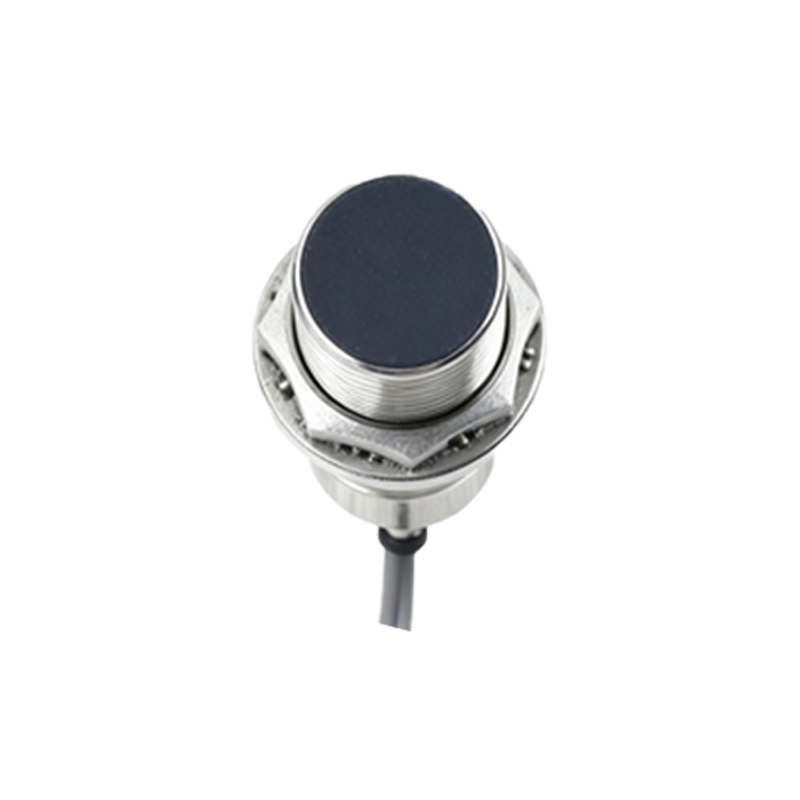
Proximity switches, a specialized and critical category of sensors, deserve particular attention. Unlike their broader sensor cousins, a proximity switch has a singular, focused mission: to detect the presence or absence of a nearby object without any physical contact. This non-contact operation is its defining characteristic, leading to exceptional reliability, long service life, and high-speed response—attributes vital in harsh industrial environments. There are several primary types, each based on a different physical principle. Inductive proximity switches detect metallic objects by generating an electromagnetic field. Capacitive variants can detect both metallic and non-metallic materials, such as plastics, liquids, or wood, by sensing changes in capacitance. Ultrasonic proximity switches use sound waves to measure distance to an object, and photoelectric switches employ a beam of light.
The applications of these technologies are virtually limitless, permeating every sector of industry and daily life. In automotive manufacturing, an array of inductive proximity switches ensures robotic welders are precisely positioned before a spark is ignited, safeguarding both equipment and product quality. Within a modern warehouse, photoelectric sensors guide autonomous mobile robots, preventing collisions and optimizing navigation paths. In the consumer realm, the automatic faucet in a public restroom uses a capacitive or infrared sensor to initiate water flow, promoting hygiene and conservation. Even the humble smartphone is packed with sensors—an accelerometer for screen orientation, a proximity sensor to turn off the display during a call, and an ambient light sensor to adjust brightness.
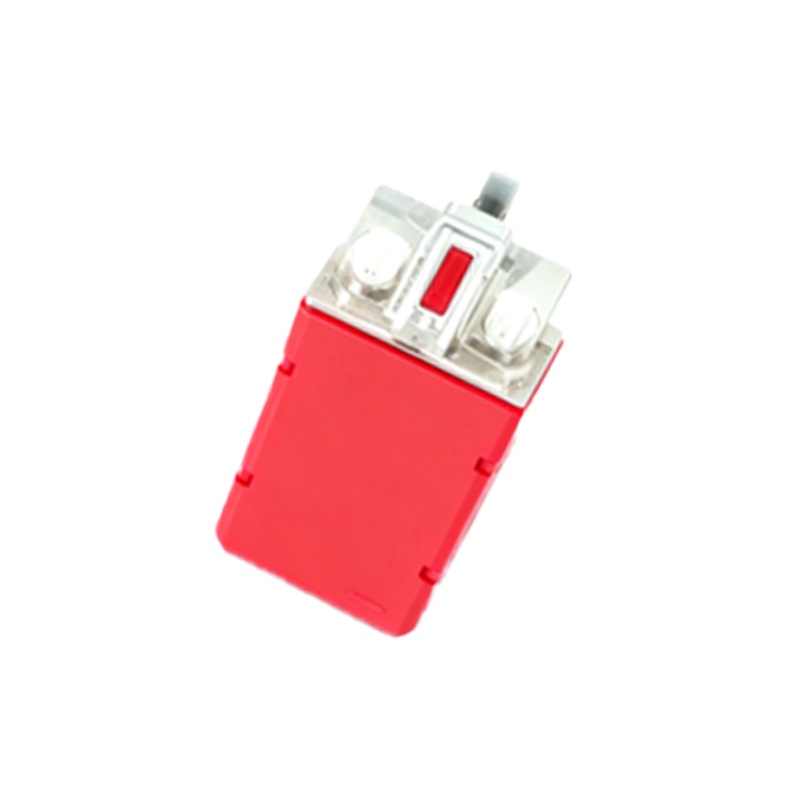
The advantages of implementing these devices are profound. The foremost is enhanced safety. Machine guards equipped with safety-rated light curtains or laser scanners create an invisible barrier, instantly halting equipment if a worker breaches the zone, preventing catastrophic injuries. Efficiency sees a massive boost through precision and speed. A proximity switch can detect a component on a conveyor at rates far exceeding human capability, triggering subsequent actions like sorting, stamping, or assembly with millisecond accuracy. This leads directly to reduced waste, consistent product quality, and higher throughput. Furthermore, the data collected by networks of sensors forms the backbone of predictive maintenance and Industry 4.0 initiatives, allowing operators to address potential machine failures before they cause downtime.
Selecting the right sensor or proximity switch is a nuanced decision. Engineers must consider the nature of the target object (metal, plastic, liquid), the required sensing distance, the environmental conditions (temperature extremes, dust, moisture, vibration), the required output signal type (digital on/off or analog), and the necessary response speed. Installing a high-precision laser sensor in a dusty, vibrating mill environment would be a recipe for failure, just as using a slow-responding mechanical limit switch on a high-speed bottling line would create bottlenecks.
Looking ahead, the evolution of sensors and proximity switches is tightly coupled with trends in miniaturization, connectivity, and intelligence. The rise of the Industrial Internet of Things (IIoT) sees sensors becoming smarter, with embedded microprocessors that allow for self-diagnosis, condition monitoring, and direct communication over industrial Ethernet or wireless protocols. This shift transforms them from simple data collectors into intelligent nodes within a larger, data-driven ecosystem. Furthermore, advancements in materials science are leading to sensors capable of operating in even more extreme conditions and detecting subtler phenomena.
In conclusion, sensors and proximity switches are far more than mere electronic components. They are the indispensable enablers of automation, the critical link that allows machines to perceive and interact with the world. From ensuring the safe operation of heavy machinery to enabling the convenience of smart homes, these invisible guardians work tirelessly in the background. Their continued development and integration will remain a cornerstone of technological progress, driving forward the frontiers of efficiency, safety