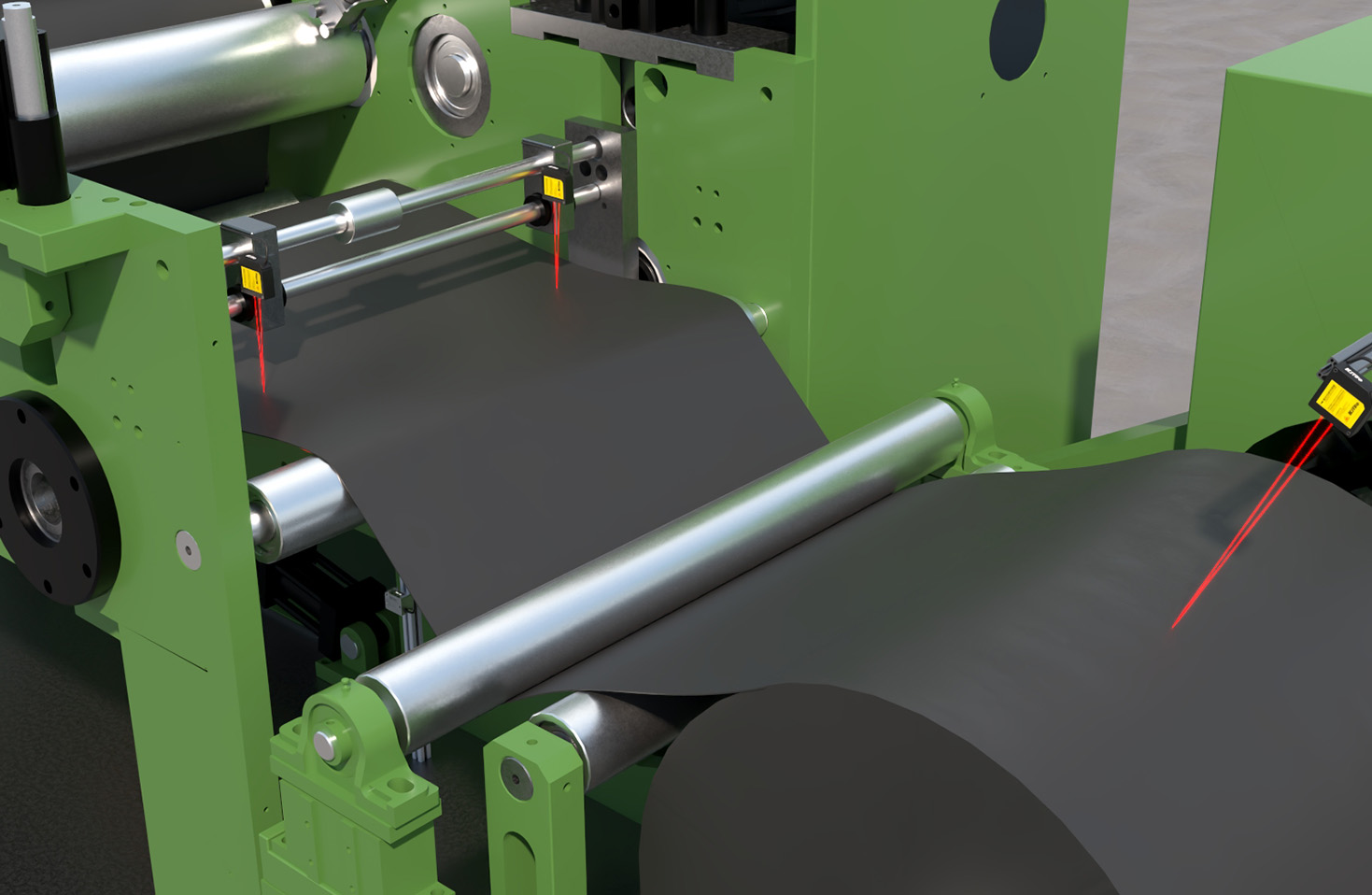
In the rapidly evolving landscape of electrical engineering and industrial automation, laser diameter sensors have emerged as a cornerstone technology for non-contact precision measurement. These sophisticated devices utilize laser triangulation or time-of-flight principles to accurately gauge the diameter of wires, cables, optical fibers, and various cylindrical components with micron-level resolution. Unlike traditional contact-based methods such as calipers or micrometers, laser sensors eliminate mechanical wear, deformation risks, and operator-dependent errors, ensuring consistent data integrity in high-speed production environments.
The core operational principle of a modern laser diameter sensor involves projecting a collimated laser beam onto the target object. A high-resolution CMOS or CCD array captures the shadow or reflected light pattern, and advanced onboard processors calculate the diameter by analyzing the geometric profile. This process occurs in real-time, often at sampling rates exceeding 10 kHz, enabling continuous monitoring and instantaneous feedback for process control systems. For electrical applications, this is particularly critical in the manufacturing of insulated conductors, where maintaining precise outer diameter (OD) and concentricity directly impacts electrical performance, insulation integrity, and compliance with international standards like IEC and ASTM.
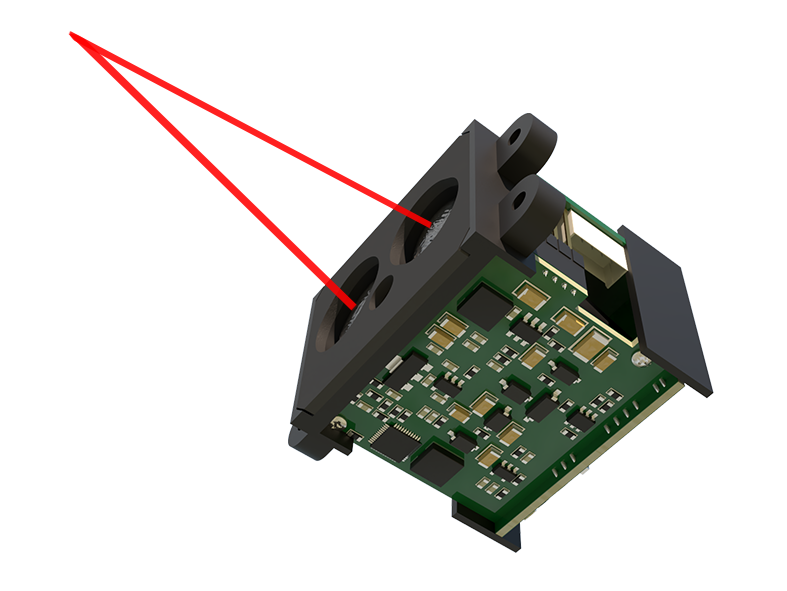
Recent technological advancements have significantly enhanced sensor capabilities. The integration of blue laser diodes, for instance, offers superior performance on challenging materials such as shiny copper wires or dark, textured insulation jackets by reducing speckle noise and improving edge detection. Furthermore, modern sensors incorporate environmental compensation algorithms to mitigate the effects of ambient temperature fluctuations and vibrational interference, which are common in industrial settings. Embedded Ethernet/IP, PROFINET, and Modbus TCP interfaces facilitate seamless integration into Industry 4.0 frameworks, allowing for centralized data logging, predictive maintenance, and real-time SPC (Statistical Process Control) analysis.
In practical electrical engineering scenarios, laser diameter sensors are deployed across various stages. During wire extrusion, they provide closed-loop control for extruder screws and haul-off units, minimizing material waste and ensuring uniform insulation thickness. In cable stranding and bunching operations, sensors monitor the composite diameter to guarantee geometric consistency. Additionally, in final quality inspection, they perform 100% inline verification, flagging deviations beyond tolerance limits and preventing defective products from reaching the market. The non-contact nature also makes these sensors ideal for measuring hot or delicate materials post-annealing or curing without risk of damage.
Looking forward, the convergence of laser measurement with AI-driven image processing and IoT connectivity is set to redefine precision metrology. Smart sensors capable of autonomous calibration and adaptive learning will further reduce setup times and enhance measurement accuracy for complex profiles. As the demand for miniaturized electronic components and high-frequency cables grows, the role of laser diameter sensors in upholding stringent quality standards will only become more pivotal. For engineers and technicians, mastering the selection, integration, and data interpretation of these sensors is now an essential competency in driving efficiency, innovation, and reliability in electrical manufacturing and beyond.