Proximity sensors are vital components in modern industrial automation, offering non-contact detection of metallic and non-metallic objects. Proper installation is crucial to ensure reliable operation, longevity, and accuracy in diverse environments such as manufacturing lines, robotics, and material handling systems. This guide outlines key considerations and step-by-step procedures for installing inductive, capacitive, and ultrasonic proximity sensors.
First, select an appropriate sensor type based on the application. Inductive sensors detect metallic objects, capacitive sensors handle non-metallic materials like plastics or liquids, while ultrasonic sensors are suitable for distance measurement and detecting various materials. Verify the sensor’s specifications, including sensing range, output type (e.g., NPN/PNP), voltage rating, and environmental ratings (IP67 or higher for harsh conditions).
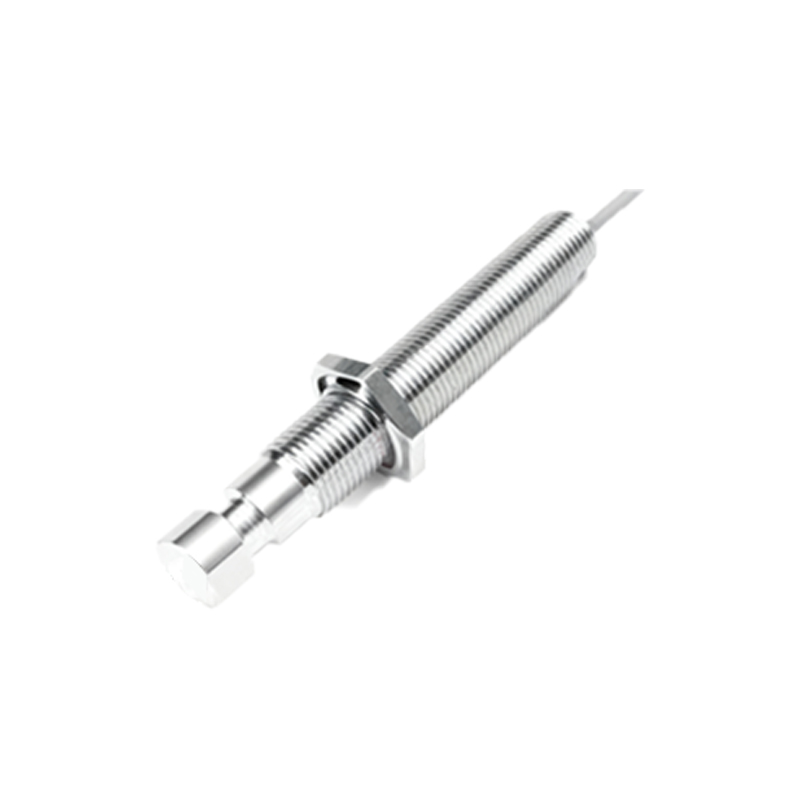
Before installation, de-energize the electrical system to prevent shocks or damage. Mount the sensor securely using brackets or threaded housings, ensuring it is aligned parallel to the target object. Maintain the recommended sensing distance—typically 50% to 80% of the rated range—to account for environmental factors like temperature fluctuations or target material variations. Avoid mounting near sources of electromagnetic interference (EMI), such as motors or high-voltage cables, which can cause false triggering. For cylindrical sensors, use locknuts to prevent loosening from vibrations.
Wiring must follow manufacturer guidelines and local electrical codes. Connect the power supply (e.g., 10-30V DC) and load (e.g., PLC input) correctly, matching wire colors to terminals. Shielded cables are advisable in high-noise environments to minimize interference. After wiring, perform a functional test by introducing a target object within the sensing range. Use indicator LEDs (if available) to verify detection and adjust sensitivity potentiometers as needed. For capacitive sensors, calibrate sensitivity to ignore background materials, while ultrasonic sensors may require tuning for ambient temperature or air density changes.
Regular maintenance includes inspecting for physical damage, cleaning lenses or faces with non-abrasive materials, and checking mounting stability. Document installation details, such as alignment and settings, for future troubleshooting. By adhering to these practices, engineers can optimize sensor performance, reduce downtime, and enhance system safety in industrial setups.