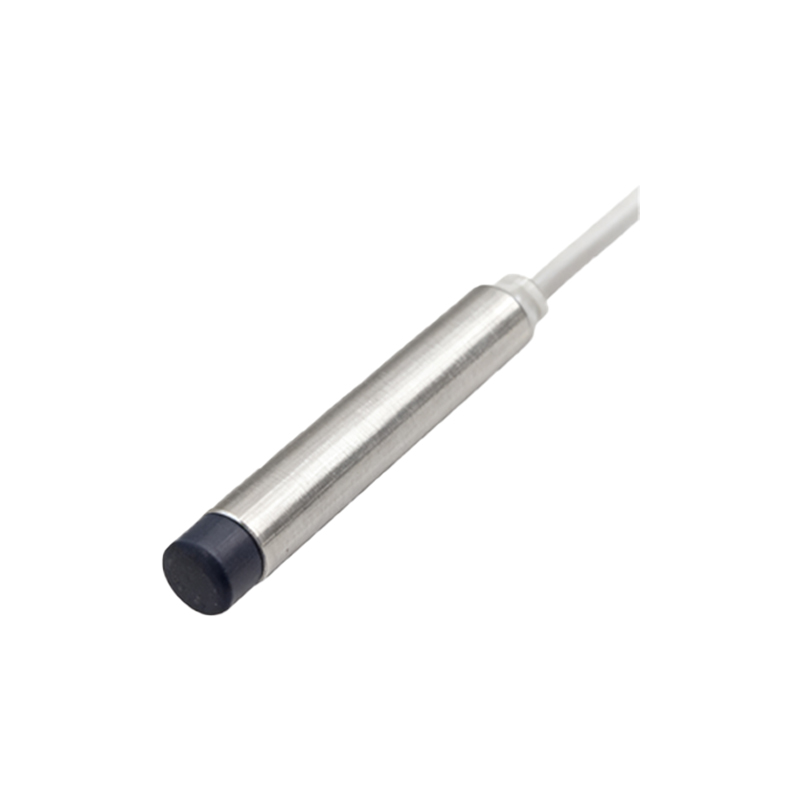
In the realm of industrial automation and precision measurement, laser proximity sensors have emerged as a cornerstone technology. These devices offer unparalleled accuracy, reliability, and versatility for non-contact detection and ranging. Unlike traditional inductive or capacitive sensors, laser proximity sensors utilize a focused beam of light to determine the presence, absence, or distance of an object. This fundamental principle enables them to perform in environments and applications where other sensing technologies fall short.
The core operating principle of a laser proximity sensor is based on the time-of-flight (ToF) or triangulation method. In the ToF approach, the sensor emits a short pulse of laser light towards a target. A high-speed receiver within the sensor then detects the reflected light. By precisely measuring the time interval between the emission and reception of the laser pulse, the sensor's internal processor calculates the distance to the object with extreme accuracy. Triangulation-based sensors, often used for very short ranges and high precision, project a laser spot onto the target. The reflection is captured by a receiver at a known angle; the position of the reflected spot on the receiver's sensor array changes with the target's distance, allowing for precise calculation.
The advantages of laser proximity sensors are numerous. They provide exceptional measurement resolution, often down to the micrometer level. Their response time is extremely fast, making them ideal for high-speed production lines. The focused laser beam allows for precise detection of small objects and can be used over significant distances, from a few millimeters to several hundred meters, depending on the model. Furthermore, they are largely unaffected by the target material's color, reflectivity (within specified limits), or environmental factors like ambient light, thanks to modulated laser signals and advanced filtering algorithms.
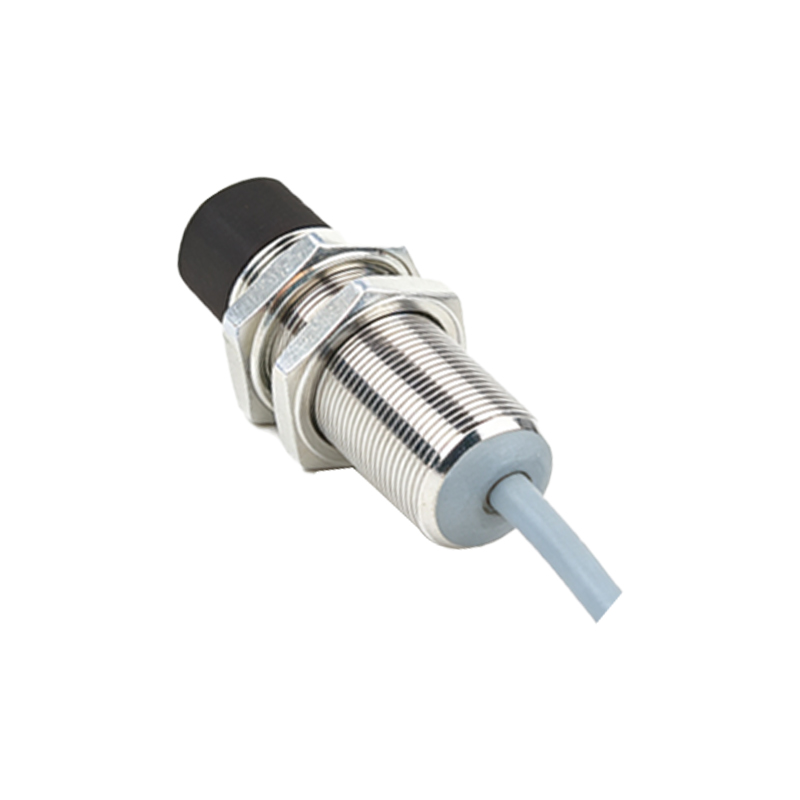
Typical applications span across diverse industries. In automotive manufacturing, they are used for robot guidance, part presence verification, and gap measurement. In electronics assembly, they ensure precise component placement on circuit boards. Within the packaging industry, they control fill levels, detect label positions, and count products on conveyor belts. Logistics and warehousing utilize them for palletizing, dimensioning, and automated guided vehicle (AGV) navigation. Their role in quality control is indispensable, performing tasks like thickness measurement, warp detection, and surface inspection.
Selecting the appropriate laser proximity sensor requires careful consideration of several key parameters. First, define the required sensing range and the desired resolution or repeatability. Consider the target characteristics: its size, surface texture (highly reflective, matte, transparent), and potential color variations. The operating environment is critical; factors such as temperature extremes, humidity, dust, vibration, and exposure to chemicals will dictate the necessary ingress protection (IP) rating and housing material. Output type is another decision point; common options include analog (4-20 mA, 0-10 V), discrete (PNP/NPN), and digital interfaces (IO-Link, Ethernet/IP). Finally, form factor and mounting options must align with the spatial constraints of the application.
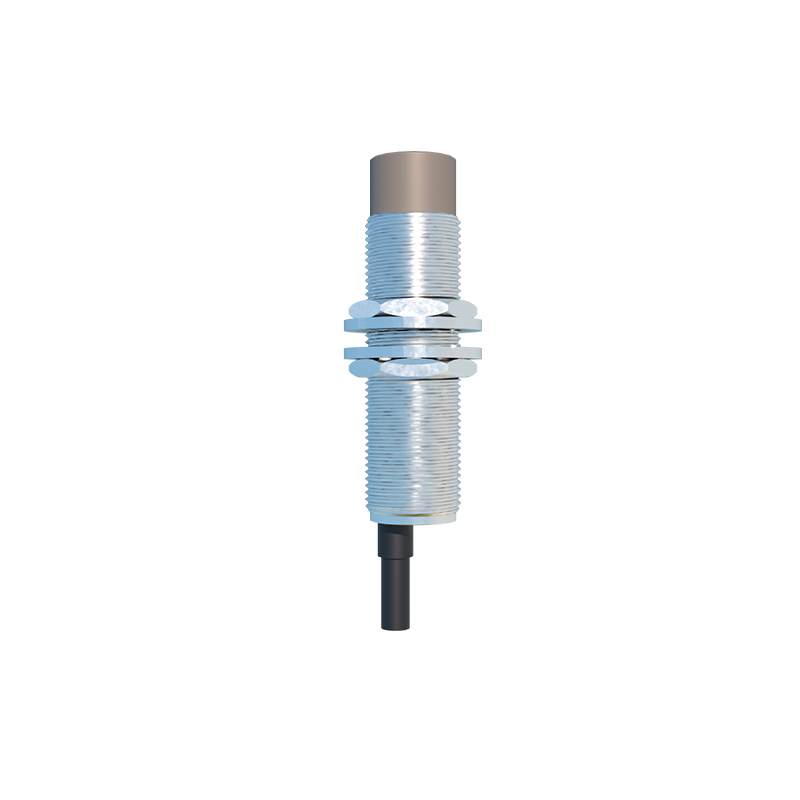
Installation and maintenance are straightforward but vital for optimal performance. Ensure the sensor is securely mounted to minimize vibration. The laser beam must be aligned correctly with the target. Regular cleaning of the lens is essential to prevent dust or debris from attenuating the signal. Most modern sensors feature built-in diagnostics and teach-in functions via push buttons or software, simplifying setup and troubleshooting.
In conclusion, laser proximity sensors represent a sophisticated and essential tool for modern industrial systems. Their ability to deliver precise, non-contact measurements under challenging conditions drives efficiency, quality, and automation. By understanding their operating principles, strengths, and selection criteria, engineers and technicians can effectively harness this technology to solve complex sensing challenges and enhance operational performance across countless applications. As technology advances, we can expect these sensors to become even more compact, intelligent, and integrated into the Industrial Internet of Things (IIoT) ecosystem.