In the world of industrial automation and smart electronics, proximity sensors play a crucial role in enabling non-contact detection of objects. Among the various types available, sensors designated with the "SN" model prefix or series have become widely recognized for their reliability and specific performance characteristics. This article delves into the technology behind SN proximity sensors, their common applications, and key factors for selecting the right model for a project.
Proximity sensors, at their core, are devices that detect the presence or absence of an object within a certain range without any physical contact. They achieve this by emitting an electromagnetic field or a beam of electromagnetic radiation and then looking for changes in the field or return signal. SN series sensors typically refer to a family of inductive proximity sensors. Inductive sensors are specifically designed to detect metallic objects. They operate on the principle of electromagnetic induction. The sensor's oscillator circuit generates a high-frequency electromagnetic field that radiates from the ferrite core at the sensing face. When a metallic object enters this active field, eddy currents are induced on the surface of the object. This causes a load on the oscillator, leading to a reduction in its oscillation amplitude. This change is detected by the sensor's threshold circuit, which subsequently triggers a change in the output state (switching the output ON or OFF).
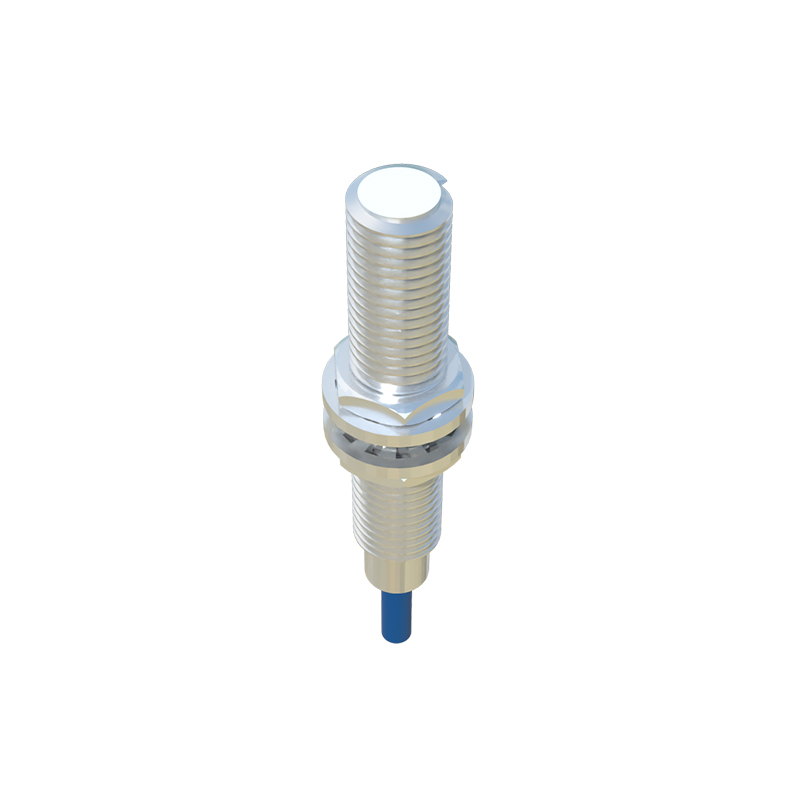
The "SN" designation often implies a standardized form factor and set of electrical characteristics. Common features include a cylindrical housing, such as M8, M12, M18, or M30 threaded barrels, which are industry-standard sizes for easy installation. They are typically available in both shielded (flush-mountable) and unshielded (non-flush mountable) versions. Shielded sensors can be mounted flush in metal without affecting their sensing range, while unshielded types offer a longer sensing distance but require a non-metallic surrounding. The output from these sensors is usually a digital switch signal, with options for NPN (sinking) or PNP (sourcing) transistor outputs, and sometimes Normally Open (NO) or Normally Closed (NC) configurations. Voltage ratings are commonly 10-30V DC, making them compatible with standard programmable logic controller (PLC) and industrial control voltages.
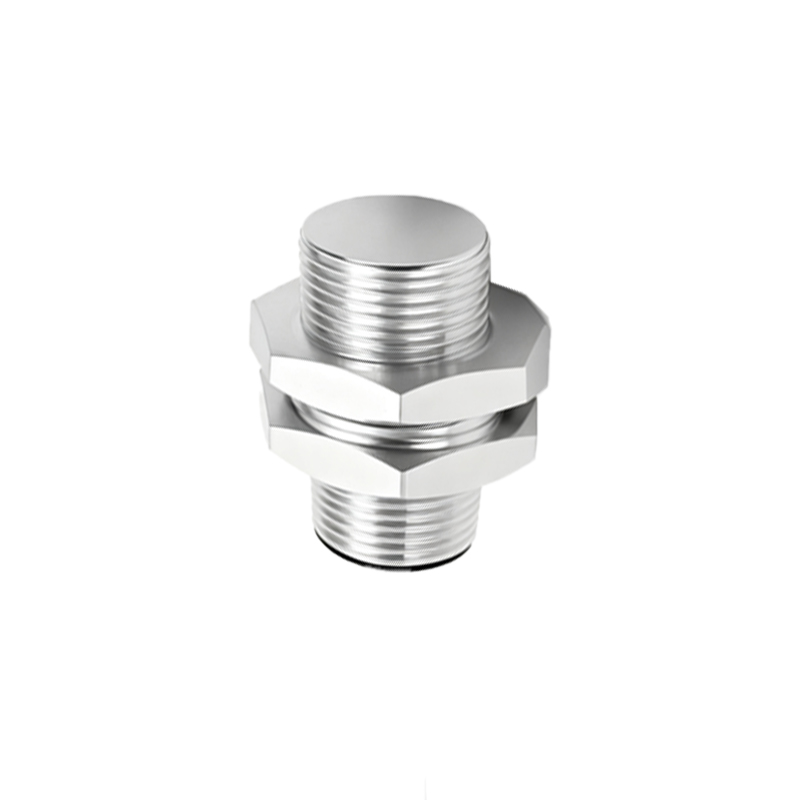
The applications for SN inductive proximity sensors are vast and span numerous industries. In manufacturing and assembly lines, they are used for precise part detection, counting, and position verification. For instance, they can confirm if a metal component is present in a fixture before a robotic arm proceeds with a welding operation. They serve as end-of-travel limit switches in automated machinery, providing a reliable signal when a moving part reaches its designated position. In material handling, they detect the presence of metal pallets or containers on conveyors. Beyond heavy industry, they find use in consumer appliances, vending machines (for coin detection), and automotive systems for gear position sensing.
When selecting an SN proximity sensor for a specific application, several critical parameters must be considered. First is the sensing distance, or nominal range, specified for the sensor. It is crucial to note that this rated distance is defined for a standard target (usually a square of mild steel). Different metals will result in a reduction factor; for example, aluminum may reduce the effective sensing distance to about 40-50% of the rated value. The second factor is the housing material and size. The environment dictates this choice; sensors in harsh conditions may require stainless steel housings or those with high IP (Ingress Protection) ratings like IP67 or IP69K for resistance to dust and water. The electrical output type (NPN/PNP) must match the input requirements of the controller. Other considerations include the switching frequency (how fast the sensor can detect objects passing by), temperature range, and whether a pre-wired connector or a quick-disconnect cable is needed.
Installation and maintenance are straightforward but require attention to detail. Ensuring the correct mounting, with proper clearance from other metal objects as per the sensor's specifications, is essential to avoid false triggering. Regular cleaning of the sensing face to remove dirt, oil, or metal shavings will maintain optimal performance. While robust, these sensors can be damaged by physical impact or excessive voltage, so integrating them with appropriate circuit protection is advisable.
In summary, SN series proximity sensors represent a mature and vital technology for object detection in automated systems. Their non-contact operation, durability, and fast response make them indispensable in modern industrial control. By understanding their operating principle, standard features, and key selection criteria, engineers and technicians can effectively integrate these components to enhance machine efficiency, safety, and reliability. As automation continues to evolve, the fundamental role of reliable proximity sensing, exemplified by the SN series, remains firmly entrenched.