In the intricate world of industrial automation and control systems, the question of "what type of device is a proximity sensor?" is fundamental. A proximity sensor is a non-contact sensing device designed to detect the presence or absence of an object within its specified sensing range without any physical contact. It falls squarely under the broader category of sensors or, more specifically, position sensors. These are critical components within the larger ecosystem of industrial automation equipment, acting as the digital "eyes" of a control system by providing vital input data to Programmable Logic Controllers (PLCs), robotics, and other machinery.
The core principle of a proximity sensor is to emit a field or beam of electromagnetic radiation (like an infrared light or an electromagnetic field) and then look for changes in the field or return signal. This operational methodology distinguishes it from contact-based limit switches. The primary classification of proximity sensors is based on their underlying technology, each suited for different materials and applications.
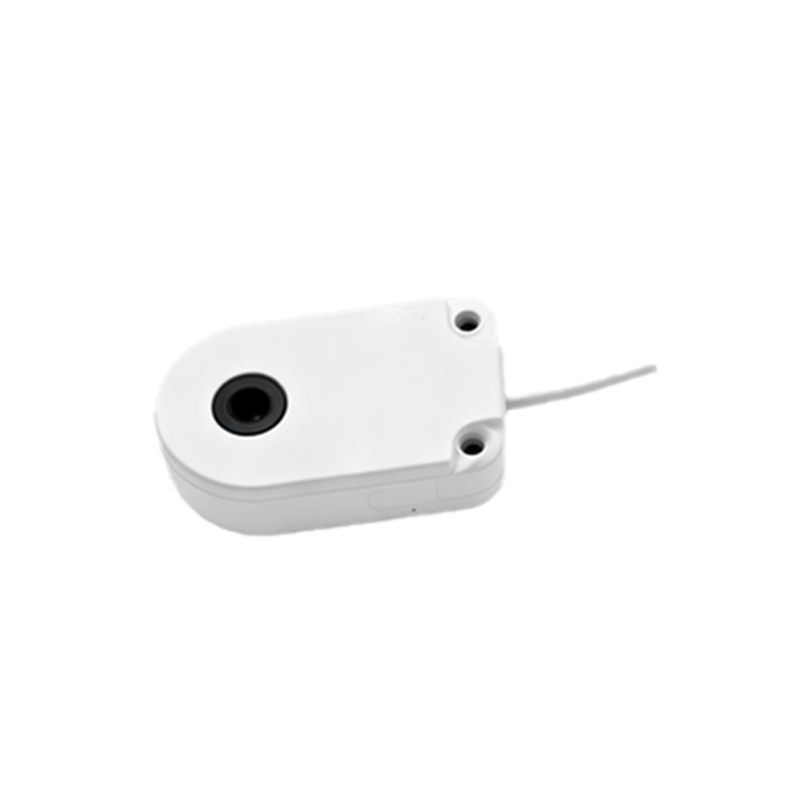
The most prevalent type is the Inductive Proximity Sensor. This device generates an oscillating electromagnetic field from its sensing face. When a metallic object (ferrous or non-ferrous) enters this field, it induces eddy currents within the object, causing a change in the oscillation amplitude. The sensor's internal circuit detects this change and triggers a solid-state switch. Inductive sensors are workhorses in manufacturing, used for tasks like counting metal parts, detecting piston position in cylinders, or ensuring machine tool positioning. They are robust, reliable, and unaffected by dust, oil, or non-metallic debris.
For detecting non-metallic objects, Capacitive Proximity Sensors are employed. These sensors function by generating an electrostatic field. Any object that enters this field, be it plastic, wood, liquid, powder, or even a human hand, alters the capacitance of the system. This change is measured, and the sensor switches accordingly. This makes them ideal for level detection in tanks (liquids or granules), material handling for plastics, and detecting filled containers on a conveyor line. Their sensitivity can often be adjusted, but they can be influenced by environmental factors like humidity.
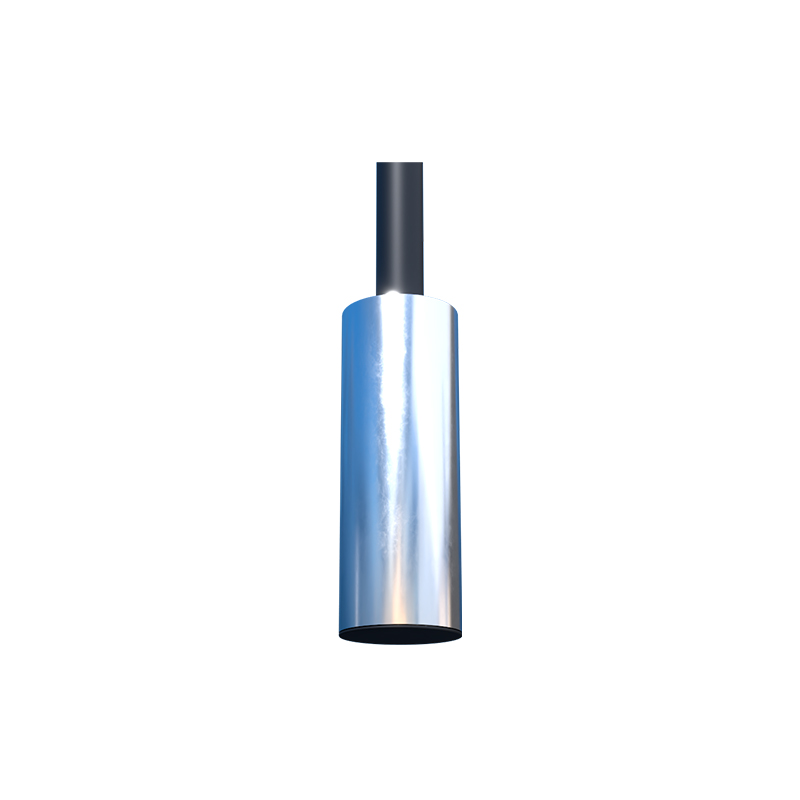
Ultrasonic Proximity Sensors utilize sound waves beyond the human hearing range. They emit ultrasonic pulses and measure the time taken for the echo to return. The time-of-flight calculation allows them to detect objects and often measure distance (analog output). These sensors are excellent for detecting objects of virtually any material, shape, or color, including transparent glass or liquid levels. They are commonly used in packaging, collision avoidance for AGVs (Automated Guided Vehicles), and palletizing systems, though they can be affected by temperature variations and soft, sound-absorbing materials.
Photoelectric Sensors, while sometimes categorized separately, serve a similar non-contact proximity role. They use a light beam (visible red, infrared, or laser) and detect its presence, absence, or reflection to sense an object. Through-beam, retro-reflective, and diffuse (proximity) modes offer various sensing ranges and configurations for diverse applications, from detecting tiny components on a PCB to long-range detection on a warehouse conveyor.
The output of a proximity sensor is typically a discrete on/off signal (PNP or NPN sourcing/sinking), making it a direct input for digital control logic. Some advanced models provide analog current or voltage outputs proportional to distance. As a device, it is characterized by key specifications: sensing distance (rated and practical), repeatability, response frequency (how fast it can switch), housing material (often nickel-plated brass or stainless steel), and output configuration.
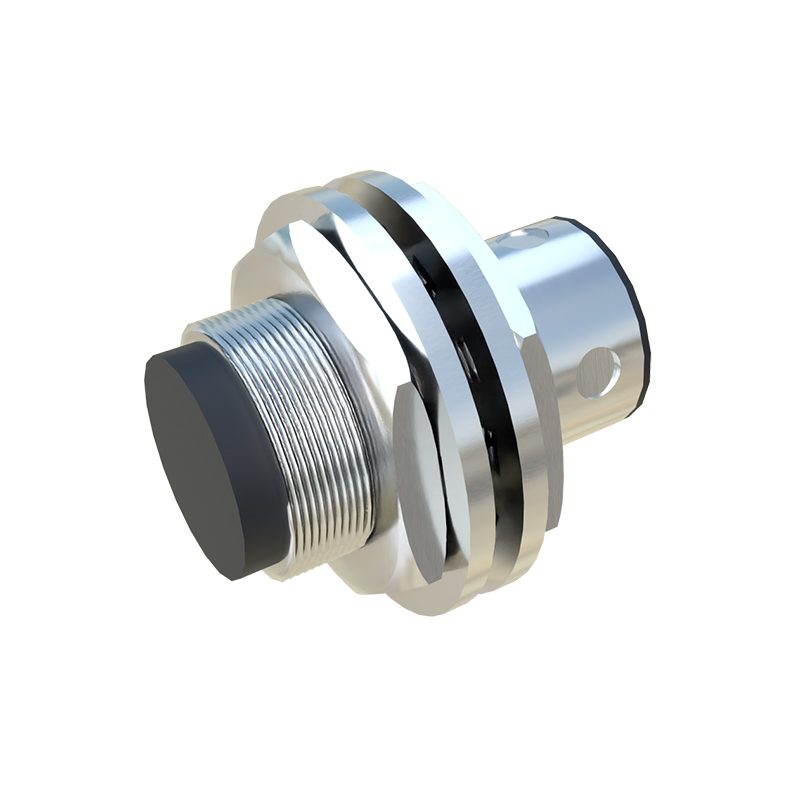
In summary, a proximity sensor is not an actuator or a controller; it is a specialized input device or sensing device. Its role is purely informational—to convert the physical parameter of "object presence/absence/distance" into a reliable, electrically usable signal. By integrating seamlessly into automated systems, from simple assembly stations to complex robotic cells, proximity sensors provide the essential feedback necessary for precise, efficient, and safe operation. Their non-contact nature ensures minimal wear and tear, high operational speed, and longevity, solidifying their status as indispensable components in modern industrial equipment. The choice between inductive, capacitive, ultrasonic, or photoelectric types depends entirely on the target material, environmental conditions, and required performance, highlighting the sensor's versatility as a foundational device in automation.