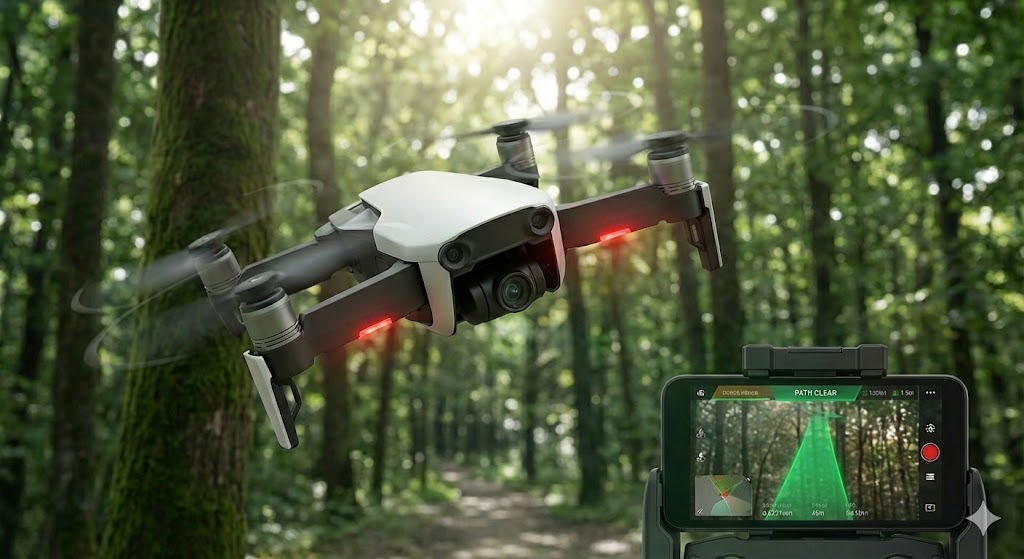
In the rapidly evolving landscape of security technology, laser sensors have emerged as a cornerstone for sophisticated theft prevention systems. Unlike traditional infrared or microwave sensors, laser-based systems offer unparalleled precision, reliability, and versatility, making them indispensable for protecting high-value assets, critical infrastructure, and sensitive perimeters. This article delves into the operational principles, key advantages, and diverse applications of modern laser sensors in security contexts.
At its core, a laser-based intrusion detection system operates by projecting an invisible, highly focused beam of light—typically from a laser diode—across a monitored zone. This beam is directed towards a photodetector or a retroreflector. Any object interrupting this beam path causes a measurable drop in the received light intensity, triggering an immediate alarm signal. Advanced systems utilize modulated or pulsed laser beams, which are encoded with specific frequencies. This modulation technique significantly enhances immunity to ambient light interference, such as sunlight or artificial lighting, and dramatically reduces the rate of false alarms—a common pitfall of older sensor technologies.
The superiority of laser sensors for security applications is rooted in several distinct advantages. First is their exceptional range and accuracy. Laser beams exhibit very low divergence, meaning they can travel long distances—often hundreds of meters—without significant spreading. This allows for the protection of vast areas, such as warehouse perimeters, airport boundaries, or industrial compounds, with a minimal number of sensor units. Second is their high spatial resolution. The narrow beam creates a precise "tripwire" effect, enabling the system to distinguish between a genuine intrusion and small animals or blowing debris, depending on the sensitivity settings. Third, laser sensors are highly adaptable. They can be configured in various setups: as a single transmitter-receiver pair for a straight line, in a fence-like array of multiple parallel beams to create a "laser fence," or with reflective mirrors to cover complex, non-linear paths around obstacles.
Integration is another critical strength. Modern laser intrusion sensors are designed with connectivity in mind. They feature standard output relays (NO/NC) and support communication protocols like RS-485, Ethernet, or even wireless IoT frameworks. This allows for seamless integration into larger Building Management Systems (BMS) or Security Operations Centers (SOC). When a breach is detected, the sensor can not only sound a local alarm but also send instant notifications via email or SMS, activate CCTV cameras to pan and zoom to the incident location, and lock down relevant access points—all automated through programmable logic controllers (PLCs) or security software.
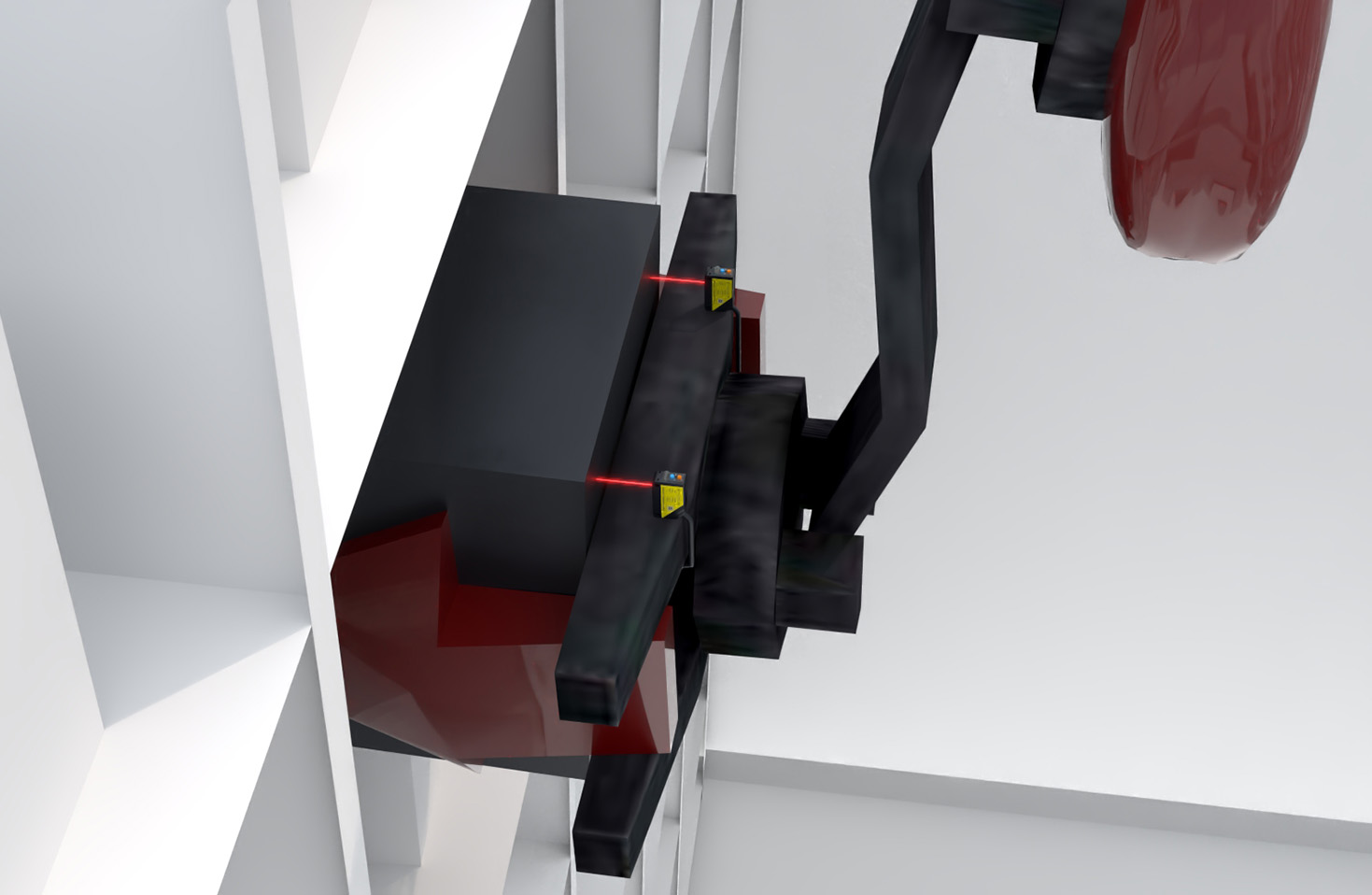
Applications for laser theft prevention systems are extensive. In the commercial sector, they safeguard retail stores, museums, and data centers by protecting windows, skylights, and ventilation shafts. In industrial settings, they secure outdoor storage yards, fuel depots, and the perimeters of manufacturing plants. Critical infrastructure like power substations, water treatment facilities, and communication hubs rely on laser fences as a first line of defense. Furthermore, their immunity to radio frequency interference makes them ideal for use in environments with heavy machinery or other electronic equipment.
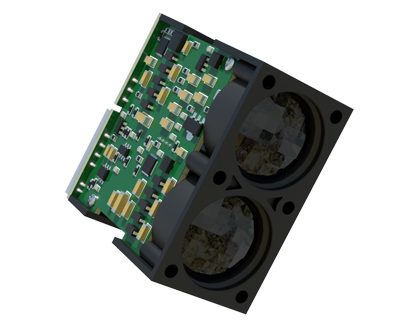
Installation and maintenance are straightforward but require careful planning. Sensors must be mounted on stable surfaces to prevent misalignment from vibration or thermal expansion. Regular lens cleaning is necessary to ensure optimal performance, though many models now feature self-monitoring capabilities that alert users to lens contamination or deliberate blocking attempts. When selecting a system, key specifications to consider include operating range, beam type (visible or invisible), response time, ingress protection (IP) rating for outdoor use, and the available power supply options.
In conclusion, laser sensor technology represents a significant leap forward in physical security. By offering a combination of long range, pinpoint accuracy, environmental robustness, and smart integration capabilities, laser-based systems provide a proactive and reliable solution for deterring and detecting unauthorized access. As threats become more sophisticated, the role of advanced laser sensors in comprehensive, multi-layered security strategies will only continue to grow, offering peace of mind to security professionals and asset owners alike.