In the dynamic landscape of industrial processing, mixers play a pivotal role across sectors from pharmaceuticals and food production to chemicals and construction materials. The integration of proximity sensors into these systems represents a critical advancement in operational intelligence, moving beyond basic agitation to a realm of precise, automated control. These non-contact detection devices are fundamental to modernizing mixer safety protocols, optimizing process efficiency, and ensuring consistent product quality.
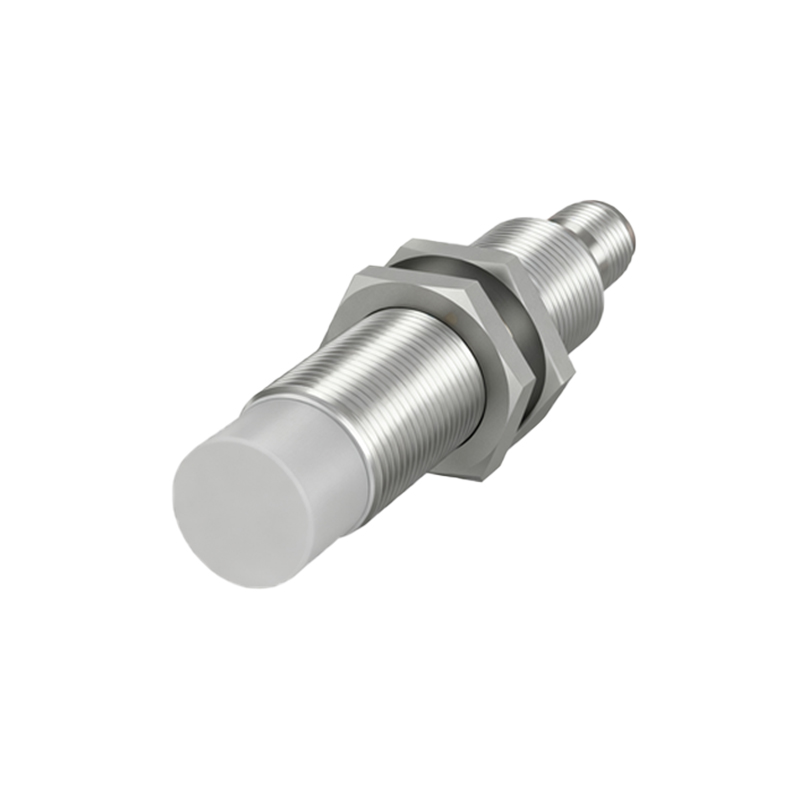
At its core, a proximity sensor in a mixer application is designed to detect the presence or absence of a target object without physical contact. Common types include inductive sensors for metallic targets (like a mixer blade or shaft) and capacitive sensors capable of detecting materials like liquids, powders, or non-metallic vessel components. Their primary function is to provide real-time, reliable feedback to the mixer's Programmable Logic Controller (PLC) or main control system. This feedback loop is the cornerstone of automated sequencing. For instance, a sensor can confirm that a discharge valve is fully closed before the mixing cycle initiates, preventing costly and hazardous material leaks. Similarly, sensors can verify the correct positioning of access hatches or guards, ensuring they are securely latched before the high-torque agitator is energized—a non-negotiable safety interlock.
The safety benefits are profound. Modern industrial mixers often operate at high speeds with significant kinetic energy. Proximity sensors act as vigilant sentinels, forming part of safety-rated interlock systems. If a maintenance panel is opened during operation, a strategically placed sensor immediately signals the control system to cut power to the drive motor, mitigating the risk of catastrophic injury. This aligns perfectly with global safety standards such as ISO 13849 and IEC 62061, which mandate functional safety in machinery design. Beyond personnel safety, these sensors protect the equipment itself. Detection of abnormal vibration via sensor-monitored shaft position or the confirmation of bearing alignment prevents minor issues from escalating into major mechanical failures, reducing unplanned downtime and extending asset life.
From an efficiency and process control standpoint, proximity sensors are indispensable for repeatability and precision. In batch mixing, consistent cycle time is key. Sensors automate steps like "ingredient present" verification. A capacitive sensor can detect the fill level of a powder hopper above the mixer, ensuring raw material is available before feeding commences, thus avoiding incomplete batches. For continuous mixers, sensors monitor the position of rotary valves or feeder screws, providing data crucial for maintaining the exact material throughput required by the recipe. This level of control minimizes waste, ensures batch-to-batch consistency, and enhances overall equipment effectiveness (OEE).
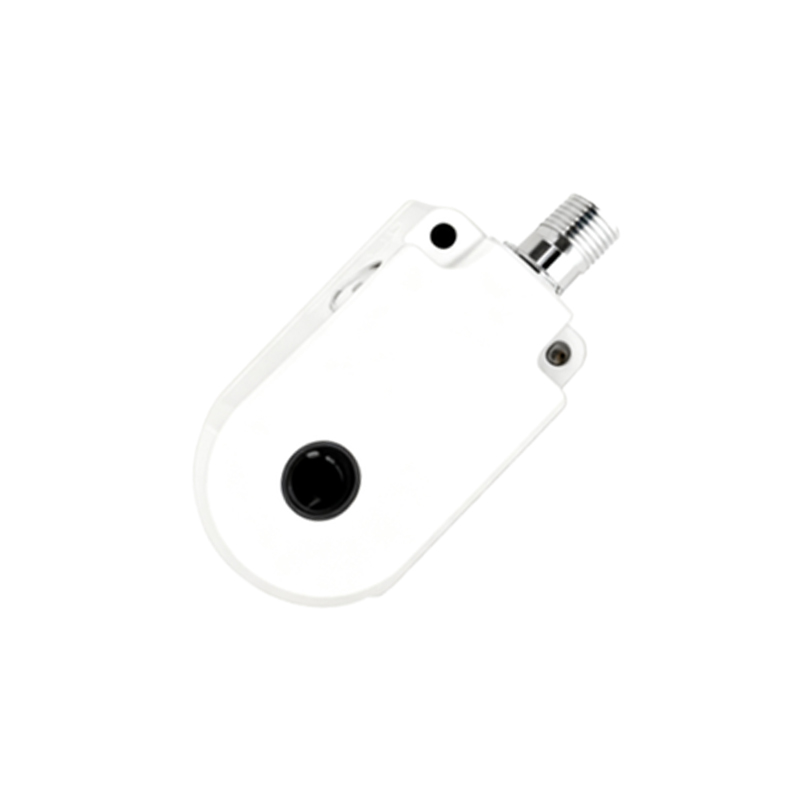
Installation and selection require careful engineering consideration. Factors such as the sensor's sensing distance, temperature rating (especially important for mixers with heating/cooling jackets), chemical resistance to cleaning agents or process materials, and immunity to electrical noise from variable frequency drives (VFDs) are paramount. Inductive sensors must be selected with an appropriate factor (e.g., a factor of 1 for steel) to account for the target material's properties. Mounting location is also critical; sensors must be positioned where they can reliably detect the target without interference from buildup of product material, which is a common challenge in mixing applications. Regular preventive maintenance, including cleaning lens or sensing faces and checking mounting integrity, is essential for long-term reliability.
The future of proximity sensing in mixers is intertwined with Industry 4.0. Next-generation sensors with IO-Link capability not only provide a simple on/off signal but also transmit rich diagnostic data—such as operating temperature, signal strength, and remaining service life—directly to supervisory systems. This enables predictive maintenance strategies. A trend of decreasing signal strength from a bearing housing sensor, for example, could indicate mounting loosening or buildup, allowing intervention before a fault occurs. This data integration transforms the mixer from an isolated unit into a node in a smart, connected factory.
In conclusion, proximity sensors are far more than simple switches in industrial mixer systems. They are essential components that bridge mechanical action with electronic control, creating a safer working environment, enabling precise and efficient processes, and paving the way for data-driven operational intelligence. Their correct specification, installation, and integration are hallmarks of a well-engineered, modern mixing solution that prioritizes safety, quality, and productivity in equal measure.