In the realm of industrial automation and control systems, proximity magnetic sensors stand as fundamental components for non-contact detection and position sensing. These robust and reliable devices operate on the principle of detecting changes in a magnetic field, typically generated by a permanent magnet or an electromagnet. Unlike optical or capacitive sensors, magnetic proximity sensors excel in harsh environments where contaminants like dust, oil, or moisture are present, making them indispensable in manufacturing, automotive, and material handling applications.
The core working principle involves a sensing element, often a reed switch or a Hall-effect integrated circuit. When a ferromagnetic target (such as a steel gear tooth, a machine part, or a magnet attached to a moving object) enters the sensor's active magnetic field, it disturbs the field. This disturbance is detected and converted into an electrical signal, usually a solid-state ON/OFF switch or a proportional analog output. Hall-effect sensors, in particular, generate a voltage proportional to the magnetic field strength, enabling not just presence detection but also precise measurement of position, speed, and direction of rotation.
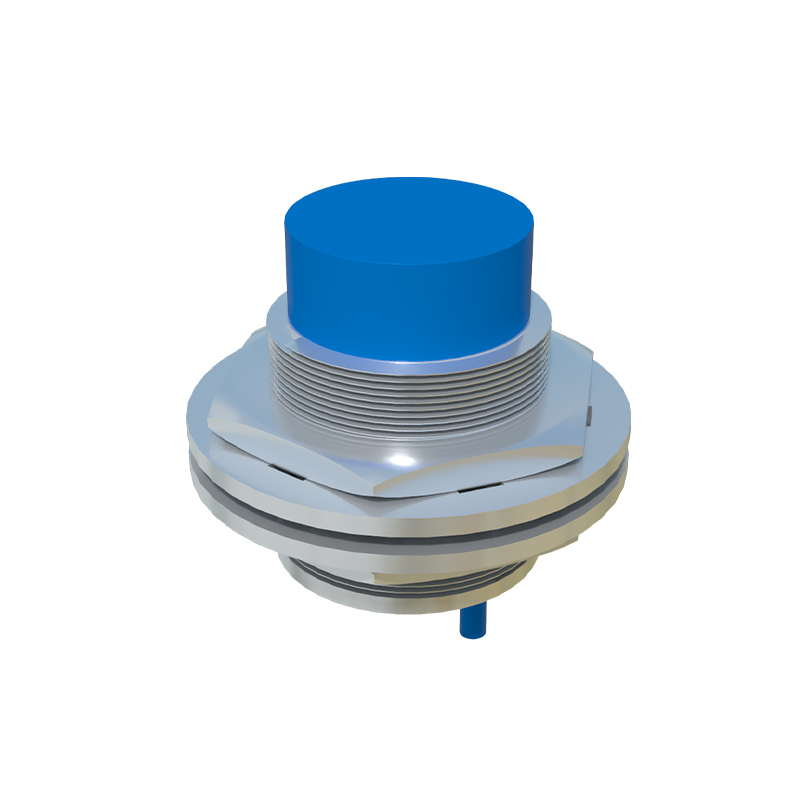
Key advantages of proximity magnetic sensors include their exceptional durability. With no moving mechanical parts in the sensing head and typically high ingress protection (IP) ratings, they withstand vibration, shock, and extreme temperatures. Their non-contact nature eliminates wear and tear, ensuring long operational life and minimal maintenance. Furthermore, they are largely immune to environmental factors that plague other sensor types, such as ambient light interference for optical sensors or material dielectric changes for capacitive sensors.
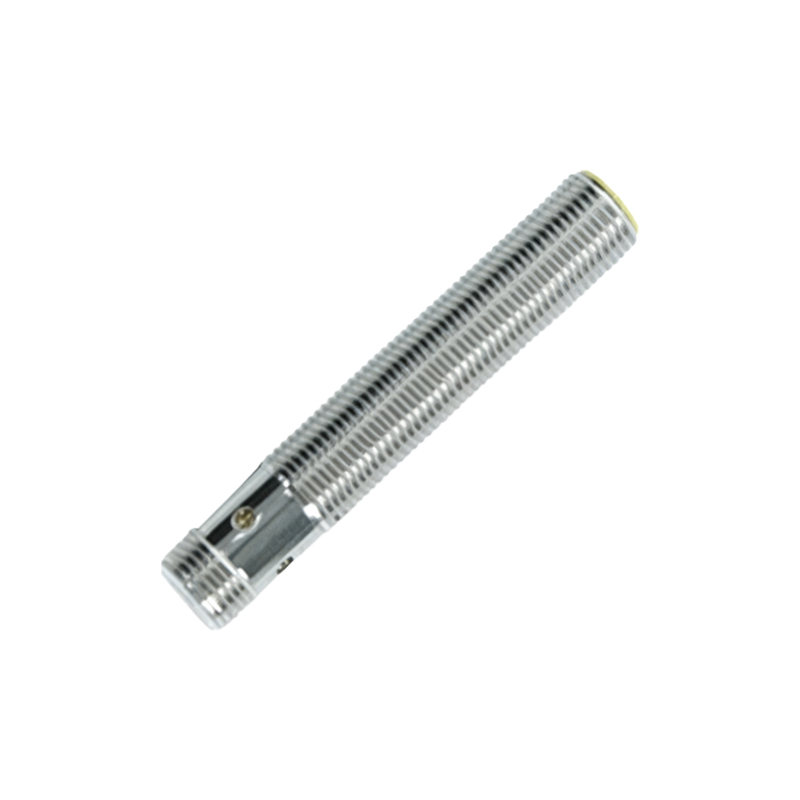
Applications are vast and varied. In automotive systems, they are used for crankshaft and camshaft position sensing, wheel speed detection for ABS, and gearbox monitoring. On factory floors, they detect the position of cylinders in pneumatic and hydraulic systems, count metallic objects on conveyor belts, and provide end-of-travel limits for robotic arms. In safety systems, magnetic sensors are integral to door and gate interlocks, ensuring machinery only operates when guards are securely closed.
Selecting the right proximity magnetic sensor requires careful consideration of several parameters. First, the sensing distance, which is typically shorter than that of inductive sensors for similar-sized ferrous targets. The target material is crucial; standard sensors detect ferrous metals, while specialized versions can sense permanent magnets. Output type must match the control system: PNP/NPN transistor outputs for PLCs, analog voltage/current for continuous measurement, or even IO-Link for digital communication and parameterization. Environmental conditions dictate the required housing material (often stainless steel or nickel-plated brass) and IP rating. Finally, electrical characteristics like supply voltage range, output current, and switching frequency must align with the application's demands.
Installation and alignment are straightforward but critical. The sensor must be mounted securely to prevent misalignment from vibration. The target should approach the sensing face perpendicularly for maximum and repeatable detection distance. It is also vital to maintain the specified nominal sensing distance (Sn) and consider factors like temperature drift, which can slightly reduce the effective operating distance.
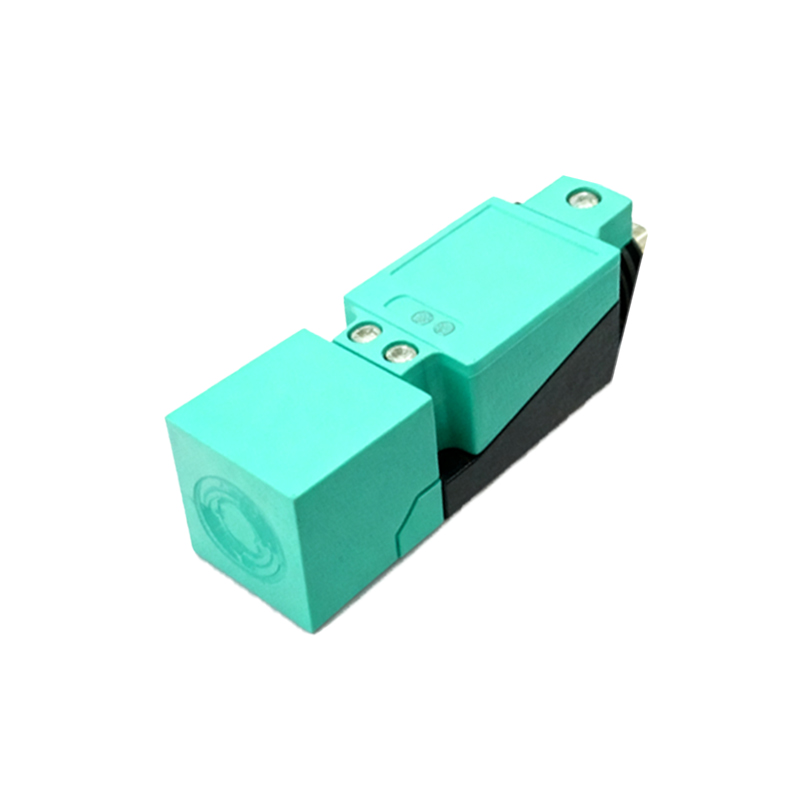
Looking ahead, advancements in miniaturization and integration are pushing the boundaries. Modern sensors incorporate advanced signal processing for improved noise immunity and diagnostic capabilities. The integration of sensing and conditioning electronics into single, rugged packages continues to enhance reliability. As Industry 4.0 evolves, smart magnetic sensors with embedded intelligence and network connectivity will provide not just raw data but actionable insights into machine health and process efficiency.
In conclusion, proximity magnetic sensors are a cornerstone of modern industrial sensing. Their robustness, reliability, and versatility in detecting metallic objects and magnets make them a preferred choice for engineers designing systems that demand consistent performance under challenging conditions. A thorough understanding of their operating principles, key specifications, and application nuances is essential for leveraging their full potential to create safer, more efficient, and more automated industrial environments.