In the rapidly evolving landscape of industrial automation and smart technology, proximity sensors have become indispensable components. These devices, capable of detecting the presence or absence of objects without physical contact, are the silent workhorses behind countless applications—from assembly lines and robotic arms to consumer electronics and automotive safety systems. However, the true potential and reliability of a proximity sensor are often unlocked not just by the sensor itself, but by the ecosystem of supporting components it operates within. This is where a dedicated proximity sensor accessories platform becomes a critical asset for engineers, integrators, and maintenance professionals.
A proximity sensor accessories platform is a centralized resource, either physical or digital, that provides a curated selection of complementary components designed to optimize sensor installation, protection, connectivity, and functionality. The core value proposition of such a platform is standardization and compatibility. Instead of sourcing disparate parts from multiple vendors with varying specifications, users can select from a range of accessories engineered to work seamlessly with specific sensor families or across broad categories. This approach significantly reduces design complexity, installation time, and the risk of component mismatch.
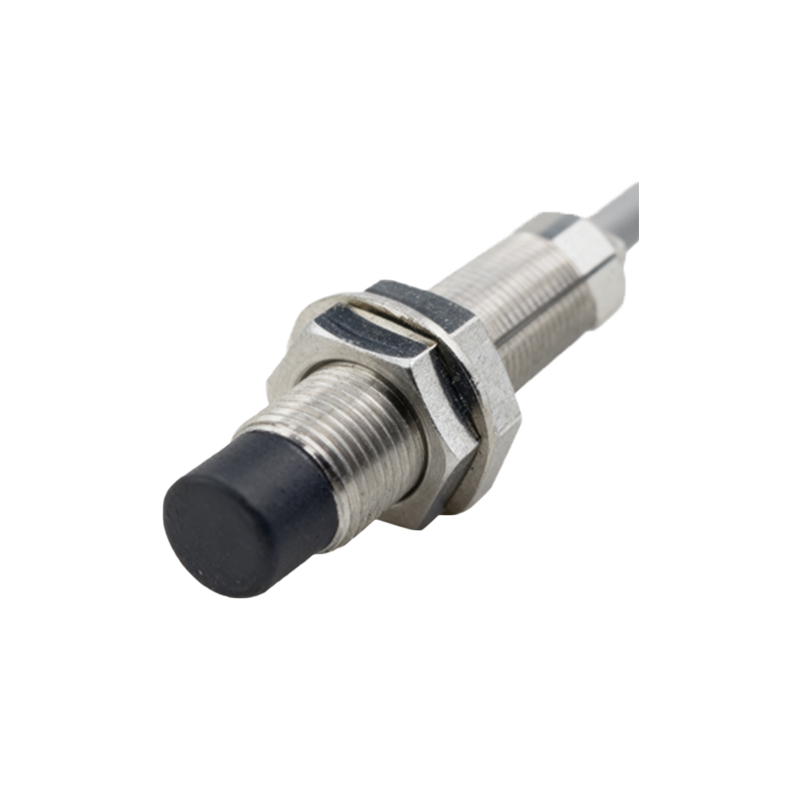
The typical offerings on a robust accessories platform can be categorized into several key areas. Mounting hardware forms the foundation, including standardized brackets, holders, and adjustable mounting systems that allow for precise positioning and alignment of the sensor. Proper mounting is crucial for ensuring the sensor's detection field is oriented correctly, directly impacting its accuracy and repeatability. Next, protective accessories are vital for extending sensor lifespan in harsh environments. These include durable housings, protective caps, and coatings that shield sensitive components from dust, moisture, chemicals, and physical impact. For inductive sensors, which are susceptible to interference from surrounding metals, non-ferrous mounting hardware and shielding accessories are essential to prevent false triggers.
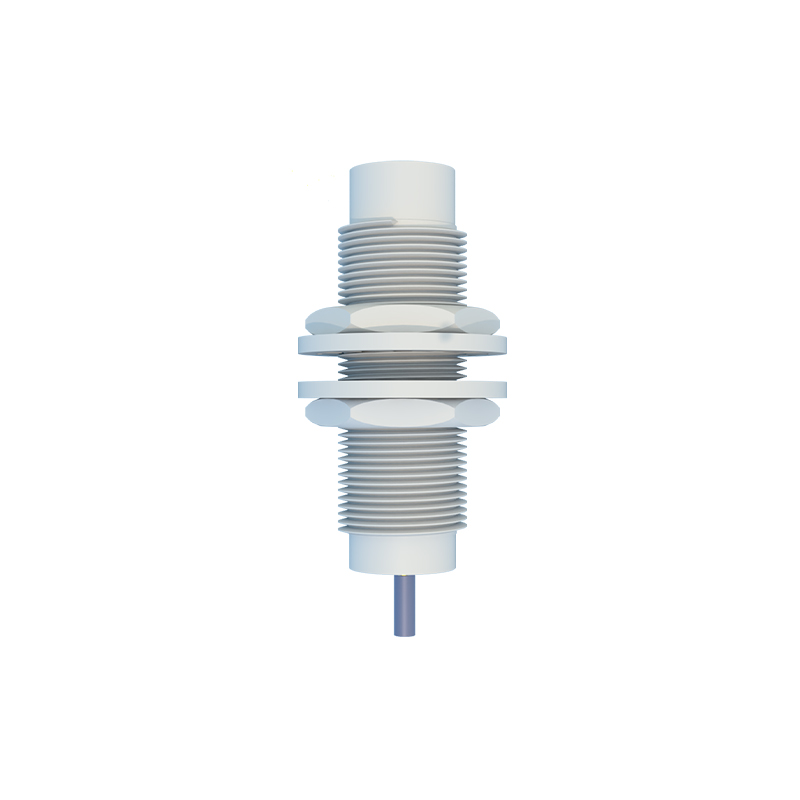
Cable and connectivity solutions represent another major category. Platforms offer pre-assembled cable sets with standardized connectors, varying in length, jacket material (e.g., PVC, PUR for oil resistance), and shielding to combat electromagnetic interference. Availability of junction boxes, cable glands, and quick-disconnect systems simplifies wiring, improves organization, and facilitates easier maintenance and replacement. Furthermore, advanced platforms may include signal conditioning accessories like amplifiers, converters, and interface modules. These devices can boost a sensor's output signal, convert it between different formats (e.g., NPN to PNP, or analog to digital), or integrate the sensor into broader communication networks like IO-Link, PROFINET, or EtherNet/IP.
The benefits of utilizing a dedicated platform are manifold. For original equipment manufacturers (OEMs), it accelerates the machine design process by providing verified accessory kits, leading to faster time-to-market. For system integrators and end-users, it ensures reliability and reduces downtime by guaranteeing that replacement or supplementary parts are readily available and fully compatible. This simplifies inventory management and procurement. From a performance perspective, correctly matched accessories can enhance sensing range, improve signal stability, and enable sensors to operate in conditions beyond their base specifications.
The digital evolution of these platforms has further amplified their utility. Leading manufacturers and distributors now offer online configurators and selection tools. Users can input their sensor model or application parameters to receive a filtered list of compatible accessories with detailed technical data, CAD models for direct integration into design software, and real-time stock availability. This digital layer transforms the platform from a simple catalog into an interactive engineering tool, supporting informed decision-making.
In conclusion, a proximity sensor is only as good as its supporting infrastructure. A comprehensive proximity sensor accessories platform is not merely a convenience; it is a strategic tool for achieving operational excellence. By providing a holistic solution for mounting, protection, and connectivity, it ensures that sensors perform reliably, consistently, and to their fullest capability. As industrial systems grow more complex and interconnected, the role of these standardized, accessible platforms in ensuring robustness, simplifying maintenance, and future-proofing installations will only become more pronounced. Investing time in selecting the right platform is an investment in the long-term efficiency and resilience of any automated system.