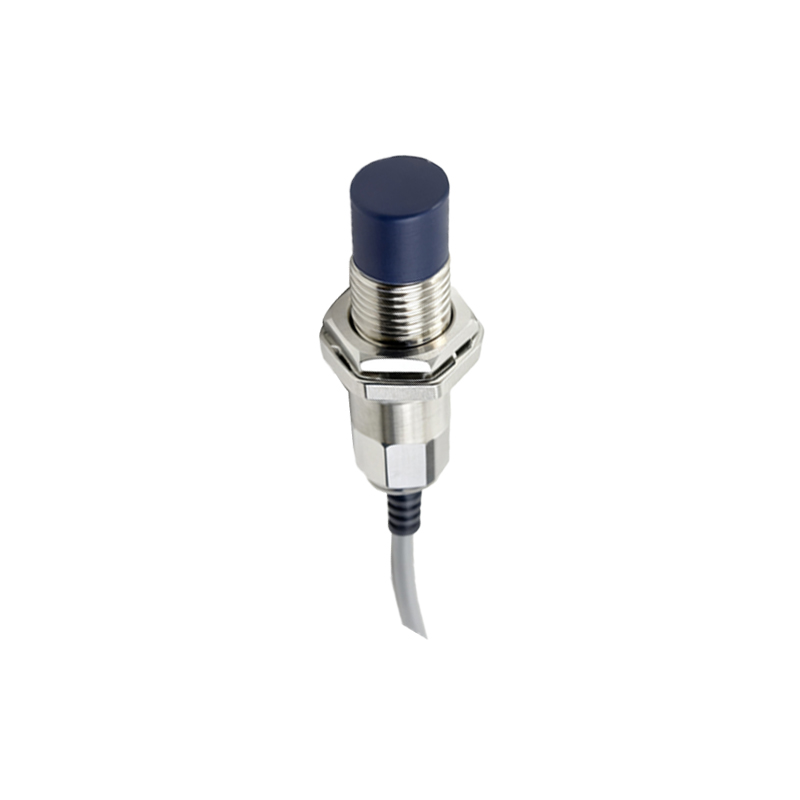
In today's rapidly automating world, miniature proximity sensors are the unsung heroes, enabling precise, non-contact detection in countless applications. From intricate robotics and consumer electronics to advanced medical devices and compact industrial machinery, their demand is surging. A common and crucial question for engineers, procurement specialists, and hobbyists alike is: "How much do miniature proximity sensors cost?" The answer is not a single figure but a spectrum, typically ranging from as low as $10 to over $200 per unit. Understanding the factors behind this wide price range is key to making an informed purchase.
The core technology of the sensor is the primary cost driver. Inductive sensors, which detect metallic objects, are generally the most economical, often found in the $10 to $50 range for standard models. Capacitive sensors, capable of detecting both metallic and non-metallic materials like liquids or plastics, usually carry a slightly higher price tag, from $20 to $80. Photoelectric sensors, using infrared or laser light, offer the longest sensing ranges and high precision but are more complex, with prices commonly between $30 and $150. Ultrasonic sensors, excellent for distance measurement and level detection, also fall into a mid-to-high range, from $40 to $120. Specialized types like magnetic (Hall effect) sensors or particularly high-frequency models can command premium prices.
Size and performance specifications dramatically influence cost. A sensor with a standard 5-10mm sensing distance will be far less expensive than a miniaturized sensor with sub-millimeter precision or one boasting a 50mm range. Similarly, the housing material matters; stainless steel or specialized IP67/IP68-rated housings for harsh environments (resistant to dust, water, chemicals) add cost compared to basic plastic or nickel-plated brass housings. The output type is another factor. Sensors with simple digital outputs (PNP/NPN) are cheaper. Those with analog outputs (0-10V, 4-20mA) or advanced IO-Link digital communication capabilities, which provide detailed diagnostic data, are more expensive due to added circuitry and intelligence.
Brand reputation and supply chain considerations play a significant role. Established global brands like Omron, Sick, Pepperl+Fuchs, and Balluff are known for reliability, extensive documentation, and global support, which is reflected in their prices, often at the higher end of the spectrum. However, numerous reputable manufacturers and distributors offer high-quality sensors at more competitive prices, especially for standard applications. Purchasing volume is perhaps the most straightforward factor; buying in bulk (hundreds or thousands of units) can reduce the per-unit cost by 20% to 50% compared to a single-unit purchase.
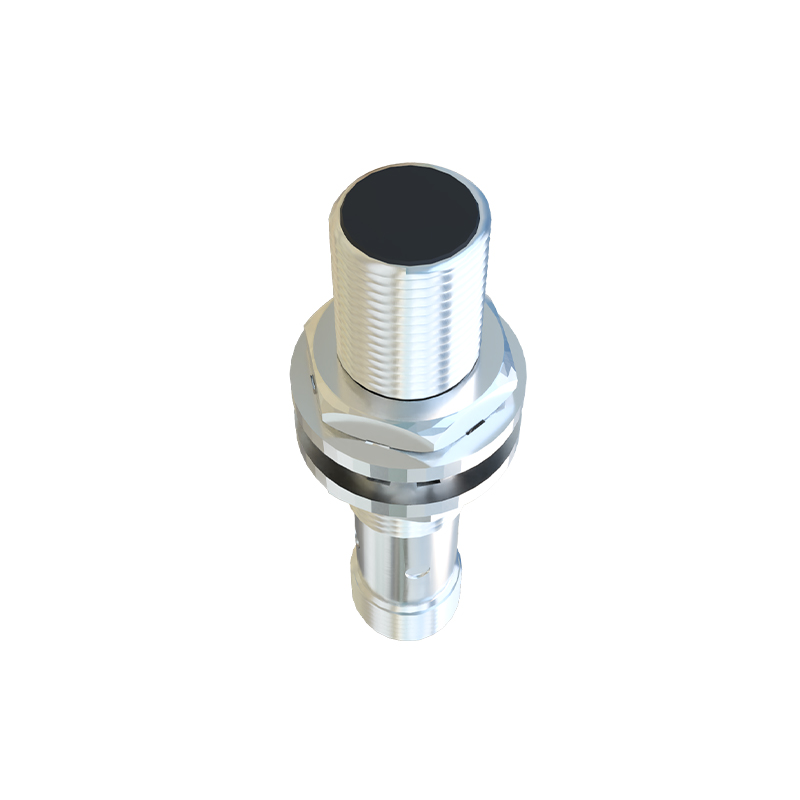
Beyond the initial purchase price, consider the Total Cost of Ownership (TCO). A slightly more expensive sensor from a reliable brand with a longer lifespan, higher durability, and easy integration might save significant money on downtime, maintenance, and replacement in the long run. For prototyping or one-off projects, low-cost sensors from online marketplaces or electronics retailers may be sufficient. For critical industrial automation lines, investing in robust, high-performance sensors is a necessity.
To navigate the market effectively, start by meticulously defining your application requirements: target material, required sensing distance, size constraints, environmental conditions (temperature, contaminants), needed output signal, and response speed. With these specs in hand, obtain quotes from multiple suppliers, comparing not just price but also warranty, lead times, and technical support. Remember, the cheapest option upfront can become the most expensive if it fails prematurely.
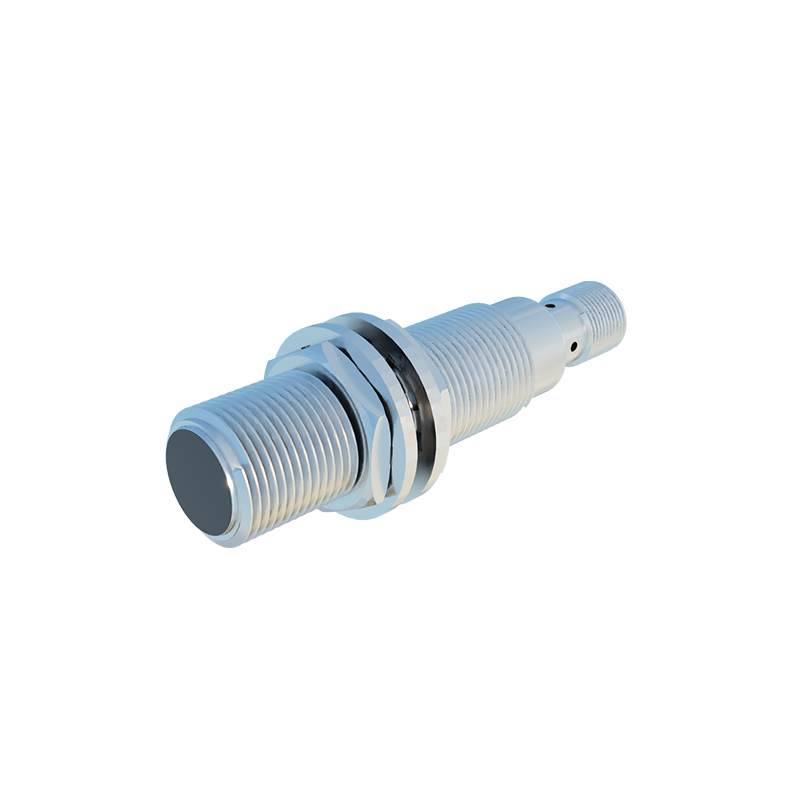
In conclusion, the cost of a miniature proximity sensor is a function of its technology, capabilities, build quality, and source. While prices can start under $10 for basic inductive models, fully-featured, ruggedized sensors for demanding applications can easily exceed $150. By carefully evaluating your technical needs against the value offered, you can find the optimal sensor that balances performance, reliability, and cost, ensuring the success and efficiency of your project or production line.