In the intricate world of industrial automation and precision engineering, the reliability of a sensing system often hinges on components that rarely take center stage. Among these unsung heroes is the proximity sensor shim. Far from being a simple spacer, this small, precisely manufactured piece of metal or plastic plays a critical role in ensuring the accuracy, repeatability, and longevity of inductive, capacitive, and photoelectric proximity sensors.
The primary function of a proximity sensor shim is to establish and maintain the correct sensing distance, or "gap," between the sensor's face and the target object. Every proximity sensor is designed with a specified nominal sensing range (Sn). However, optimal performance, especially for tasks like precise positioning or part detection, often requires the target to be within a fraction of that range. A shim acts as a physical gauge, preventing the target from getting too close and potentially causing damage or erratic readings, while also ensuring it is consistently within the effective sensing zone. This is crucial in high-speed assembly lines where minute variations can lead to faulty products or machine stoppages.
Material selection for sensor shims is a deliberate process driven by the application. For inductive sensors, which detect metallic objects, shims are typically made from the same material as the target—often mild steel or stainless steel. This standardization ensures that the sensor's magnetic field interacts with the shim in a predictable manner, allowing for precise calibration. Using an incorrect material can alter the effective sensing point. In environments requiring chemical resistance or electrical insulation, shims made from engineered plastics like PEEK or Vespel are employed. These non-metallic shims are also essential when used with capacitive sensors to avoid false triggers.
The design and installation of a shim directly impact system performance. A poorly fitted shim can vibrate loose, become misaligned, or even wear down, leading to drift in the sensing point over time. High-quality shims feature precise thickness tolerances, often within microns, and are designed for secure mounting. Common configurations include flat washers, L-brackets, or custom-machined blocks that bolt directly to the sensor housing. The mounting surface must be clean and flat to prevent the shim from rocking, which would introduce an unacceptable variable into the gap measurement.
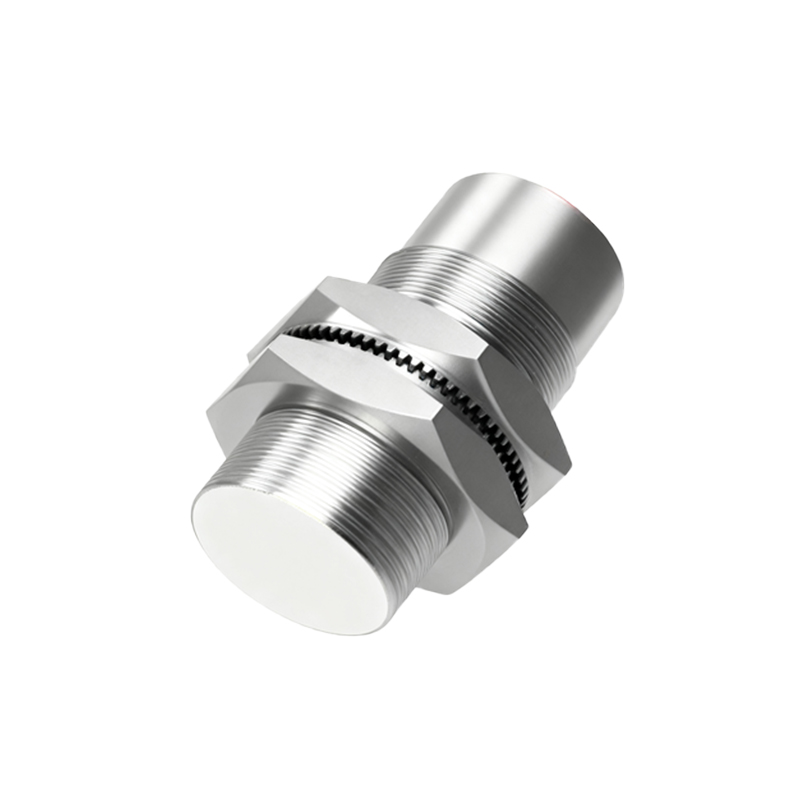
Beyond basic gap setting, shims solve a variety of practical challenges on the factory floor. They protect the sensor face from abrasion caused by repetitive contact with passing targets, such as metal stampings or conveyor chains. In welding applications, a sacrificial shim can shield the sensor from spatter, extending its service life significantly. Shims also enable the use of standard sensors in non-standard mounting situations, providing an offset to clear adjacent machinery or guarding. For tuning performance, technicians might use a set of calibration shims of varying thicknesses to fine-tune the activation point during machine setup, a process far more efficient and reliable than manual adjustment.
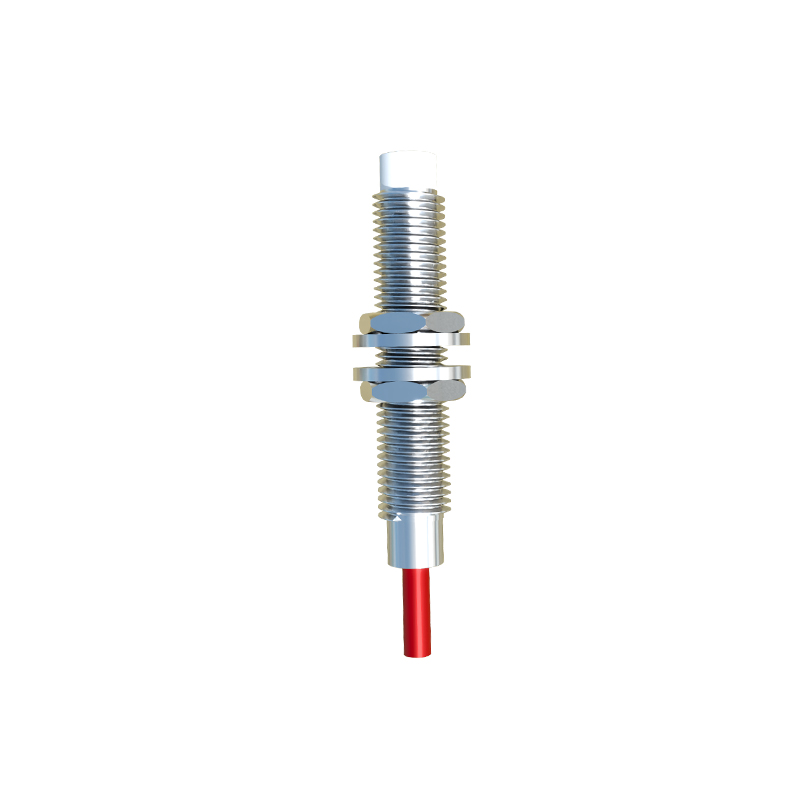
Neglecting the importance of the correct shim can have costly consequences. An improperly gapped sensor may fail to detect a part, causing a jam downstream. Conversely, a sensor triggered too early might signal a machine to cycle before a part is fully seated. This inconsistency leads to production errors, increased scrap rates, and unplanned downtime for troubleshooting. The initial cost of a precision shim is negligible compared to the expense of a single production halt or a damaged sensor.
In summary, the proximity sensor shim is a fundamental component for achieving precision in automated systems. It transcends its simple appearance, serving as a calibration tool, a protective barrier, and an adaptation solution. Specifying the right shim—with the correct material, thickness, and mounting design—is as vital as selecting the sensor itself. For engineers and maintenance professionals, understanding and properly applying these small components is a key step in building robust, reliable, and efficient automation solutions that stand the test of time.