In the realm of industrial automation and precision control, photoelectric proximity position sensors stand as indispensable components. These devices, operating on the principle of light modulation, provide non-contact detection and precise positioning of objects, making them superior to mechanical limit switches in countless applications. Their core function is to detect the presence, absence, or position of a target by emitting a beam of light and analyzing the reflected or interrupted signal. The fundamental components include an emitter (light source), a receiver (photodetector), and associated signal processing circuitry.
The operational principles of photoelectric sensors are primarily categorized into three main types: through-beam, retro-reflective, and diffuse reflective. Through-beam sensors, also known as opposed-mode sensors, consist of separate emitter and receiver units placed opposite each other. Detection occurs when the target object interrupts the light beam traveling from the emitter to the receiver. This configuration offers the longest sensing range and highest reliability, as it is less susceptible to target surface color, texture, or reflectivity. However, installation requires precise alignment of two separate units.
Retro-reflective sensors house both the emitter and receiver in a single housing. The emitted light beam is directed towards a reflector, which bounces the light back to the receiver. The target object is detected when it breaks this reflected beam. This type simplifies installation compared to through-beam sensors but requires a dedicated reflector. A key feature is the use of polarizing filters to prevent the sensor from being "fooled" by shiny objects that might reflect light directly back, ensuring it only recognizes the light returned from the genuine reflector.
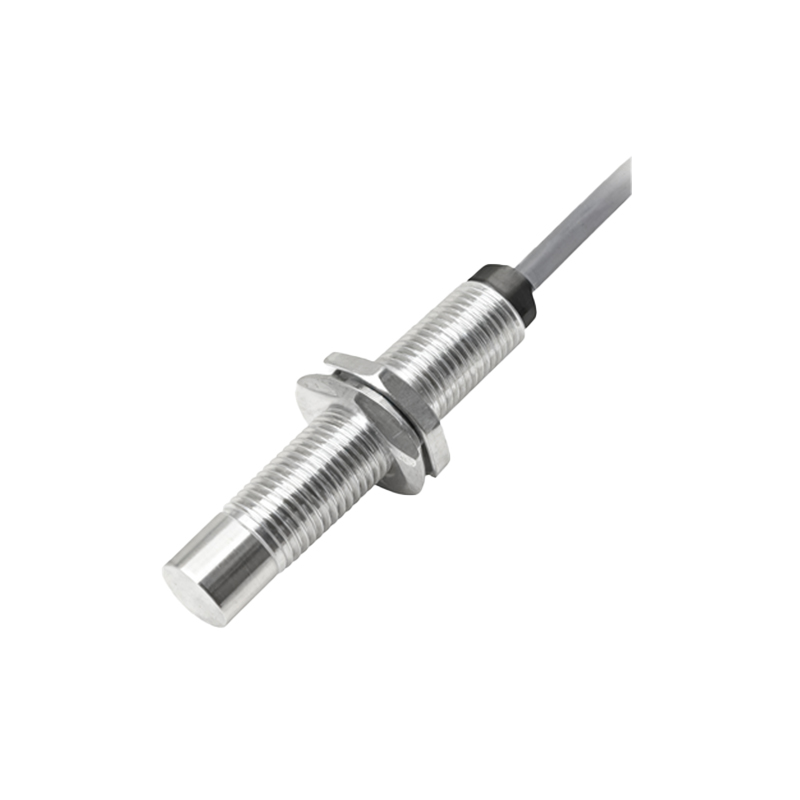
Diffuse reflective sensors, or proximity-mode sensors, also integrate the emitter and receiver. They detect the target when it enters the sensing field and reflects the emitted light directly back to the receiver. The sensing distance is influenced by the target's size, color, and surface finish, with lighter and more reflective surfaces providing longer ranges. This type is the most compact and easiest to install, as no separate reflector or receiver unit is needed, but it has a shorter range and is more sensitive to target properties.
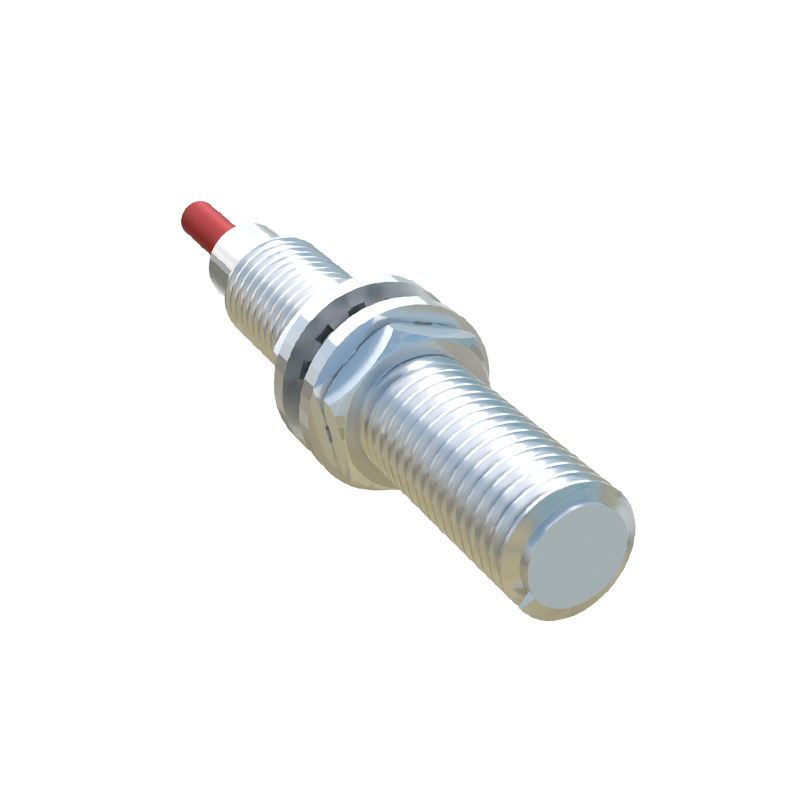
Modern advancements have led to the development of background suppression and foreground suppression sensors, which are sophisticated versions of diffuse sensors. They use triangulation principles to detect objects only within a precise, defined distance window, effectively ignoring objects beyond (background) or before (foreground) the set range. This makes them ideal for applications where the target must be distinguished from a background surface at a similar distance.
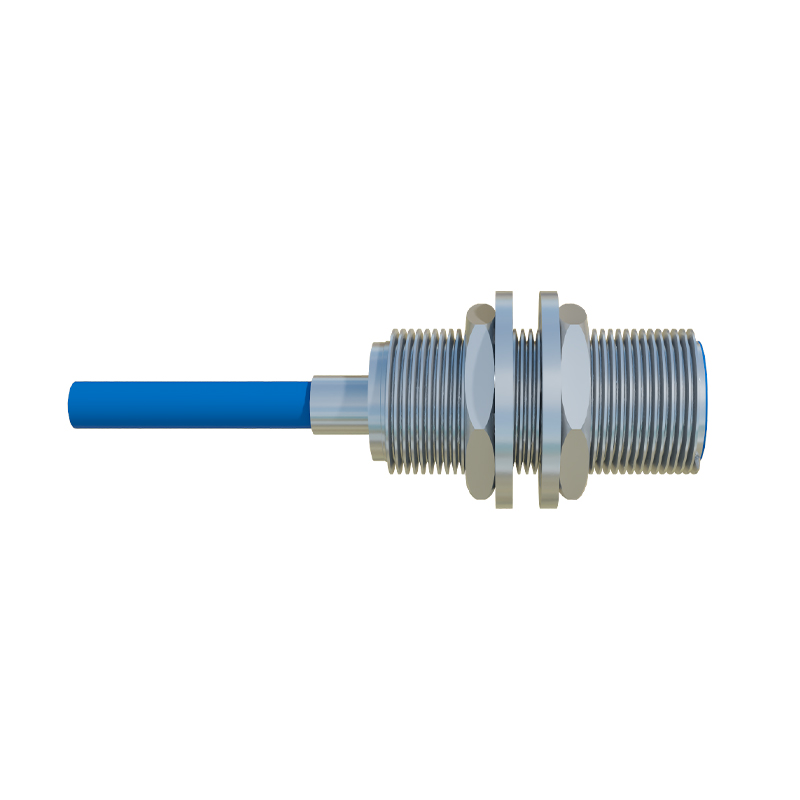
The choice of light source is critical. Light-Emitting Diodes (LEDs) are the most common, with red visible light being popular for ease of alignment. Infrared LEDs provide invisible light for discreet operation, while laser diodes enable extremely precise, small-spot detection for minute objects or high-accuracy positioning. Blue or green LEDs are sometimes used for superior detection of specific colors.
Applications for photoelectric proximity position sensors are vast across manufacturing, packaging, material handling, and automotive assembly. They are used for object counting on conveyor belts, detecting bottle caps on filling lines, verifying the presence of components in an assembly jig, controlling roll diameters in web processes, and ensuring precise positioning in robotic pick-and-place operations. Their non-contact nature ensures no wear and tear on the sensor or target, leading to high reliability and long service life.
When selecting a sensor for a specific application, engineers must consider several key parameters: Sensing Distance: The nominal operating range under defined conditions. Repeat Accuracy: The consistency of the switching point. Response Time: How quickly the sensor can detect a change and output a signal. Environmental Factors: Resistance to dust, moisture, chemicals, and ambient light interference (many sensors feature modulated light to ignore constant ambient light). Output Type: Discrete (PNP/NPN) or analog (4-20mA, 0-10V) signals. Housing Material: Typically stainless steel or engineered plastics like PBT for durability.
Proper installation and alignment are paramount. Even the best sensor will underperform if misaligned. Through-beam and retro-reflective types require careful optical alignment. Diffuse sensors must be positioned considering the target's reflectivity. Environmental challenges like heavy dust, fog, or intense ambient light can scatter or overpower the sensor's beam. In such cases, selecting sensors with robust housing ratings (IP67/IP69K) and high-intensity, modulated light sources is essential.
In conclusion, photoelectric proximity position sensors are versatile, reliable workhorses of industrial sensing. Understanding their operating principles, types, and key selection criteria allows engineers to deploy them effectively, enhancing system reliability, precision, and efficiency. As technology progresses, we see trends towards miniaturization, increased intelligence with IO-Link communication for diagnostics and parameter setting, and enhanced performance in challenging environments, ensuring their continued dominance in position sensing applications.