In industrial automation and control systems, proximity switches are indispensable components for non-contact detection of objects. While much attention is given to a sensor's sensing technology, range, and output type, the housing—the protective enclosure—is equally critical for ensuring long-term reliability and performance. The housing serves as the first line of defense against the harsh realities of industrial environments, including physical impact, chemical exposure, temperature extremes, and ingress of contaminants. This article delves into the key considerations for proximity switch housing design and material selection from an engineering perspective.
The primary function of the housing is protection. International standards, most notably the IP (Ingress Protection) and NEMA (National Electrical Manufacturers Association) ratings, define the level of sealing against solids and liquids. For example, a common requirement is IP67, which denotes complete protection against dust and protection against temporary immersion in water. In washdown environments common in food and beverage or pharmaceutical industries, stainless steel housings with IP69K ratings (resisting high-pressure, high-temperature water jets) are often mandated. Beyond ingress protection, the housing must provide sufficient mechanical strength. Metal housings, typically from brass, stainless steel, or nickel-plated brass, offer excellent resistance to crushing forces and impact. Engineers must consider potential mechanical stress from mounting, conveyor vibrations, or accidental collisions with machinery.
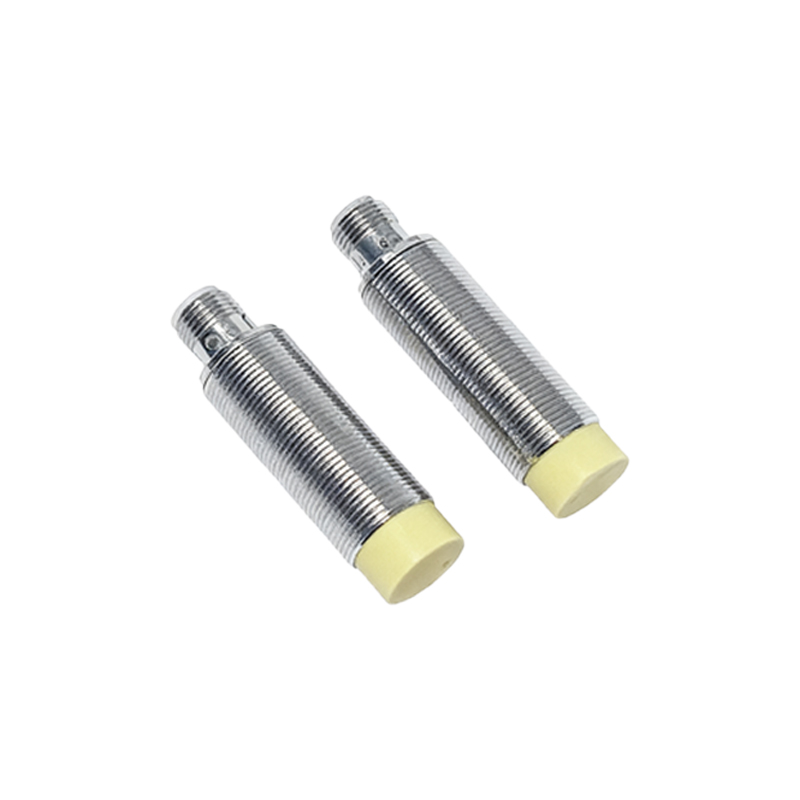
Material selection is a fundamental engineering decision balancing cost, performance, and application specifics. Thermoplastics like PBT (Polybutylene Terephthalate) and PPS (Polyphenylene Sulfide) are widely used for standard-duty applications. They offer good chemical resistance, are electrically insulating, and are cost-effective for high-volume production. For more demanding conditions, engineers turn to metals. Stainless steel (grades 303, 304, or 316) is the gold standard for corrosive environments involving acids, alkalis, or salt spray. Its durability and ease of cleaning make it ideal for hygienic-sensitive industries. Brass housings, often with nickel plating, provide a robust and cost-effective metal option with good corrosion resistance for general factory automation. The choice of material also directly affects the sensor's sensing field. Metallic housings can slightly reduce the nominal sensing distance compared to plastic ones, a factor that must be accounted for during system design and installation.
The design of the housing extends beyond a simple shell. Key features include the sensing face design, cable entry, and mounting options. The sensing face material must be compatible with the sensing technology (inductive, capacitive, ultrasonic) and not unduly attenuate the signal. For inductive sensors detecting metals, a housing with a flush-mounted or non-flush design is chosen based on the required installation geometry and need for side-by-side mounting without interference. Cable entries or connectors must be integrated seamlessly to maintain the integrity of the seal. Common options include fixed PVC or PUR cables, or quick-disconnect M8/M12 connectors, which themselves have specific IP ratings. Mounting brackets, threaded barrels (e.g., M8, M12, M18, M30), or flat-surface designs facilitate secure installation, and the housing must withstand the torque applied during mounting without deformation.
Finally, thermal management is an often-overlooked aspect. Proximity switches generate internal heat during operation. The housing material must dissipate this heat effectively to prevent internal component degradation. Furthermore, the housing must withstand the ambient temperature range of the application without cracking, melting, or losing its sealing properties. For extreme temperatures, specialized materials like PTFE or certain high-temperature thermoplastics and specific elastomers for seals are employed. In summary, specifying a proximity switch housing is not a mere afterthought. It requires a systematic evaluation of the environmental, mechanical, electrical, and thermal stresses the device will encounter throughout its operational life. A well-engineered housing ensures that the sophisticated electronics within can perform their detection task reliably, minimizing downtime and maintenance costs, which is the ultimate goal of any robust industrial system.