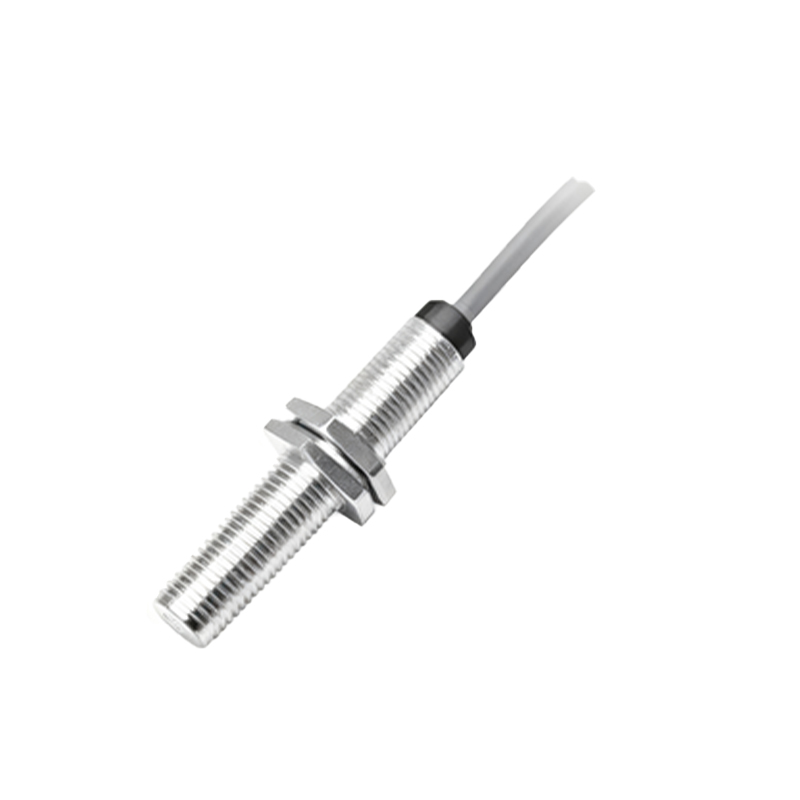
Proximity sensors have become indispensable components in industrial automation, robotics, and consumer electronics. These devices detect the presence or absence of objects within a specified range without physical contact, offering reliability and efficiency in various applications. Among the diverse types of proximity sensors, planar proximity sensors stand out for their unique design and functionality.
Planar proximity sensors, also known as flat or surface-mounted sensors, feature a compact, low-profile design that allows for seamless integration into machinery and equipment. Unlike cylindrical sensors, their flat structure minimizes protrusion, making them ideal for applications with space constraints or where aesthetic considerations are important. The sensing surface is typically parallel to the installation plane, enabling detection of objects approaching from a perpendicular direction.
The working principle of planar proximity sensors is based on electromagnetic or capacitive technology. Inductive planar sensors generate an electromagnetic field and detect changes caused by metallic objects entering the sensing area. They are commonly used in manufacturing for position verification, part counting, and conveyor belt monitoring. Capacitive planar sensors, on the other hand, respond to both metallic and non-metallic materials by measuring changes in capacitance. This versatility makes them suitable for liquid level detection, material handling, and touch-sensitive interfaces.
Key advantages of planar proximity sensors include high precision, fast response times, and durability. Their flush-mounted design prevents mechanical damage from collisions and reduces accumulation of dust or debris. Many models offer adjustable sensing ranges and output configurations, such as NPN, PNP, or analog signals, providing flexibility for different control systems. Additionally, these sensors often feature LED indicators for easy diagnostics and status monitoring.
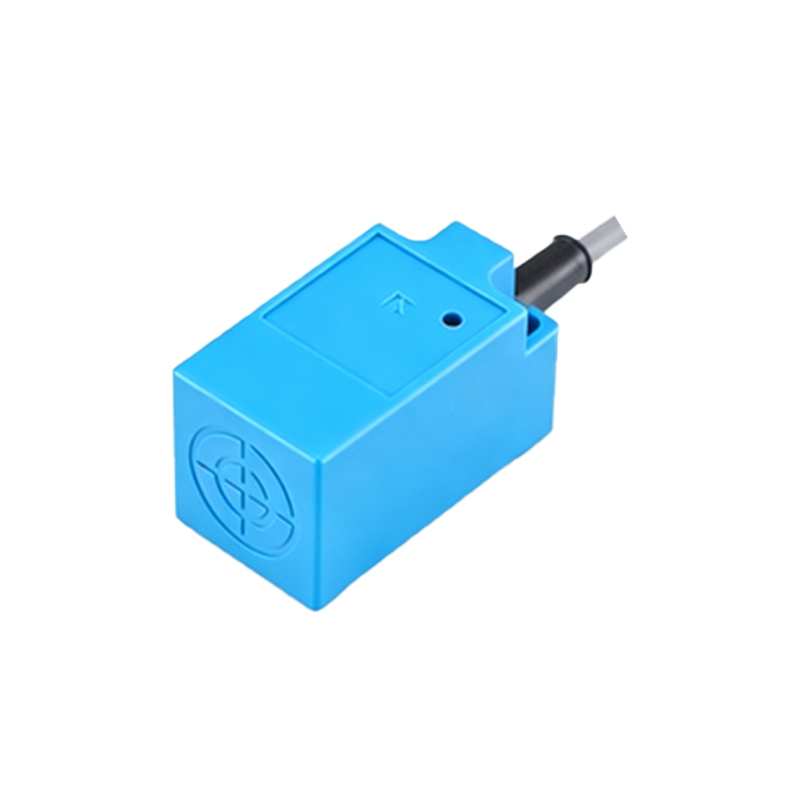
In industrial settings, planar proximity sensors contribute to enhanced safety and productivity. They enable precise positioning of robotic arms, ensure proper alignment in assembly lines, and trigger automated processes when objects are detected. The automotive industry utilizes them for seat occupancy detection and gear position sensing, while consumer electronics incorporate miniature versions for touchless controls and display activation.
When selecting a planar proximity sensor, factors such as sensing distance, target material, environmental conditions, and electrical requirements must be considered. Proper installation and alignment are crucial for optimal performance, as uneven surfaces or misalignment can affect accuracy. Regular maintenance, including cleaning of the sensing face and verification of output signals, ensures long-term reliability.
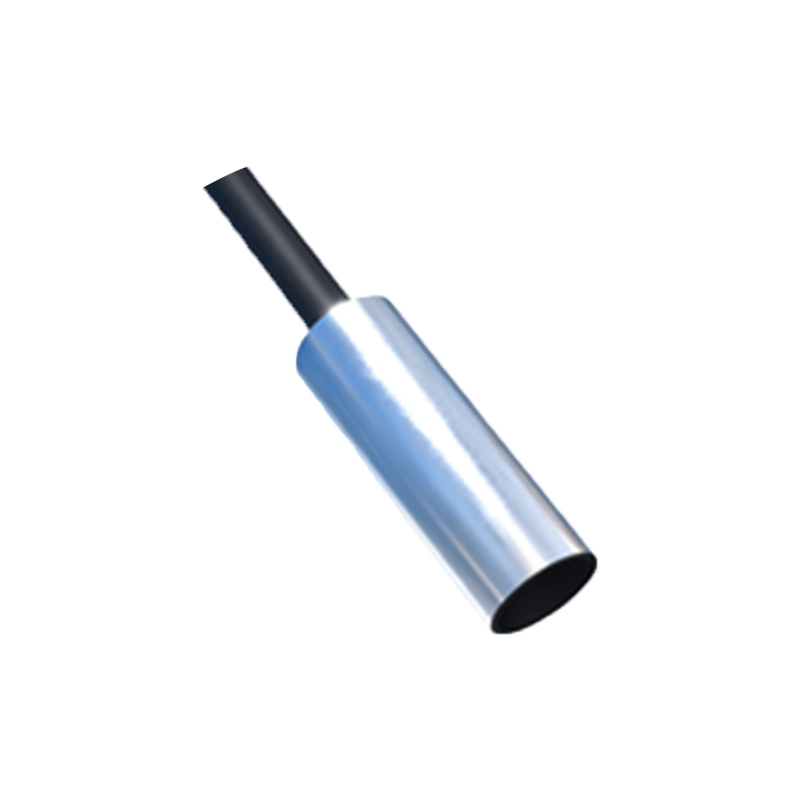
As technology advances, planar proximity sensors continue to evolve with features like IO-Link communication for data exchange, enhanced resistance to temperature fluctuations, and improved immunity to electromagnetic interference. Their role in enabling smart factories and IoT-enabled systems underscores their importance in the future of automation. By providing non-contact detection in a compact form factor, planar proximity sensors empower engineers to design more efficient, safe, and innovative solutions across industries.