In modern industrial automation, accurate environmental monitoring is crucial for operational safety and efficiency. Among various parameters, wind speed detection plays a vital role in sectors like ventilation systems, wind energy, and HVAC. While traditional anemometers are widely used, proximity switch sensors offer a unique alternative for specific applications, particularly where robustness and minimal maintenance are priorities.
Proximity switches, typically known for detecting the presence or absence of objects without physical contact, can be adapted for wind speed measurement through indirect methods. These sensors, including inductive, capacitive, and ultrasonic types, operate by generating an electromagnetic field or acoustic waves. When airflow interacts with a target component—such as a lightweight vane or rotor integrated into the system—the movement alters the sensor's field, triggering a signal proportional to wind speed. For instance, in a configured setup, a small rotating blade attached to a shaft can be monitored by an inductive proximity sensor. As wind rotates the blade, the sensor detects each pass, calculating speed based on rotational frequency. This approach is especially effective in enclosed or dusty environments where optical sensors might fail due to contamination.
The advantages of using proximity switches for wind speed detection are notable. They are inherently durable, with no moving parts in direct contact with airflow, reducing wear and tear. Their solid-state design ensures resistance to vibrations and harsh conditions, common in industrial settings like mining or manufacturing plants. Additionally, proximity sensors provide fast response times, often in milliseconds, enabling real-time monitoring for safety cut-offs in ventilation systems. For example, in tunnel ventilation, sudden wind gusts can be detected promptly to adjust fan speeds, maintaining air quality and preventing hazardous buildup of gases.
However, limitations exist. Proximity sensors are not direct wind speed meters; they require calibration against known airflow rates. Accuracy can be affected by factors like temperature fluctuations or electromagnetic interference. Thus, they are best suited for applications where relative changes or threshold-based alerts are sufficient, rather than precise measurements. In wind turbine nacelles, for instance, proximity sensors might monitor cooling fan operation rather than external wind speeds, ensuring equipment doesn't overheat during low-wind periods.
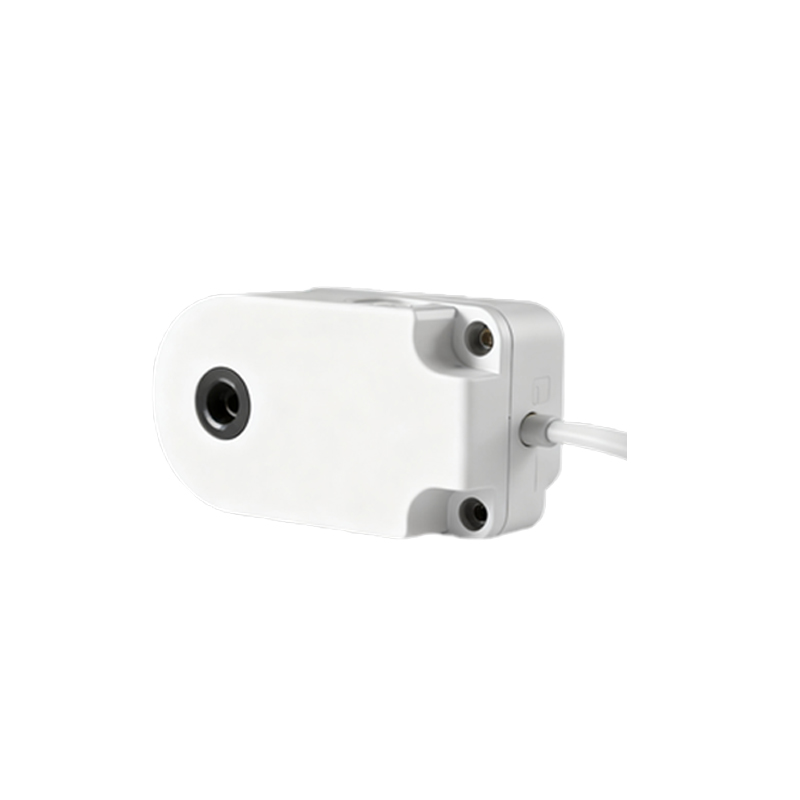
To implement this, engineers must consider sensor placement and target design. The target should be lightweight to respond to low wind speeds, yet sturdy enough to avoid deformation. Materials like aluminum or plastic are common. Sensor selection depends on the environment: capacitive proximity sensors work well with non-metallic targets in humid conditions, while inductive types are ideal for metallic components in dry areas. Integration with PLCs (Programmable Logic Controllers) allows for data logging and automated responses, enhancing system intelligence.
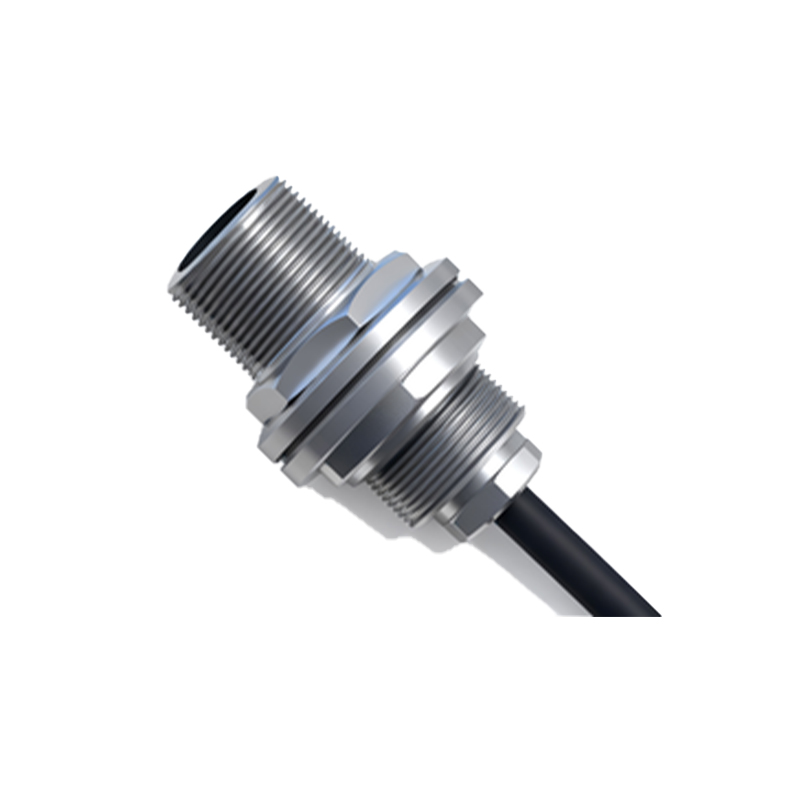
In conclusion, proximity switch sensors provide a reliable, low-maintenance solution for wind speed detection in niche industrial applications. By leveraging their durability and adaptability, they complement traditional anemometers, particularly in scenarios demanding robustness over high precision. As industries advance toward smarter automation, such innovative uses of standard components will continue to evolve, driving efficiency and safety in environmental monitoring.