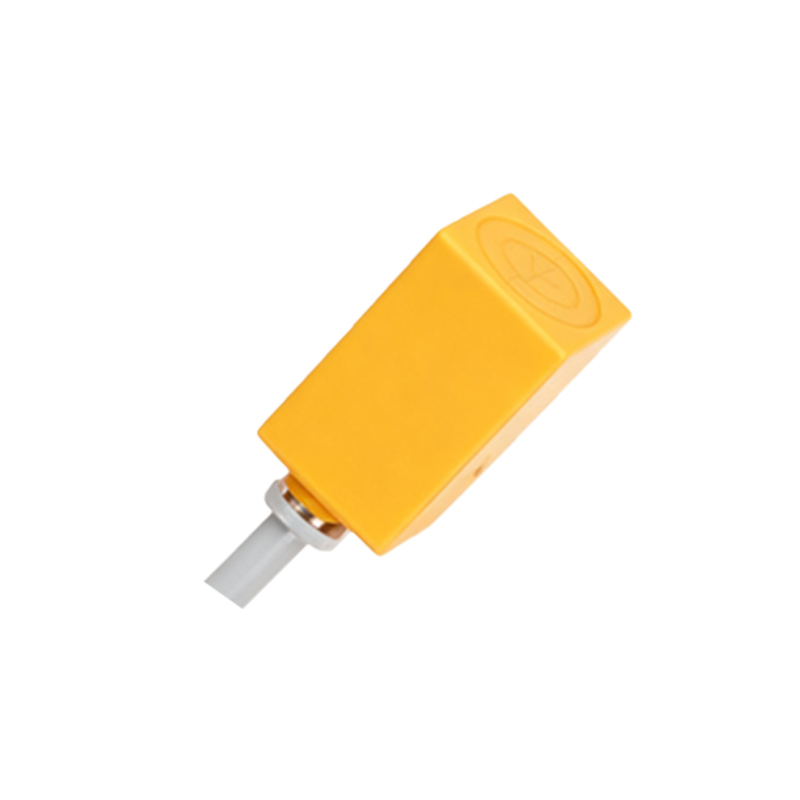
In the realm of modern smartphone engineering, the proximity sensor is a small yet critical component that significantly enhances user experience and device functionality. For Android devices, which encompass a vast ecosystem of manufacturers and models, the implementation and optimization of this sensor present unique challenges and opportunities. This article delves into the technical workings, industry standards, and practical applications of proximity sensors within the Android platform.
Fundamentally, a proximity sensor is a type of non-contact sensor that detects the presence or absence of an object, typically the user's head or hand, within a short distance. In Android smartphones, the most common technology employed is the infrared (IR) LED and photodiode pair. The sensor module emits an invisible beam of infrared light. When an object approaches the phone's earpiece area during a call, this light is reflected back to the photodiode. The sensor's integrated circuit measures the intensity of the reflected light, and when it surpasses a certain threshold, it signals the Android operating system that an object is "near." The system then triggers a predefined action: the most quintessential being the deactivation of the touchscreen display. This prevents accidental screen presses from the user's cheek or ear, conserving battery life and avoiding unintended inputs.
The Android framework provides a standardized application programming interface (API) for proximity sensors, primarily through theSensorManager andSensorEvent classes. This abstraction allows app developers to access sensor data without needing to understand the underlying hardware specifics from different Original Equipment Manufacturers (OEMs) like Samsung, Google, Xiaomi, or OnePlus. Developers can register listeners to receive real-time data, typically a single value representing the distance in centimeters or a binary "near" vs. "far" state. However, the calibration, sensitivity, and accuracy of these sensors can vary significantly across devices, a key consideration for developers aiming for consistent performance in applications like automatic screen on/off, gesture control, or pocket-mode detection.
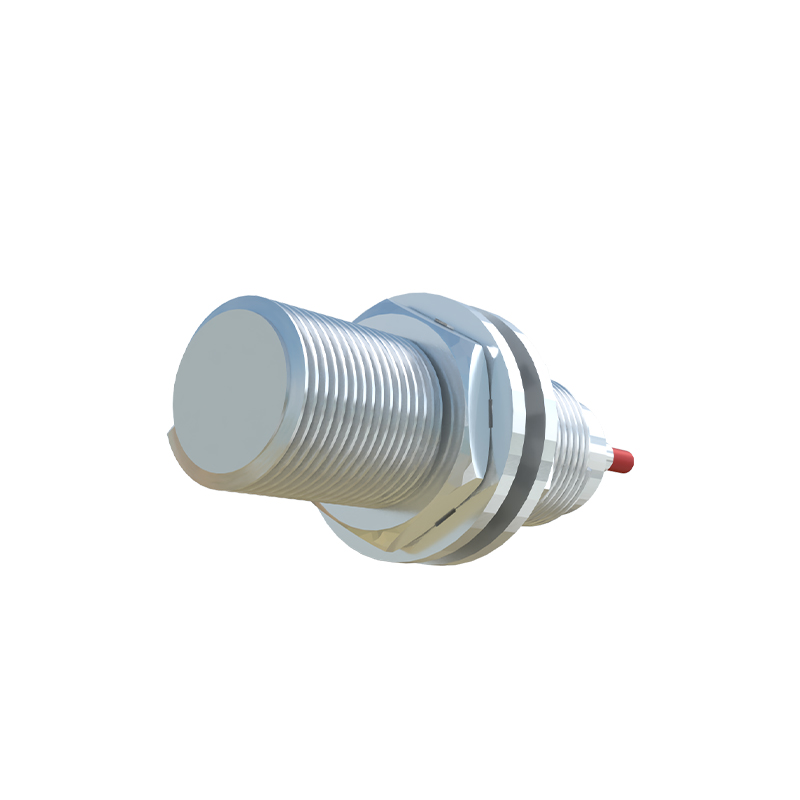
From an industry and hardware perspective, the evolution of proximity sensors in Android phones is closely tied to design trends. The push for bezel-less displays and compact form factors has forced engineers to innovate sensor placement. Traditional sensors were located in the "forehead" bezel alongside the earpiece. Modern implementations often involve under-display sensors, where the IR components are positioned beneath the OLED screen, or the use of sophisticated time-of-flight (ToF) sensors that offer more precise distance measurement. Furthermore, sensor fusion—where data from the proximity sensor is combined with inputs from the accelerometer, gyroscope, and ambient light sensor—has become commonplace. This allows for more intelligent context-aware behaviors, such as distinguishing between a phone held to the ear and one placed face-down on a table.
Quality control and testing are paramount in the manufacturing process. Engineers employ specialized equipment to calibrate the sensor's response curve, ensuring it correctly identifies the "near" state at the intended distance (usually 1-5 cm). Environmental factors like ambient infrared light, the reflectivity of different materials (skin, hair, fabric), and sensor window cleanliness can affect performance. Therefore, robust firmware algorithms are developed to filter out noise and prevent false triggers. The Android Compatibility Definition Document (CDD) outlines minimum requirements for sensor performance that all devices must meet to license Google Mobile Services, ensuring a baseline level of functionality for end-users.
Looking forward, the role of the proximity sensor is expanding beyond its traditional call-centric function. It is increasingly integral to advanced features like gesture-based navigation, where a hand wave over the sensor can silence an alarm or scroll through content. In the Internet of Things (IoT) ecosystem, an Android phone can act as a hub, and its sensors, including proximity, can contribute to environmental awareness. For industry professionals, understanding the intricacies of this component—from its analog signal chain to its digital integration with the Android HAL (Hardware Abstraction Layer)—is essential for designing reliable, user-friendly devices. As Android continues to dominate the global smartphone market, the humble proximity sensor remains a testament to the seamless integration of hardware and software that defines a superior mobile experience.