In demanding industrial environments where extreme heat is a constant challenge, the reliability and performance of proximity sensors are paramount. High-temperature proximity sensors are specifically engineered to operate in conditions that would cause standard sensors to fail, ensuring continuous monitoring and control in applications such as metal processing, automotive manufacturing, glass production, and aerospace. These sensors detect the presence or absence of objects without physical contact, utilizing technologies like inductive, capacitive, or magnetic principles, but are built with specialized materials and designs to withstand thermal stress. Selecting the right brand is critical for operational safety, efficiency, and longevity. This article explores leading brands in the high-temperature proximity sensor market, highlighting their key features and typical use cases.
One of the foremost names in this niche is Turck. Renowned for ruggedness and innovation, Turck offers a range of inductive proximity sensors capable of withstanding ambient temperatures up to 250°C (482°F) and even higher short-term exposure. Their sensors often feature robust stainless steel housings, high protection ratings (IP67/IP69K), and advanced diagnostics. Turck's solutions are prevalent in foundries, welding lines, and heat treatment facilities, where dust, moisture, and intense heat are omnipresent. The brand emphasizes easy integration and long service life, reducing downtime and maintenance costs.
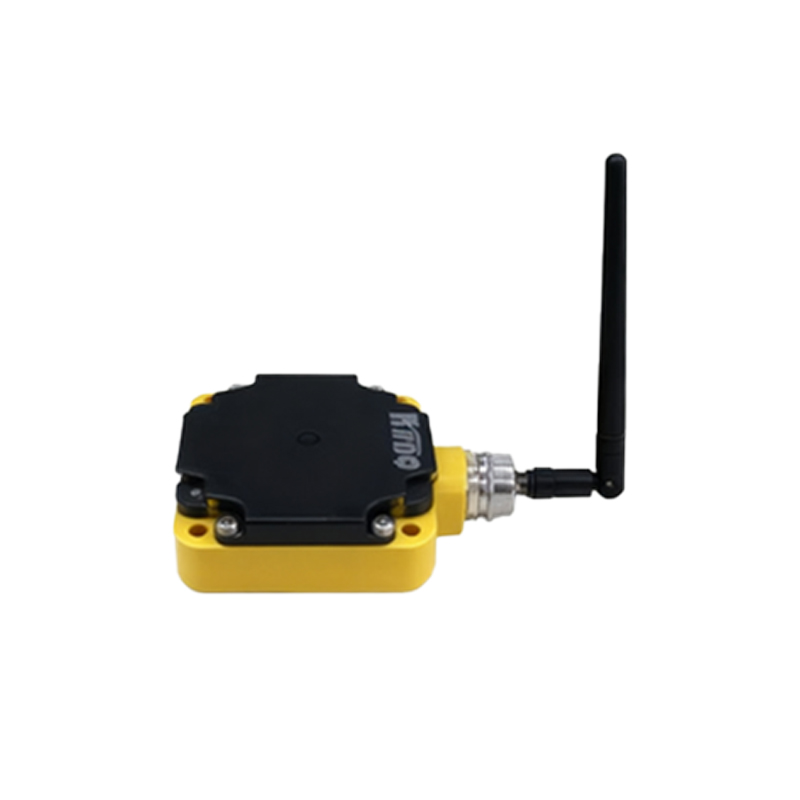
Pepperl+Fuchs is another global leader with a deep heritage in sensor technology. Their high-temperature sensor portfolio includes models designed for continuous operation in temperatures up to 230°C (446°F). Pepperl+Fuchs excels in providing precise, stable sensing even in electrically noisy environments. Many of their sensors incorporate temperature-resistant PEEK or ceramic sensing faces and are available in diverse form factors (cylindrical, rectangular) to fit tight spaces near ovens, kilns, or engines. The brand is highly trusted in chemical, pharmaceutical, and food & beverage industries where hygiene and reliability are non-negotiable.
Balluff stands out for its high-performance sensors tailored for extreme conditions. Their BALLUFF HT series, for instance, can operate at a constant 200°C (392°F) with peak resistance even higher. Balluff sensors are known for exceptional switching frequency and repeat accuracy, which is vital in automated high-speed production lines like those in automotive stamping or plastic injection molding. They often feature innovative designs, such as integrated cooling elements or special cable glands, to manage heat dissipation effectively. Balluff's strong focus on Industry 4.0 connectivity also allows for smart predictive maintenance capabilities.
ifm electronic provides a comprehensive range of robust inductive sensors for high-temperature applications, with many models rated for continuous use at 200°C. ifm is praised for user-friendly features like IO-Link communication for parameter setting and condition monitoring, and visible LED indicators for status even in bright or hot areas. Their sensors are commonly deployed in machine tools, packaging machinery near heat sealers, and renewable energy systems like solar thermal plants. ifm’s philosophy centers on enhancing process reliability through simple, intelligent solutions.
Sick offers specialized sensors that combine high-temperature resilience with advanced functional safety features. Sick's portfolio includes sensors capable of operating in ambient temperatures up to 180°C (356°F) and higher, with options designed for specific challenges like detecting red-hot metal parts. Their expertise in safety light curtains and laser measurement extends to hot environments, making them a preferred choice in steel mills, rolling mills, and robotic welding cells where both precision and personnel safety are critical.
When selecting a high-temperature proximity sensor, engineers must consider several factors beyond just the maximum temperature rating. Key criteria include the sensor's sensing distance (which can be reduced at high temperatures), the material of the housing and sensing face (stainless steel, PEEK, ceramic), the type of electrical connection (high-temp cables or connectors), and the required ingress protection rating. Environmental contaminants like oil, coolants, or metallic dust also influence the choice. Leading brands differentiate themselves through rigorous testing, quality materials, and application-specific engineering support.
In conclusion, investing in high-quality high-temperature proximity sensors from established brands like Turck, Pepperl+Fuchs, Balluff, ifm, and Sick is essential for maintaining productivity and safety in heat-intensive industries. These brands have proven their reliability through extensive field experience and continuous technological advancement. By carefully matching the sensor specifications to the specific thermal and mechanical demands of the application, plant managers and engineers can ensure robust, fail-safe operation, minimize unplanned outages, and achieve a strong return on investment in the long run.