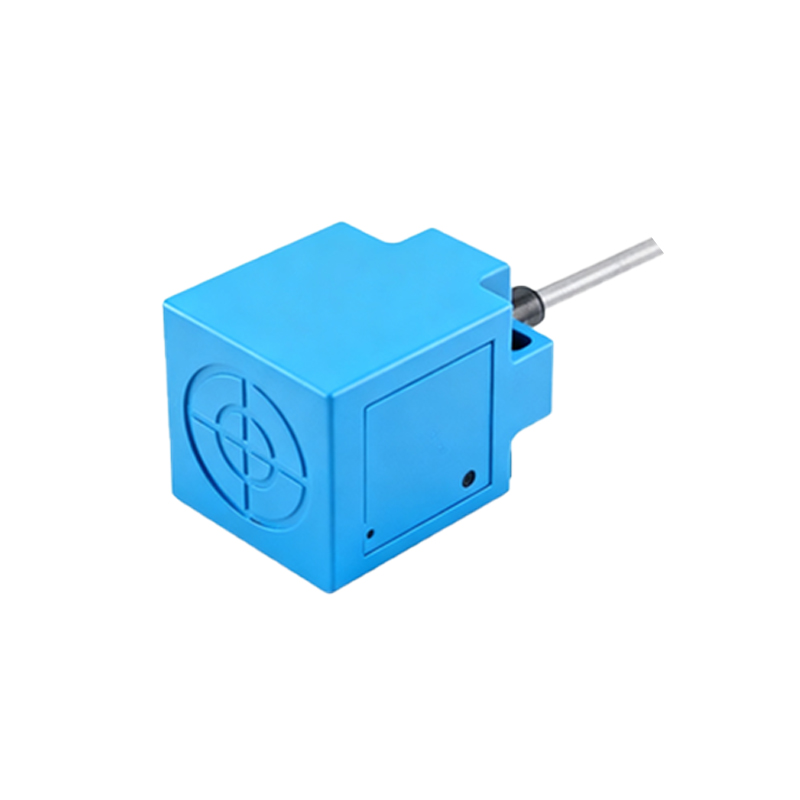
In industrial automation systems, proximity switch sensors play a critical role in detecting the presence or absence of objects without physical contact. However, the reliability and accuracy of these sensors heavily depend on proper mounting and fixation. A well-designed proximity switch sensor mounting bracket or holder ensures consistent performance, reduces false triggers, and extends the sensor's operational lifespan. This article explores key considerations, types, and best practices for selecting and implementing sensor mounting solutions in various industrial environments.
Mounting brackets for proximity sensors are typically constructed from durable materials such as stainless steel, aluminum, or engineered plastics. The choice of material depends on the application environment—factors like exposure to chemicals, temperature extremes, vibration, and mechanical stress must be evaluated. For instance, in washdown areas or corrosive settings, stainless steel or IP67-rated plastic holders are preferred to prevent degradation and ensure long-term stability.
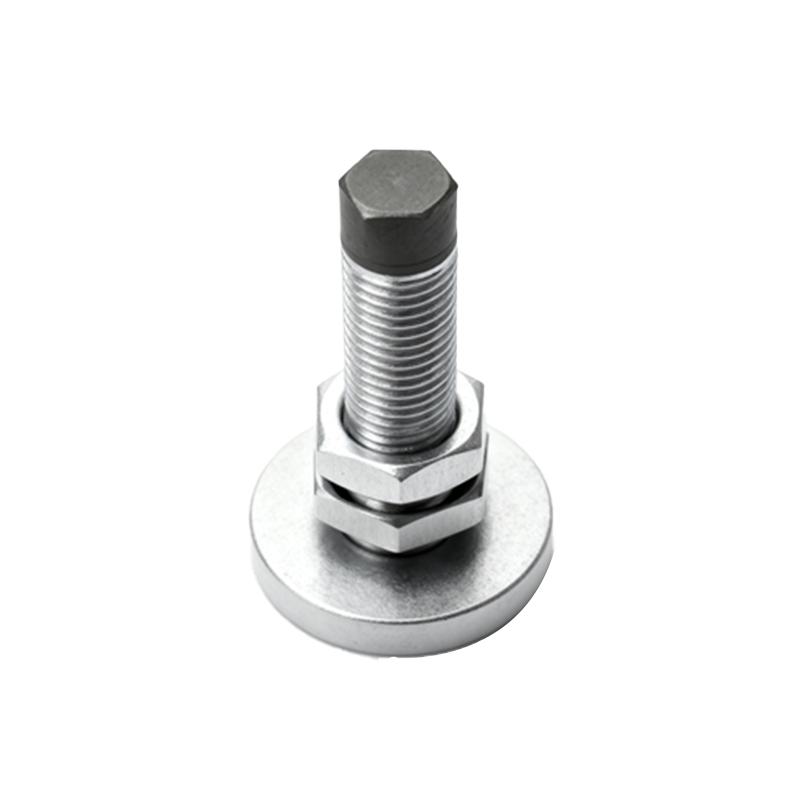
There are several common types of mounting fixtures for proximity switches. Universal adjustable brackets offer flexibility, allowing for precise positioning in multiple axes. These are ideal for prototyping or applications where sensor alignment may need frequent adjustments. Fixed mounting brackets provide rigid, permanent installation, minimizing movement and maintaining precise gap settings between the sensor and target. Slide-in or rail-mounted systems enable quick sensor replacement or repositioning along standardized rails, reducing downtime during maintenance or reconfiguration.
Proper installation is paramount. The mounting bracket must secure the sensor firmly to prevent any wobble or shift that could affect detection accuracy. Additionally, the sensor's sensing face should be oriented correctly relative to the target object. For inductive proximity sensors, the mounting bracket should avoid using ferrous metals too close to the sensing area, as this can reduce the effective sensing range. Similarly, for capacitive sensors, holders should minimize exposure to non-target materials that might cause interference.
Environmental protection is another crucial aspect. Many mounting solutions incorporate features such as cable strain relief, sealing gaskets, or protective shrouds to shield the sensor and its connections from dust, moisture, and physical impact. In high-vibration machinery, anti-vibration pads or locking mechanisms can be integrated into the bracket design to maintain sensor integrity.
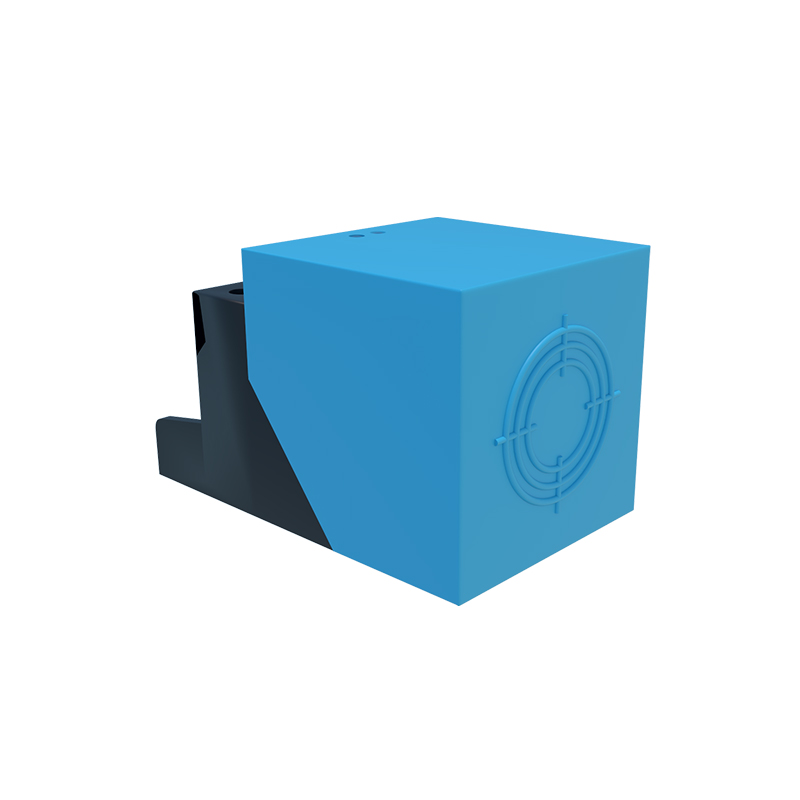
When integrating proximity sensor mounts into a control system, consider accessibility for calibration and maintenance. Modular mounting systems that allow tool-less adjustments can significantly streamline troubleshooting and sensor replacement processes. Furthermore, adherence to industry standards, such as those from IEC or ISO, ensures compatibility and safety across automated equipment.
In summary, selecting the right proximity switch sensor mounting solution is not merely a mechanical task—it directly influences system reliability, precision, and efficiency. By evaluating application-specific requirements, environmental conditions, and maintenance needs, engineers can implement robust mounting strategies that optimize sensor performance and contribute to seamless industrial automation operations. Investing in high-quality, appropriately designed mounting hardware ultimately reduces operational costs by minimizing sensor failures and production interruptions.