In the demanding world of industrial automation, the reliability of sensing technology is paramount. Among the most critical components are proximity sensors, which detect the presence or absence of objects without physical contact. However, standard sensors often fail prematurely in aggressive settings, leading to costly downtime and maintenance. This is where corrosion-resistant proximity sensors become indispensable. Engineered to withstand some of the harshest conditions, these specialized devices ensure continuous operation and long-term system integrity.
The primary threat to conventional proximity sensors is environmental corrosion. Industries such as chemical processing, marine and offshore operations, food and beverage production, wastewater treatment, and metal fabrication expose equipment to a constant barrage of corrosive agents. These include saltwater spray, acidic or alkaline mists, chlorine, various chemical solvents, and high-humidity atmospheres. Standard sensor housings, typically made from materials like nickel-plated brass or certain plastics, can quickly degrade. Corrosion compromises the sensor's housing integrity, damages electrical connections, and can eventually lead to internal component failure, resulting in false signals or a complete loss of detection capability.
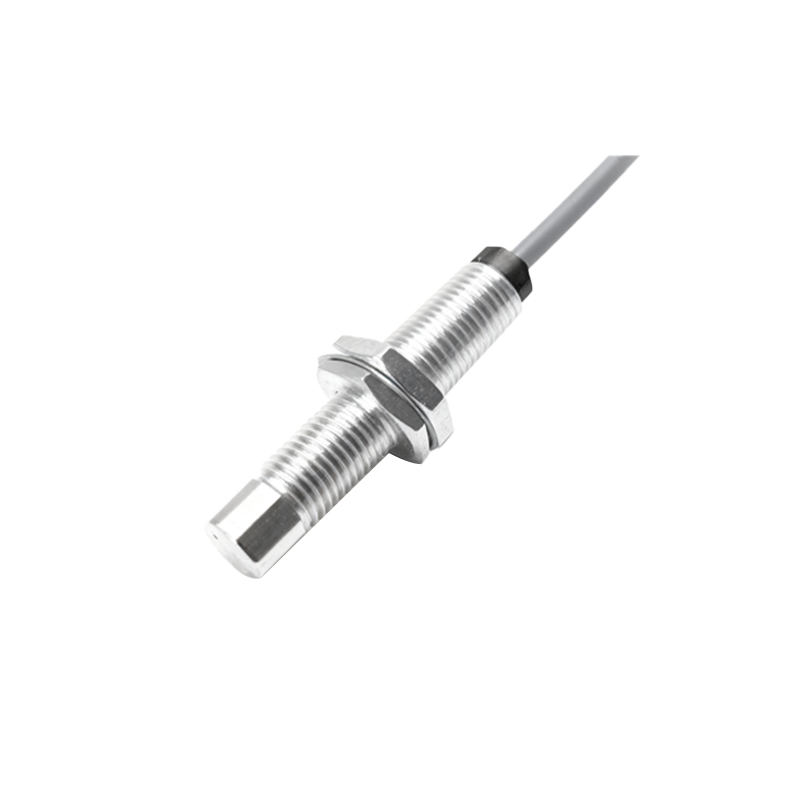
To combat these challenges, corrosion-resistant proximity sensors are constructed with advanced materials and superior sealing technologies. The most common and effective housing material for severe duty is stainless steel, particularly grades 316 or 316L. This austenitic steel offers excellent resistance to a wide range of chemicals and chlorides. For the sensing face, materials like PTFE (Teflon) or PPS (Polyphenylene Sulfide) are often employed, as they are inert to most corrosive substances and prevent the buildup of residues. The sealing is another critical aspect. High-quality sensors achieve ingress protection ratings of IP67, IP68, or IP69K. The IP69K rating, for instance, certifies the sensor can withstand high-pressure, high-temperature washdowns, making it ideal for food-grade hygienic environments where caustic cleaning agents are used daily.
Beyond material selection, the design and manufacturing process is crucial. A truly corrosion-resistant sensor features a fully welded, hermetic housing that eliminates gaps or seams where moisture and contaminants could penetrate. The cable entry point or connector is a potential weak spot, so it must be equipped with a robust, chemically resistant gland or a molded cable connection. Furthermore, the internal electronics are often potted with a special epoxy resin to protect against vibration, thermal shock, and any incidental moisture ingress that might occur over years of service.
The benefits of deploying these ruggedized sensors are substantial. The most obvious is dramatically increased service life. Where a standard sensor might last months in a corrosive environment, a properly specified corrosion-resistant model can operate reliably for many years. This translates directly into reduced replacement costs, lower spare parts inventory, and less frequent maintenance interventions. More importantly, it maximizes production uptime by preventing unplanned stoppages caused by sensor failure. In safety-critical applications, such as detecting the position of a valve in a chemical plant, this reliability is non-negotiable.
Selecting the right corrosion-resistant proximity sensor requires a careful analysis of the application. Engineers must identify the specific corrosive agents present, their concentration, and the temperature ranges. Other factors include the required sensing range, output type (e.g., PNP, NPN, analog, IO-Link), and electrical connection. It is also vital to consider mechanical factors like potential physical impact or abrasion. Consulting with sensor manufacturers during the specification phase is highly recommended, as they can provide material compatibility charts and recommend the optimal model for the specific environmental challenge.
In conclusion, corrosion-resistant proximity sensors are not merely an optional upgrade but a necessary investment for industries operating in harsh conditions. Their advanced material science and engineering design provide a robust defense against degradation, ensuring accurate, non-contact detection where it is needed most. By specifying these durable devices, engineers and plant managers build a foundation for resilient, efficient, and cost-effective automation systems, safeguarding productivity and asset value in the face of corrosive challenges.