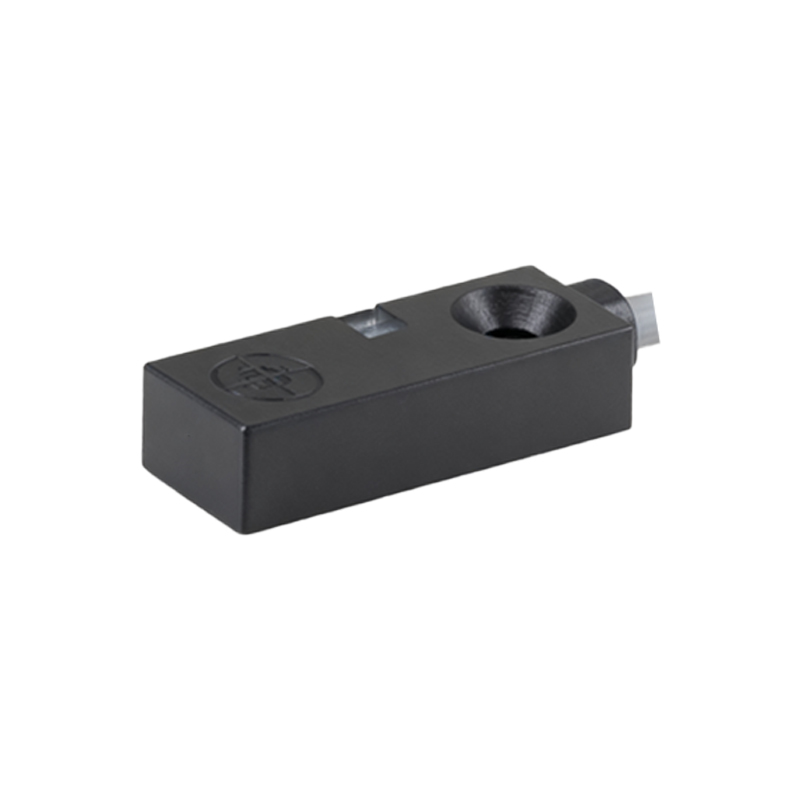
In the realm of industrial automation and safety systems, proximity sensors designed for door edge detection play a pivotal role. These specialized sensors are engineered to detect the presence or position of a door without physical contact, thereby preventing collisions, ensuring operator safety, and enabling seamless automated processes. Unlike traditional mechanical limit switches, proximity sensors offer a non-contact solution, which translates to higher reliability, longer service life, and minimal maintenance requirements.
The core technology behind these sensors varies, with inductive, capacitive, and magnetic types being the most prevalent. Inductive proximity sensors are ideal for detecting metallic doors or targets. They generate an electromagnetic field and react to changes caused by conductive materials. For non-metallic doors, such as those made of wood or composite materials, capacitive sensors are the preferred choice. They detect changes in capacitance caused by the presence of any object, regardless of material. Magnetic sensors, often utilizing reed switches or Hall effect technology, are commonly employed in conjunction with a magnet mounted on the moving door part, offering a simple and cost-effective solution for position sensing.
When selecting a proximity sensor for door edge applications, several critical factors must be considered. The sensing range, typically a few millimeters to several centimeters, must be appropriate for the door's movement and mounting constraints. Environmental conditions are paramount; sensors must be rated for the specific operating temperature, humidity, and potential exposure to dust, oils, or chemicals. In harsh industrial environments, sensors with high Ingress Protection (IP) ratings, such as IP67 or IP69K, are essential to ensure durability. Additionally, the output type—whether NPN, PNP, analog, or IO-Link—must be compatible with the existing control system, such as a PLC (Programmable Logic Controller).
Installation and alignment are crucial for optimal performance. Misalignment can lead to false triggering or failure to detect. Many modern sensors feature built-in LED indicators for easy alignment and status monitoring. For sliding doors, sensors are often mounted on the stationary frame, with the target (the door edge or a dedicated metal flag) passing through the sensing field. In swinging door applications, the sensor might be mounted on the door jamb, detecting the door panel itself. Proper shielding is also necessary to prevent electromagnetic interference from nearby motors or frequency drives, which could cause erratic behavior.
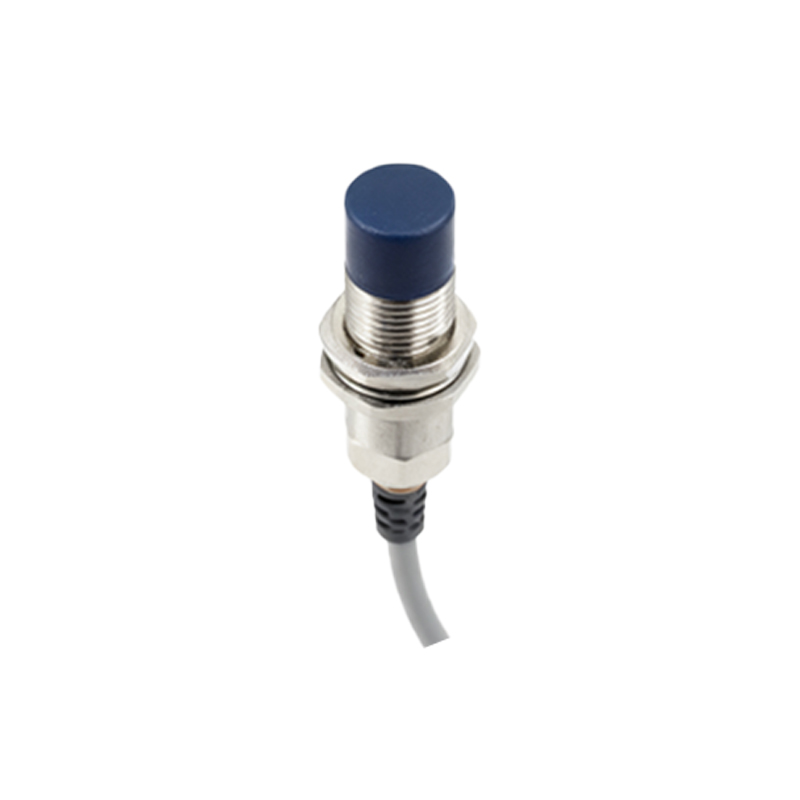
The integration of these sensors into broader safety systems is a key aspect. They can be directly wired into safety relays or safety PLCs to form part of a machine's safety circuit, often achieving Performance Level (PL) d or e according to ISO 13849. For instance, in an automated warehouse, a door edge sensor can signal a conveyor system to pause when a personnel access door is opened, preventing accidents. In elevator systems, they ensure doors are fully closed before movement is initiated.
Advancements in sensor technology continue to enhance their capabilities. Modern intelligent sensors with IO-Link communication provide not just a simple on/off signal but also diagnostic data, such as operating temperature, signal strength, and potential contamination levels. This facilitates predictive maintenance, reducing unplanned downtime. Furthermore, the development of miniaturized sensors allows for installation in space-constrained areas without compromising detection performance.
In conclusion, proximity sensors for door edge detection are indispensable components in modern industrial and commercial settings. Their ability to provide reliable, non-contact detection contributes significantly to operational safety, efficiency, and the overall robustness of automated systems. By carefully considering the application requirements—material, environment, sensing range, and output needs—engineers can select and implement the optimal sensor solution, ensuring doors operate safely and intelligently within any automated workflow.