In the rapidly evolving landscape of automotive technology, the integration of sophisticated sensing systems has become paramount. Among these, in-cabin laser sensors, particularly those utilizing LiDAR (Light Detection and Ranging) and time-of-flight (ToF) principles, are emerging as critical components for next-generation vehicle interiors. These sensors are fundamentally reshaping the paradigms of occupant safety, comfort, and human-machine interaction (HMI).
Unlike traditional camera-based systems, laser sensors operate by emitting near-infrared laser pulses and measuring the time it takes for the light to reflect off objects within the cabin. This technology generates highly accurate, three-dimensional point cloud data of the interior space, independent of ambient lighting conditions. This capability is a game-changer for several core automotive applications.
The foremost application is advanced occupant safety systems. Modern regulations and safety ratings, such as those from Euro NCAP, are increasingly mandating robust occupant detection for airbag deployment optimization. A laser-based system can precisely determine the size, position, and posture of every occupant—whether an adult, a child, or a child in a rear-facing seat. It can detect if an occupant is out-of-position, leaning against the door, or slouched, enabling the airbag control unit to deploy with appropriate force or suppress deployment entirely to prevent injury. This granular level of detection far surpasses the capabilities of simple weight sensors in seats.
Beyond crash safety, these sensors are pivotal for driver monitoring systems (DMS). Fatigue and distraction are leading causes of accidents. A cabin LiDAR or ToF sensor can continuously and unobtrusively track the driver's head pose, eyelid closure (PERCLOS), and gaze direction. It can detect signs of drowsiness, such as prolonged eye closure or head nodding, and distraction, such as looking away from the road for an extended period. The system can then trigger escalating alerts—from haptic feedback in the seat or steering wheel to audible warnings—to re-engage the driver. This functionality is essential for vehicles with advanced driver-assistance systems (ADAS) and is a cornerstone for future conditional automation (SAE Level 3), where understanding driver readiness is critical.
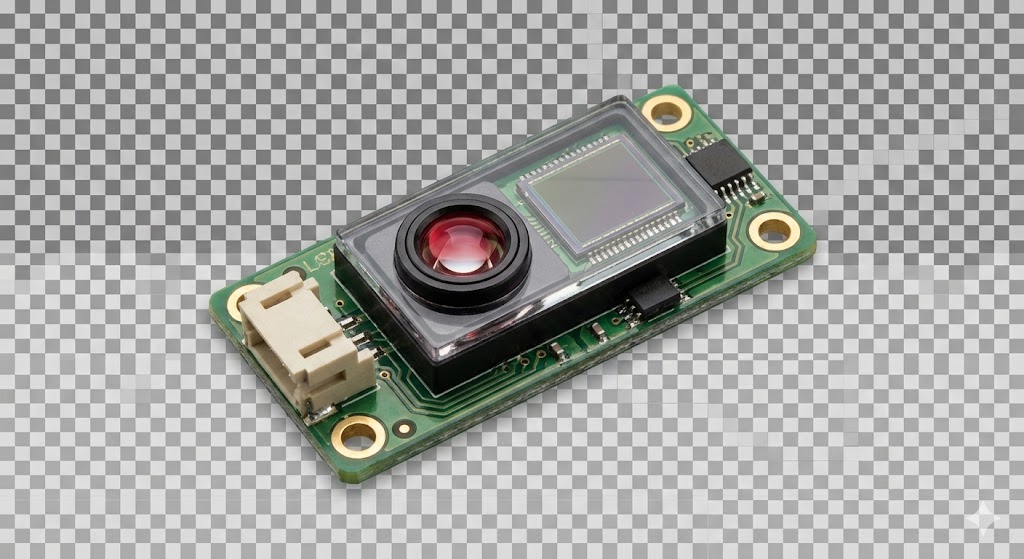
The technology also unlocks new frontiers in comfort and convenience through gesture recognition and presence detection. A high-resolution ToF sensor mounted in the overhead console or dashboard can interpret simple hand gestures. A swipe in the air could adjust volume, answer a call, or navigate through infotainment menus, reducing the need for physical touch and minimizing distraction. Furthermore, these sensors excel at presence detection. They can identify if a child or pet has been inadvertently left in a parked vehicle, triggering alerts to the driver's smartphone and potentially activating climate control to prevent heatstroke—a critical safety feature.
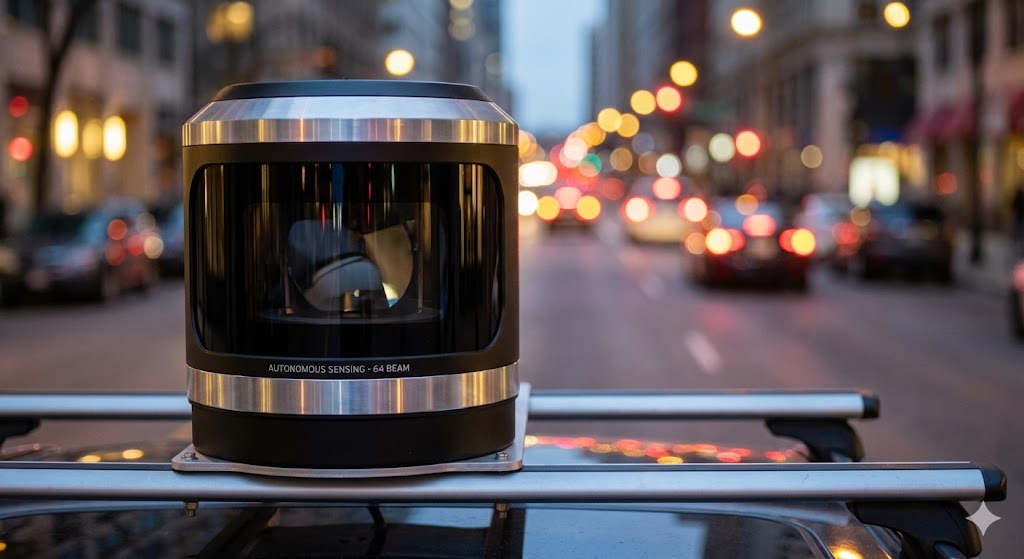
Moreover, in-cabin laser sensors contribute to personalized comfort settings. By recognizing a specific occupant upon entry, the system can automatically adjust seat position, mirror angles, preferred climate zones, and even infotainment profiles. As vehicles move towards shared mobility models, this personalization becomes increasingly valuable.
However, the deployment of in-cabin laser technology is not without its engineering challenges. Sensor placement is critical to ensure a complete, unobstructed field of view of all seating positions. The system must be robust against various interior materials, sunlight interference through windows, and the presence of everyday objects like bags or coats. Data processing and fusion are also complex; the raw point cloud data must be processed in real-time by powerful, yet power-efficient, electronic control units (ECUs) using advanced machine learning algorithms to accurately classify objects and occupant states. Privacy is another significant consideration, as these sensors capture detailed interior data. Manufacturers must implement robust data anonymization and encryption protocols, ensuring that data is processed locally whenever possible and that users have clear transparency and control.
Looking ahead, the role of in-cabin laser sensors will only expand. They are expected to be integral to creating immersive augmented reality (AR) head-up displays (HUDs) that adapt content based on driver gaze. In autonomous vehicles, they will be essential for verifying that the cabin is ready for an automated driving mode and for monitoring occupants who may be reading, sleeping, or working while the vehicle is in motion.
In conclusion, in-cabin laser sensors represent a significant technological leap for the automotive interior. By providing precise, reliable, and lighting-agnostic 3D perception, they form the sensory foundation for a new era of safety that is proactive and adaptive, and for user experiences that are intuitive and personalized. As the technology matures and costs decrease, it is poised to transition from a premium feature to a standard, life-saving component in vehicles worldwide, marking a quiet revolution inside the cabin that matches the one happening under the hood and on the road.