In the realm of industrial automation and process control, the ability to reliably detect the presence or absence of an object in extreme environments is paramount. High-temperature proximity sensors have emerged as critical components, engineered to deliver unwavering performance where standard sensors would fail. These robust devices are specifically designed to withstand intense heat, making them indispensable in sectors such as metal processing, automotive manufacturing, glass production, and foundries.
The core challenge in high-temperature environments is the degradation of standard sensor materials and electronics. Conventional inductive or capacitive proximity sensors typically have operational temperature ceilings around 70-80°C. Beyond this point, internal components like coils, capacitors, and semiconductors can experience thermal expansion, altered magnetic properties, and ultimately, catastrophic failure. High-temperature proximity sensors overcome these limitations through advanced engineering. Key design strategies include the use of specialized, heat-resistant materials for the sensor face and housing, such as PEEK (Polyether Ether Ketone), ceramic, or specific high-grade stainless-steel alloys. Furthermore, critical electronic components are often potted with high-temperature epoxy resins or thermally insulated. In some designs, the sensing element is separated from the signal conditioning electronics via a long, thermally resistant cable, effectively distancing the sensitive circuitry from the heat source.
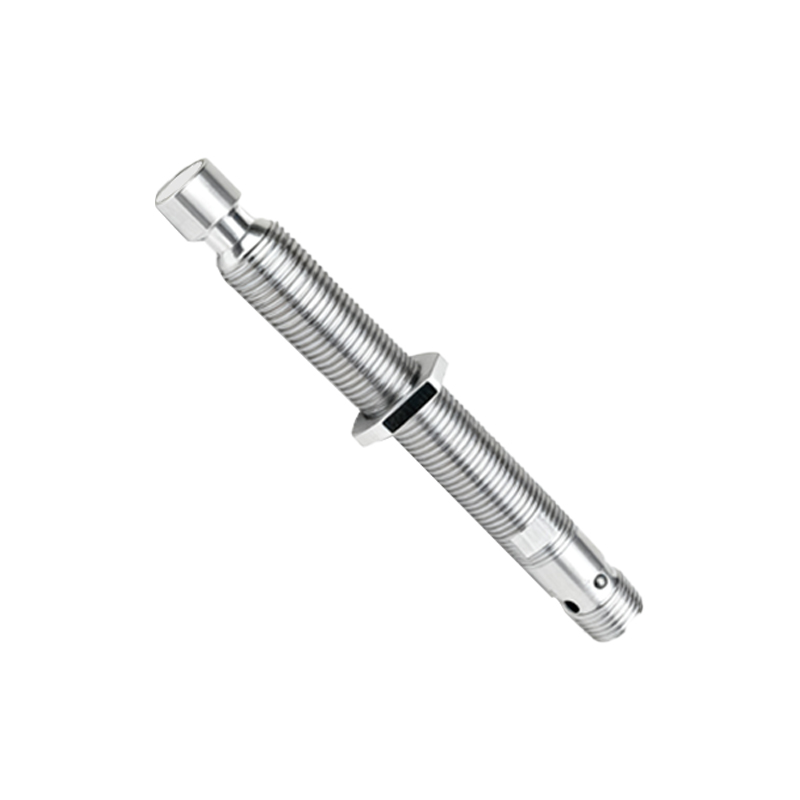
Two primary sensing technologies dominate the high-temperature landscape: inductive and capacitive. High-temperature inductive proximity sensors are used to detect metallic objects. They generate an electromagnetic field, and when a metal target enters this field, it causes a change in oscillation amplitude, triggering the sensor's output. These are ideal for applications like detecting hot forgings, molten metal ladles, or turbine blades. High-temperature capacitive sensors, on the other hand, can detect both metallic and non-metallic materials (e.g., glass, plastics, liquids) by sensing changes in capacitance. This makes them suitable for level detection of hot liquids, monitoring the position of ceramic parts in kilns, or detecting hot plastic sheets.
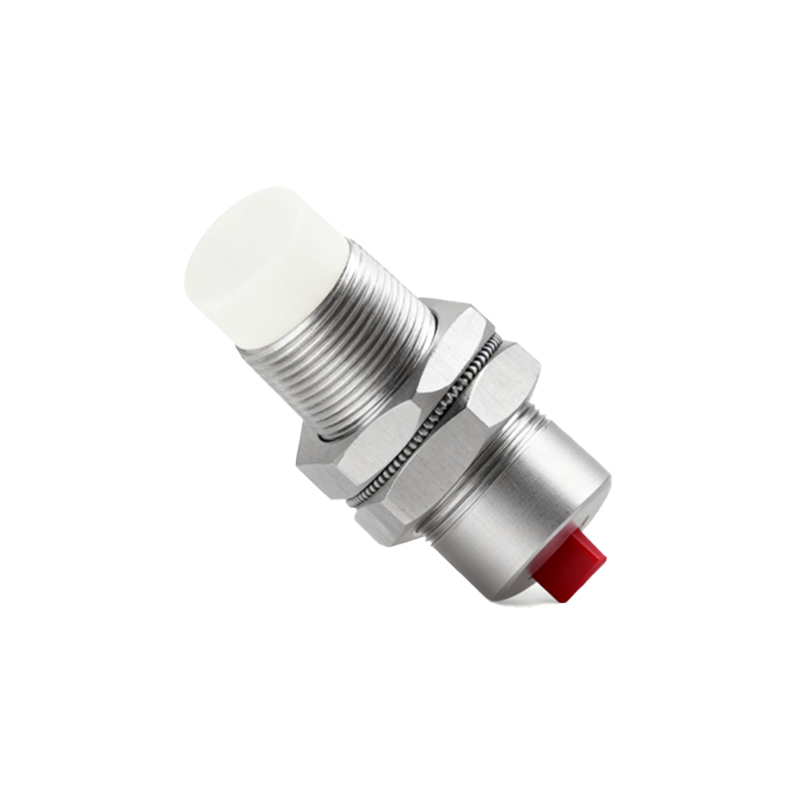
Selecting the appropriate high-temperature proximity sensor requires careful consideration of several parameters beyond just the ambient temperature. The sensing distance, or rated operating distance, may be reduced at elevated temperatures, so derating factors provided by the manufacturer must be applied. The housing material must be compatible with the environment, considering not only heat but also potential exposure to chemicals, abrasion, or thermal shock. Ingress Protection (IP) ratings are crucial to ensure the sensor is sealed against dust and moisture, which can be exacerbated by thermal cycling. Output types (PNP/NPN, analog, IO-Link) and connection methods (pre-wired cables or connectors) must also be chosen to integrate seamlessly with the existing control system.
Real-world applications vividly illustrate their importance. In a die-casting facility, high-temperature inductive sensors monitor the position of the molten metal injection piston, ensuring precise filling and preventing damage to the machine. Within automotive paint shops, sensors capable of withstanding the high temperatures of curing ovens track the position of car bodies on the conveyor. In glass manufacturing, capacitive sensors detect the presence of red-hot glass bottles on a annealing lehr conveyor, ensuring proper spacing and process flow. Without these specialized sensors, automation in these harsh conditions would be unreliable, leading to increased downtime, safety hazards, and product quality issues.
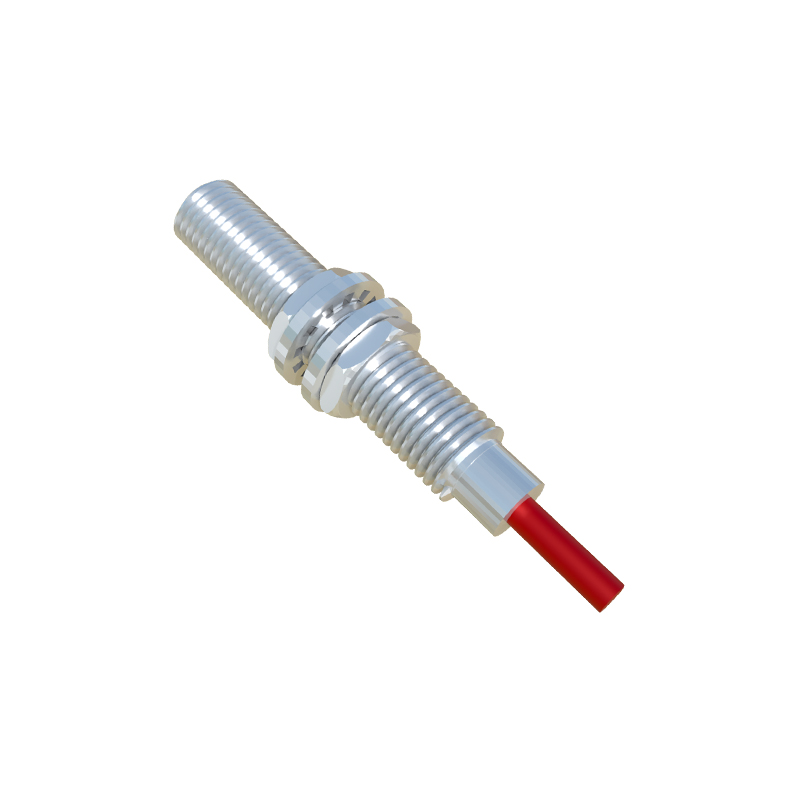
Maintenance and installation practices are also specialized. While these sensors are built for durability, proper installation is key to longevity. They should be mounted in a way that minimizes direct radiant heat exposure whenever possible. Using mounting brackets or heat shields can provide additional protection. Regular checks for physical damage to the housing or cable insulation are necessary, as thermal stress can accelerate wear. It is also vital to source these sensors from reputable suppliers who provide clear technical data, including detailed temperature profiles, derating curves, and material certifications.
In conclusion, high-temperature proximity sensors are not merely variants of standard models; they are purpose-built solutions for extreme industrial challenges. Their development represents a significant advancement in sensing technology, enabling automation and precise control in environments previously considered too hostile for reliable electronic detection. As industries continue to push the boundaries of efficiency and process temperatures, the role of these resilient sensors will only grow in significance, forming the reliable sensory foundation for the hottest corners of modern manufacturing.