In industrial automation and control systems, proximity sensors are indispensable components for non-contact detection of objects. A common point of inquiry and sometimes concern among maintenance technicians and engineers is the illumination of a yellow (often amber) indicator light on these sensors. Unlike the straightforward green-for-power or red-for-alarm, the yellow light carries specific meanings that are crucial for optimal system performance and troubleshooting.
Primarily, the yellow LED on a proximity sensor serves as a status or output indicator. Its behavior is defined by the sensor's design and the manufacturer's specifications, but several universal interpretations exist across the industry. The most frequent function is to signal that the sensor is actively detecting a target within its nominal sensing range. When an object enters this field, the sensor's output switches state (e.g., from OFF to ON, or PNP to NPN conduction), and the yellow light illuminates or changes its blinking pattern to provide visual confirmation. This immediate feedback is invaluable during machine setup, teaching sequences, or manual testing, allowing personnel to verify detection without relying solely on the PLC or control panel.
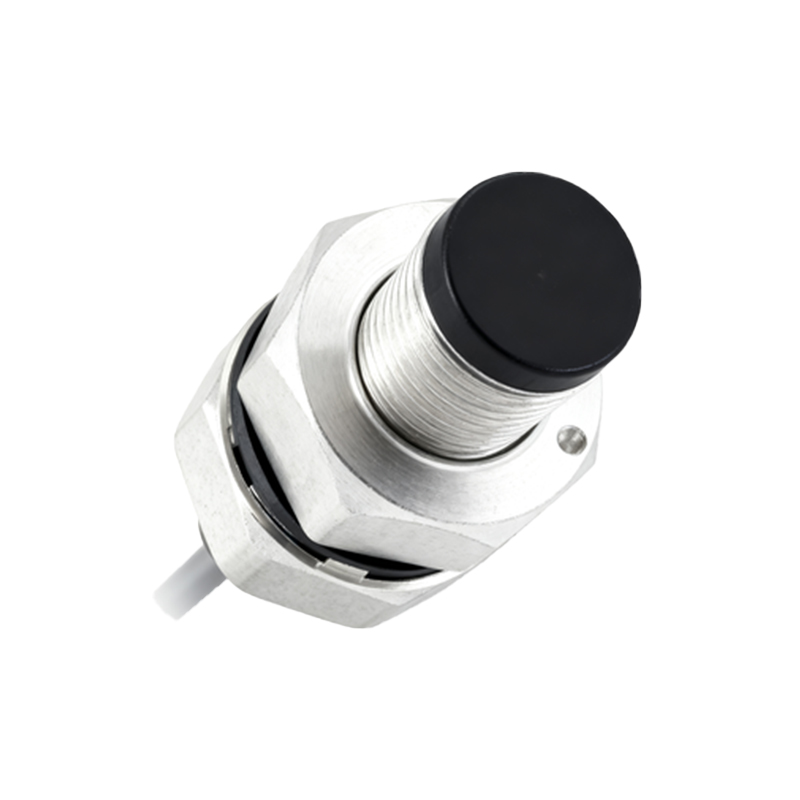
However, a steady or blinking yellow light is not always synonymous with normal target detection. It can indicate an operational mode or a specific condition. For instance, in certain intelligent or programmable sensors, a slow-blinking yellow light might signify a standby mode, a learned sensing threshold, or that the device is in a teach-in mode for setting parameters. Conversely, a rapidly blinking yellow pattern often points to a warning or a marginal operating condition rather than a hard fault. This could include scenarios such as the detected object being at the very edge of the sensing range, causing a weak or unstable signal. It might also indicate electrical issues like supply voltage nearing the lower tolerance limit, excessive load current, or potential output short-circuit protection being activated intermittently.
Understanding the specific blink code or steady-state meaning requires consulting the sensor's datasheet or manual. Manufacturers like Siemens, Omron, Pepperl+Fuchs, and Balluff use yellow indicators with distinct patterns to convey diagnostics. For example, two short blinks followed by a pause might indicate one type of warning, while three blinks indicate another. Ignoring these warnings can lead to intermittent machine faults, reduced process reliability, or eventual sensor failure.
Another critical scenario involves sensors with built-in diagnostics or IO-Link capability. Here, the yellow LED becomes a dynamic communication tool. It can show not just "target present" but also device health, parameterization status, or communication activity. An IO-Link sensor might use a solid yellow light to show a valid data exchange with the master, while a blinking pattern could indicate a mismatch in parameters or a communication error.
When encountering a yellow light, a systematic approach is recommended. First, verify the basics: ensure the power supply is stable and within the specified range (e.g., 10-30V DC). Second, observe the light's behavior in relation to the target. Does it turn on solidly with a target at the correct distance? Does it blink erratically? Third, cross-reference the control system. Is the PLC input registering correctly in tandem with the LED? A discrepancy might point to wiring issues (e.g., a loose shield, damaged cable) or a failing output transistor in the sensor. Finally, always consult the device documentation. Do not assume the yellow light means the same thing across different models or brands.
In summary, the yellow indicator on a proximity sensor is a vital diagnostic and status tool. It transcends a simple "on" signal, providing insights into detection stability, operational mode, electrical health, and potential pre-failure warnings. By correctly interpreting its language—steady, slow blink, fast blink—engineers and technicians can move from reactive maintenance to proactive condition monitoring, ensuring higher machine availability and preventing costly unplanned downtime. Treating the yellow light as a meaningful communication point, rather than just an indicator, is a hallmark of effective industrial automation practice.