In the rapidly evolving landscape of industrial automation, proximity sensor integrated circuits (ICs) have emerged as fundamental components, enabling precise, non-contact detection of objects. These sophisticated semiconductor devices are engineered to sense the presence, absence, or position of metallic or non-metallic targets without any physical contact, thereby eliminating mechanical wear and enabling high-speed, reliable operations in demanding environments. Unlike traditional mechanical limit switches, proximity sensor ICs offer superior longevity, resistance to contamination, and consistent performance, making them indispensable in applications ranging from assembly lines and robotic systems to automotive safety and consumer electronics.
The core operational principle of most industrial proximity sensors, particularly inductive and capacitive types, revolves around an oscillator circuit and a sensing coil or electrode integrated into the IC. In an inductive proximity sensor IC, the internal oscillator generates a high-frequency electromagnetic field that emanates from the active face of the sensor. When a metallic target enters this field, eddy currents are induced on the target's surface. This causes a measurable change in the oscillation amplitude or frequency within the sensor's circuitry. The IC's integrated signal conditioning and processing units detect this change, subsequently triggering a solid-state output switch. Capacitive sensor ICs operate on a similar principle but respond to changes in capacitance caused by the presence of any material, including liquids, plastics, or granular substances, altering the dielectric constant near the sensing electrode.
Modern proximity sensor ICs represent a significant leap in integration and intelligence. Today's chips often incorporate not just the oscillator and amplifier, but also advanced features like built-in diagnostics, temperature compensation, programmable sensing distances, and various output configurations (e.g., NPN, PNP, push-pull, analog). This high level of integration simplifies system design, reduces external component count, and enhances overall reliability. For instance, diagnostic functions can monitor parameters such as supply voltage, output load current, or short-circuit conditions, providing predictive maintenance data and preventing unexpected downtime. Furthermore, the advent of IO-Link communication capability in sensor ICs allows for bidirectional digital data exchange, enabling remote parameter configuration, real-time process data monitoring, and seamless integration into Industry 4.0 and Industrial Internet of Things (IIoT) frameworks.
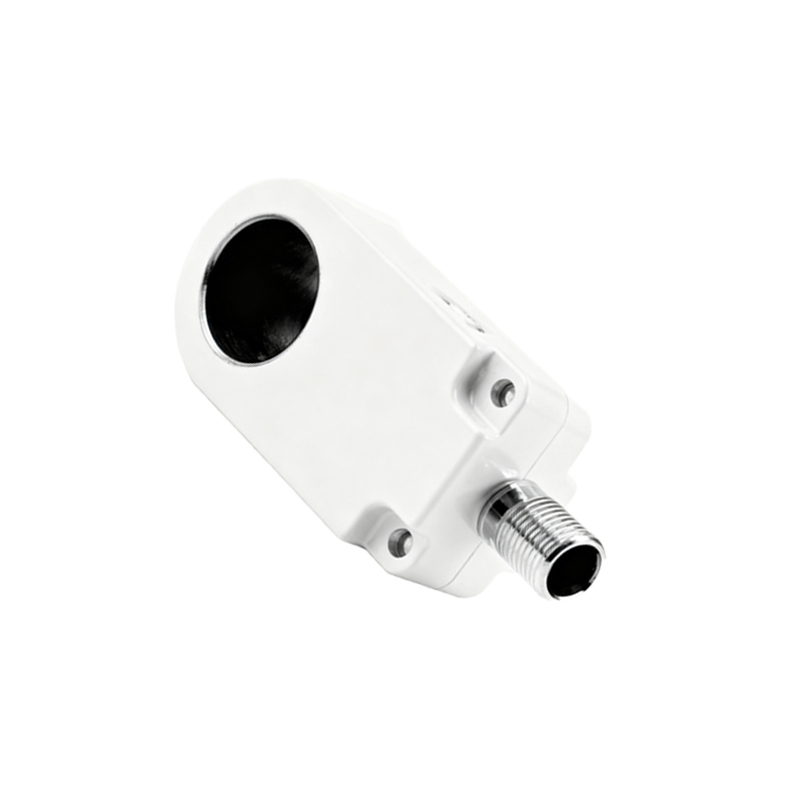
The selection of an appropriate proximity sensor IC is critical and depends on several key application parameters. The sensing distance, or nominal range, must be carefully chosen with an appropriate safety margin to account for target material, size, and environmental factors. Target material is paramount; inductive ICs are exclusively for metals, with factors like the target's material composition (steel, aluminum, brass) and size affecting the effective sensing range. Environmental robustness is another crucial consideration. High-quality ICs are designed to withstand extreme temperatures, voltage transients, electromagnetic interference (EMI), and physical shocks common in industrial settings. Many are housed in robust packages with ingress protection (IP) ratings (e.g., IP67, IP69K) to resist dust, oils, and high-pressure washdowns.
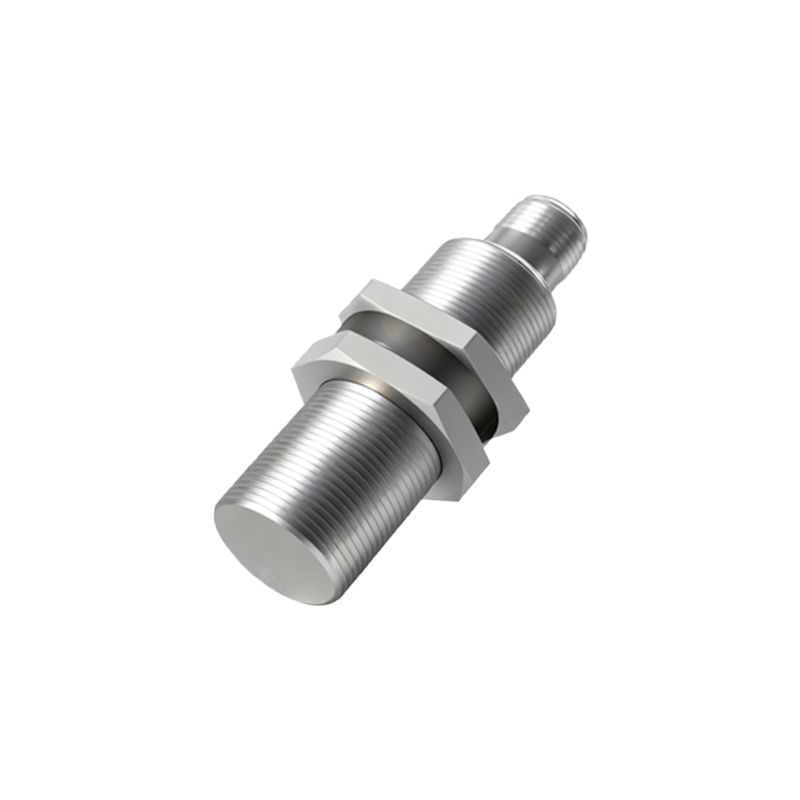
Looking ahead, the trajectory for proximity sensor IC technology points toward even greater miniaturization, enhanced sensing capabilities, and deeper smart functionality. Future developments will likely focus on multi-parameter sensing chips that can simultaneously detect proximity, temperature, and material composition. Ultra-low-power designs will expand their use in battery-operated and wireless sensor networks. Additionally, the integration of artificial intelligence at the edge will enable sensors to perform complex pattern recognition and adaptive decision-making locally, reducing latency and network load. As automation systems become more complex and interconnected, the humble proximity sensor IC will continue to be a vital, intelligent node, driving efficiency, safety, and innovation across countless industries. Its evolution from a simple switch to a smart, connected device underscores its central role in the intelligent factory of the future.