The realm of proximity sensing technology is undergoing a period of significant and rapid evolution. Once primarily confined to industrial safety applications and basic object detection, proximity sensors have become ubiquitous, embedded in devices and systems that define modern life. The current state of this technology is characterized by a convergence of miniaturization, enhanced intelligence, and a dramatic expansion in application scope, driven by demands from consumer electronics, automotive innovation, and smart infrastructure.
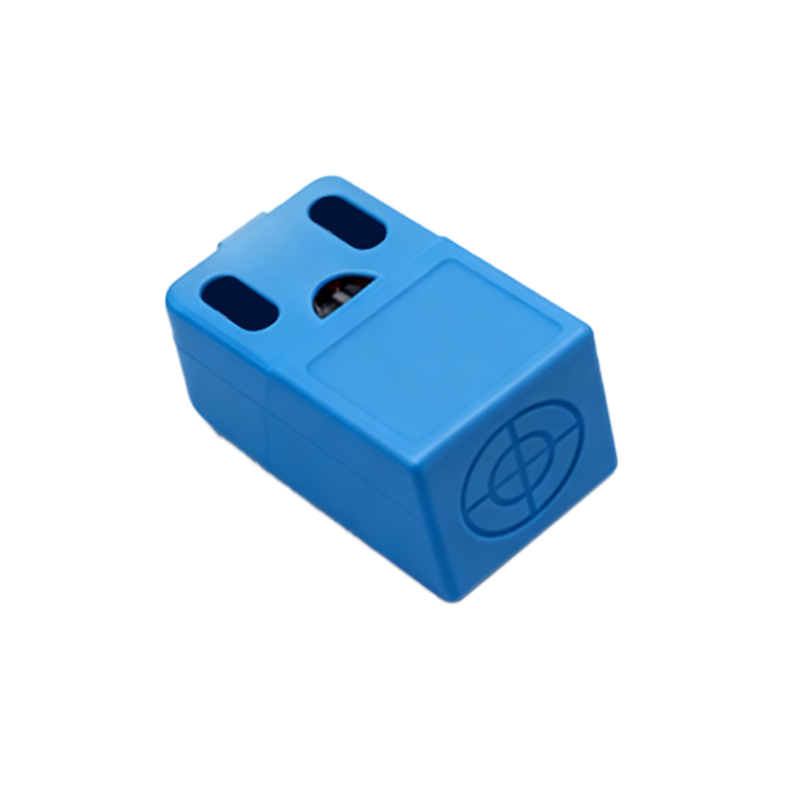
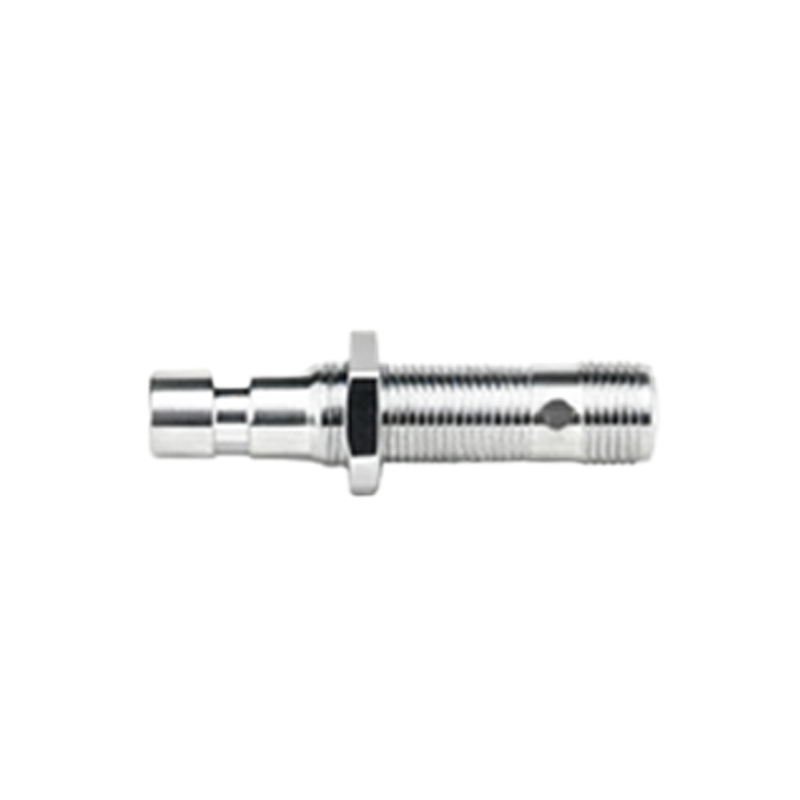
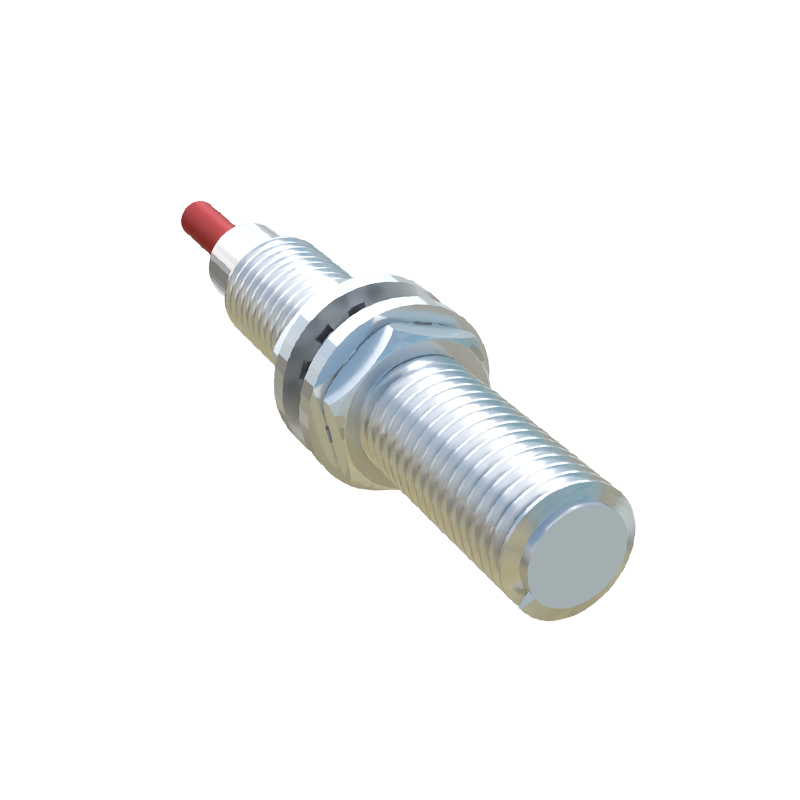
At the core of this evolution are the diverse sensing principles that have matured and diversified. Inductive sensors remain the stalwart for metallic object detection in harsh industrial environments, prized for their robustness and reliability. Capacitive sensors have seen substantial improvements in sensitivity and noise immunity, allowing them to detect a wider range of materials, including liquids and human presence, which is crucial for touchless interfaces and level sensing. Ultrasonic sensors continue to excel in distance measurement and presence detection in challenging conditions like dust or fog, finding new roles in robotics and automated guided vehicles (AGVs).
However, the most transformative advancements are visible in optical proximity sensors, particularly those utilizing infrared (IR) light. Modern IR sensors integrate sophisticated components like vertical-cavity surface-emitting lasers (VCSELs) and highly sensitive photodiodes. Coupled with advanced algorithms for ambient light rejection and signal processing, these sensors deliver unprecedented accuracy and power efficiency. This is most evident in smartphones and tablets, where they enable features like automatic display dimming during calls and wake-on-approach functionalities, directly contributing to improved battery life and user experience.
The concept of "proximity" itself is being redefined by sensor fusion. Stand-alone proximity detection is increasingly being integrated with other sensing modalities. In automotive applications, short-range radar and LiDAR modules work in concert with ultrasonic sensors to create detailed 3D maps of a vehicle's immediate surroundings for advanced driver-assistance systems (ADAS) and autonomous parking. This fusion creates a contextual awareness that a single sensor type cannot achieve, enhancing safety and enabling more complex automation.
The market landscape reflects this technological vitality. Growth is robust, propelled by several key sectors. The automotive industry is a primary driver, with each new vehicle model incorporating more sensors for interior monitoring (e.g., occupant detection for airbag deployment) and exterior sensing. Consumer electronics demand continues unabated, with sensors being integral to wearables, smart home devices (like touchless faucets and soap dispensers), and augmented/virtual reality systems for gesture recognition. Industrial automation and the rise of Industry 4.0 rely on networks of proximity sensors for machine condition monitoring, predictive maintenance, and flexible, collaborative robotics where safe human-robot interaction is paramount.
Despite the progress, challenges persist on the path forward. Designers constantly grapple with the trade-offs between range, accuracy, power consumption, size, and cost. For instance, achieving long-range detection with millimeter accuracy often requires more power and expensive components. Environmental interference—such as sunlight for optical sensors or acoustic noise for ultrasonic sensors—remains an engineering hurdle. Furthermore, as sensors become more connected within the Internet of Things (IoT), concerns regarding data security and the standardization of communication protocols gain prominence.
Looking ahead, the trajectory points toward even greater integration and intelligence. The development of micro-electromechanical systems (MEMS) is leading to sensors that are smaller, cheaper, and more power-efficient. Artificial intelligence and machine learning are beginning to be deployed at the sensor's edge, allowing for predictive analytics and anomaly detection directly within the sensor module, reducing latency and bandwidth needs. Emerging materials and novel sensing techniques, such as those based on terahertz waves, promise new capabilities for material characterization and detection through barriers.
In conclusion, the current state of proximity sensors is one of dynamic growth and sophistication. They have transitioned from simple switches to intelligent nodes within larger data ecosystems. Their performance continues to improve while their physical footprint shrinks, enabling applications previously considered impractical. As innovation addresses existing challenges related to power, interference, and integration, proximity sensing will become even more seamless and pervasive, forming an invisible yet essential layer of interaction between the digital and physical worlds across industries.