Proximity sensors are critical components in modern industrial automation, providing non-contact detection of metallic and non-metallic objects. However, their failure can lead to unexpected downtime, production losses, and safety hazards. Understanding the root causes of proximity sensor failure is essential for maintenance personnel and engineers to ensure system reliability. This article explores the primary reasons behind sensor malfunction and offers practical preventive strategies.
One of the most frequent causes of proximity sensor failure is environmental contamination. Industrial settings often expose sensors to dust, oil, coolant, metal chips, and other debris. These contaminants can accumulate on the sensor's sensing face, obstructing its electromagnetic or capacitive field. For instance, metallic shavings may adhere to an inductive proximity sensor, causing false triggering or reduced sensing range. Similarly, oil or grease buildup on a capacitive sensor can alter its dielectric constant, leading to erratic behavior. Regular cleaning using appropriate solvents and installing protective shields or housings can mitigate this issue. Ensuring sensors are rated for the specific environmental conditions (e.g., IP67 for dust and water resistance) is also crucial.
Electrical overload and voltage spikes represent another significant failure mode. Proximity sensors are sensitive to voltage fluctuations, surges, and incorrect wiring. Connecting a sensor to a power supply beyond its rated voltage can cause immediate damage to internal components like oscillators or output circuits. Additionally, voltage spikes from inductive loads (e.g., motors or solenoids) can induce transient voltages, degrading the sensor over time. To prevent this, engineers should implement protective measures such as surge suppressors, proper grounding, and using sensors with built-in protection against reverse polarity and short circuits. Adhering to manufacturer specifications for voltage and current ratings is non-negotiable.
Mechanical stress and physical damage often lead to premature sensor failure. Improper installation, such as overtightening mounting nuts or subjecting the sensor to excessive vibration, can crack housings or displace internal elements. In high-vibration environments, sensors may loosen from their mounts, affecting alignment and detection accuracy. Impact from machinery or tools can also cause direct physical harm. Selecting sensors designed for rugged applications, using vibration-resistant mounts, and following installation guidelines—including correct torque settings and secure cabling—can extend operational life. Regular inspections for signs of wear or misalignment are recommended.
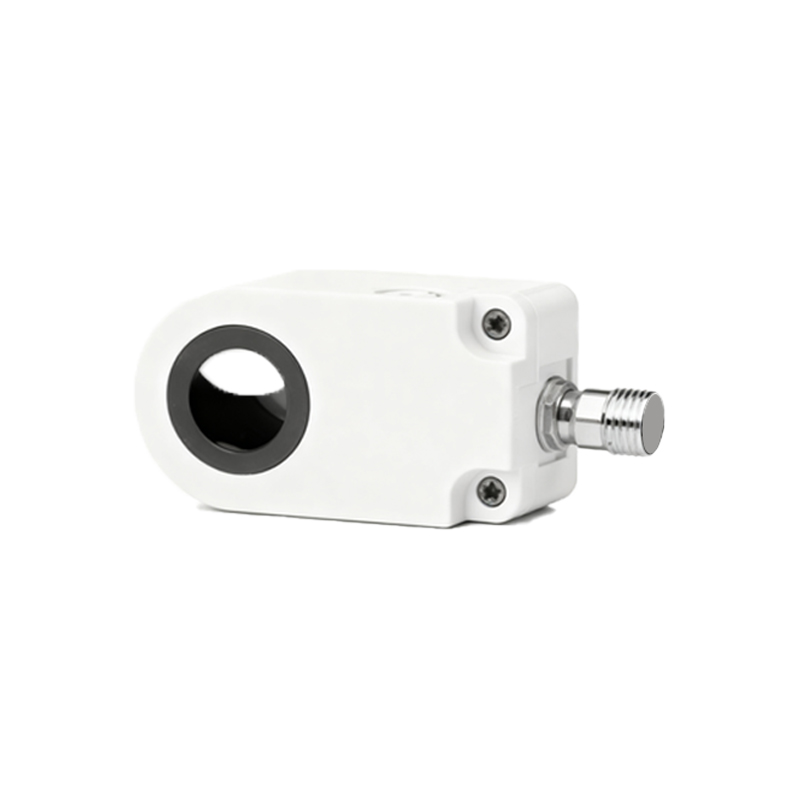
Temperature extremes pose a serious threat to proximity sensor performance. Operating outside the specified temperature range can affect electronic components, causing drift in sensing characteristics or complete failure. High temperatures may degrade insulation materials or solder joints, while low temperatures can make plastics brittle or condense moisture, leading to short circuits. In applications like welding or foundries, radiant heat can damage sensors not rated for such conditions. Solutions include choosing sensors with appropriate temperature ratings, installing heat shields, or using cooling systems. Monitoring ambient temperature and avoiding placement near heat sources are simple yet effective practices.
Internal component degradation over time is an inevitable factor. Proximity sensors rely on components like oscillators, coils, and semiconductors, which have finite lifespans. Continuous operation, especially in demanding cycles, can cause wear-out failures. For example, the oscillator in an inductive sensor may weaken, reducing its sensing distance. While this is a natural aging process, it can be accelerated by harsh environments or electrical stress. Implementing predictive maintenance—such as periodic testing of sensing range and response time—helps identify aging sensors before they fail. Replacing sensors proactively based on usage hours or historical data can prevent unexpected breakdowns.
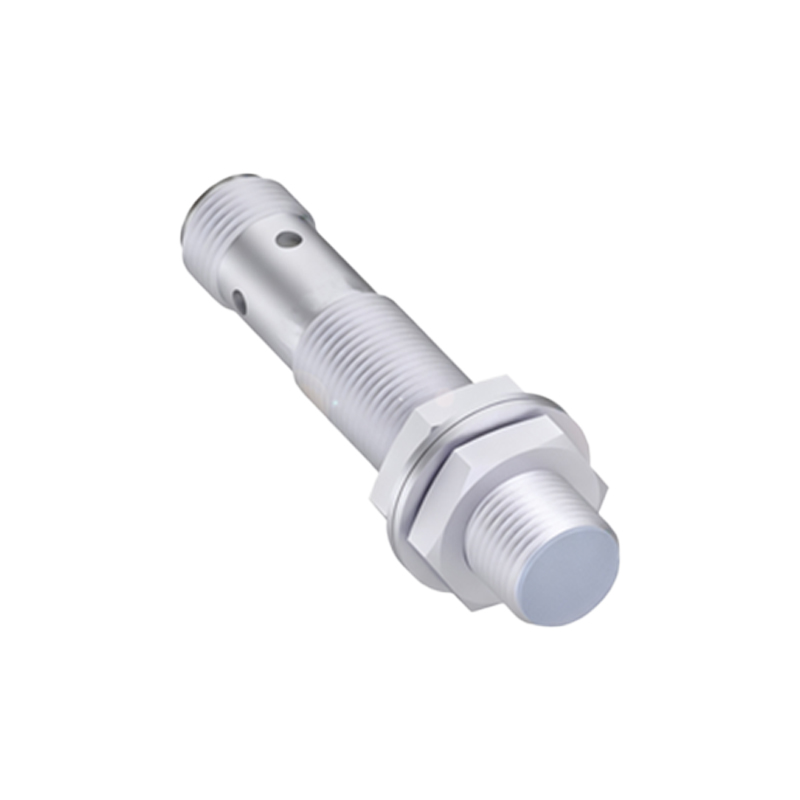
Interference from external sources can also disrupt sensor operation. Electromagnetic interference (EMI) from nearby motors, frequency converters, or power lines can induce noise in sensor circuits, causing false signals. Similarly, multiple sensors placed too close together may interfere with each other's fields, a phenomenon known as mutual interference. To combat this, use shielded cables, maintain adequate spacing between sensors (as per manufacturer guidelines), and install filters or ferrite cores on cables. Selecting sensors with noise immunity features and ensuring proper cable routing away from high-power equipment are additional best practices.
Incorrect sensor selection for the application is a common but avoidable cause of failure. Using a standard inductive sensor to detect non-metallic objects, for instance, will result in non-detection. Similarly, choosing a sensor with an insufficient sensing range or wrong output type (e.g., PNP vs. NPN) can lead to operational issues. Engineers must carefully assess application requirements—including target material, required sensing distance, environmental conditions, and electrical compatibility—before specification. Consulting sensor datasheets and manufacturer recommendations ensures a suitable match.
In summary, proximity sensor failures typically stem from environmental, electrical, mechanical, and operational factors. By understanding these causes and adopting preventive measures—such as proper selection, installation, maintenance, and protection—industries can enhance sensor longevity and system uptime. Regular training for personnel on sensor handling and troubleshooting further supports reliability. As automation evolves, leveraging smart sensors with